
Bringing a new dog into your home is an incredibly exciting time, filled with cuddles, playtime, and the beginning of a beautiful friendship. But amidst all the fun, there’s one challenge every dog owner faces: potty training. Figuring out How To Train Dogs To Pee Outside is a foundational step in your life together, and while it can seem daunting, it’s entirely achievable with the right approach. This isn’t just about preventing messes; it’s about teaching your dog a fundamental skill, building communication, and strengthening your bond.
The journey to a fully house-trained dog is built on three simple pillars: patience, consistency, and positive reinforcement. Forget any harsh methods you might have heard about; modern, effective training is all about rewarding the behavior you want to see. Think of yourself as a teacher, guiding your new companion to understand the rules of their new home. For a deeper dive into the basics, understanding how to potty train a house dog provides an excellent starting point.
Understanding the Fundamentals of Potty Training
Before you take your dog out for their first scheduled potty break, it’s crucial to get into the right mindset. Every dog, whether a tiny puppy or a mature rescue, learns at a different pace. There will be successes and there will be accidents. The key is to remain calm and consistent.
The Three Pillars: Patience, Consistency, and Positivity
Imagine learning a new language in a foreign country where you don’t understand the customs. That’s what your dog is experiencing!
- Patience: Your dog isn’t having accidents to spite you. They are simply learning. Getting frustrated will only confuse and frighten them, setting back your progress. Take deep breaths and remember this is a temporary phase.
- Consistency: This is the most critical element. Your dog thrives on routine. Feeding times, walk times, and potty breaks must be as predictable as possible. Everyone in the household needs to be on the same page, using the same commands and methods.
- Positive Reinforcement: This is the magic ingredient. When your dog pees outside, you need to make them feel like they just won the lottery. Lavish praise, excited tones, and high-value treats create a powerful positive association with going to the bathroom in the correct spot.
Essential Supplies for Success
Having the right tools on hand will make the process much smoother. You don’t need a lot, but these items are non-negotiable:
- A Standard Leash and Collar/Harness: You’ll want to keep your dog on a leash during potty breaks to guide them to the right spot and prevent them from getting distracted.
- High-Value Treats: These are the special, super-tasty rewards reserved only for successful potty breaks. Think small pieces of chicken, cheese, or specialized training bites for dogs.
- An Enzymatic Cleaner: Standard cleaners won’t cut it. You need an enzyme-based cleaner specifically designed to eliminate pet stains and odors. If your dog can still smell a previous accident spot, they will be drawn to use it again.
- A Crate (Optional but Recommended): A crate can be an invaluable tool, tapping into a dog’s natural instinct not to soil their den.
A Step-by-Step Guide on How to Train Dogs to Pee Outside
Ready to begin? This step-by-step method breaks down the process into simple, actionable tasks. By following this routine, you create a clear and predictable structure that your dog can easily understand and learn from.
Step 1: Establish a Consistent Routine
Dogs are creatures of habit. A predictable schedule helps them understand when they will have an opportunity to relieve themselves.
- First Thing in the Morning: The very first thing you do when you wake up is take your dog outside. Don’t check your phone or make coffee first. Their bladder is full after a night’s sleep.
- Last Thing at Night: Take them out right before you go to bed.
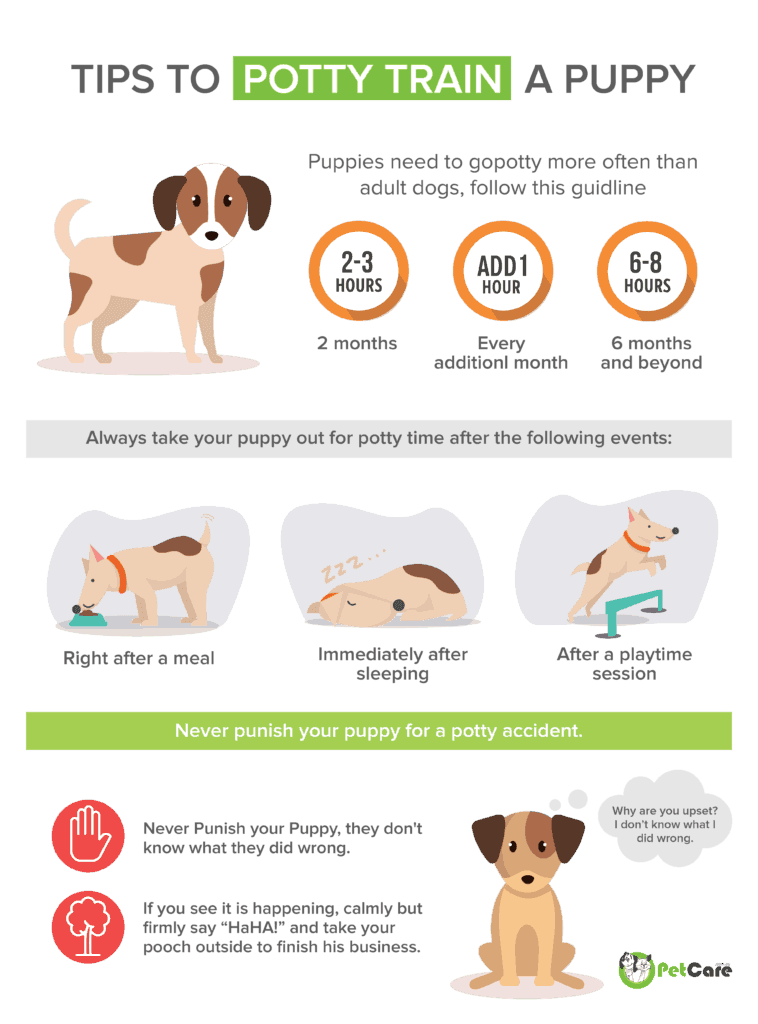
- After Meals: A dog’s digestive system is relatively quick. Take them out 15-30 minutes after every meal.
- After Naps: Just like us, dogs often need to go after waking up.
- After Playtime: Excitement can stimulate the bladder, so a trip outside after a fun play session is always a good idea.
- Every Hour (for Puppies): Young puppies have very small bladders. A good rule of thumb is that they can “hold it” for one hour per month of age, plus one. But to be safe, taking a young pup out every hour is a proactive way to prevent accidents.
Step 2: Choose a Designated Potty Spot
Decide on one specific area in your yard or a designated spot on your walk where you want your dog to do their business. When you take them out for a potty break, always lead them directly to this spot. The lingering scent from previous visits will encourage them to go there again. Stand still and be “boring” until they go. This teaches them that this specific trip is for business, not for play.
Step 3: Learn Your Dog’s “I Gotta Go” Signals
Your dog will try to tell you when they need to go out. You just need to learn their language. Common signals include:
- Circling and sniffing the ground intently.
- Whining or looking anxious.
- Going to the door or pawing at it.
- Barking at you.
- Suddenly stopping play and looking distracted.
The moment you see any of these signals, calmly say “Outside!” and immediately take them to their spot.
Step 4: Introduce a Potty Command
As your dog is in the act of peeing or pooping, start to introduce a command word. Say something simple like “Go potty” or “Do your business” in a calm, encouraging voice. Over time, your dog will associate this phrase with the action. This is incredibly useful for times when you need them to go quickly, like during bad weather or before a car ride.
Step 5: The Power of Positive Reinforcement
This is where you truly solidify the training. The instant your dog finishes peeing outside, you must celebrate.
- Use a happy, high-pitched voice: “Yes! Good potty! Good dog!”
- Immediately give them one of those high-value treats you’ve been saving.
- Give them lots of pets and affection.
The reward must happen within two seconds of them finishing for them to make the connection. This positive feedback loop is far more effective than any form of punishment. There are many great tips for potty training a dog that can help you refine this technique.
Handling the Inevitable Accidents
Accidents will happen. It’s a normal part of the process. How you react is what matters.
“Punishing a dog for an indoor accident, especially after the fact, is one of the most counterproductive things an owner can do,” notes canine behaviorist Dr. Sarah Miller. “It doesn’t teach the dog where to go; it only teaches them to fear you and to potentially hide when they need to relieve themselves, making training much harder.”
What to Do When an Accident Happens
- Don’t Punish: Never yell, scold, or (especially) rub your dog’s nose in their mess. This creates fear and anxiety, which can lead to more accidents.
- Interrupt if You Catch Them in the Act: If you see them start to pee inside, make a sudden but not scary noise—a firm “Oops!” or a clap—to interrupt them. Then, immediately scoop them up and rush them to their outdoor potty spot. If they finish outside, praise them lavishly.
- Clean Thoroughly with an Enzymatic Cleaner: This is vital. If you just use soap and water, you’ll leave behind odor molecules that humans can’t smell, but your dog can. These lingering smells act like a beacon, telling your dog, “This is an acceptable bathroom spot.”
Common Potty Training Questions
Navigating the world of potty training can bring up a lot of questions. Here are some of the most common queries from dog owners.
Should I Use Pee Pads?
Pee pads can be a double-edged sword. While they can protect your floors, they can also teach your dog that it’s okay to go to the bathroom inside the house. If you must use them (for example, if you live in a high-rise apartment), have a clear plan to phase them out by gradually moving the pad closer and closer to the door, and eventually outside.
How long does it take to potty train a dog?
There is no magic number. It can take anywhere from a few weeks to several months. Factors like the dog’s age, breed, and past experiences all play a role. Consistency is what speeds up the process. Some people wonder what are the easiest dogs to potty train, but even with an “easy” breed, owner consistency is the deciding factor.
Why does my dog pee inside right after we come back in?
This is a common and frustrating issue! It usually means the dog was too distracted to fully relieve themselves outside. The yard is full of exciting smells, sounds, and sights. To combat this, make potty breaks strictly business. Take them to their spot on a leash and don’t allow for play or exploration until after they’ve done their business.
Frequently Asked Questions (FAQ)
Q: At what age can I start potty training my puppy?
A: You can and should start potty training the moment your puppy comes home, which is typically around 8 to 12 weeks of age. Their ability to control their bladder is still developing, so be prepared for frequent trips outside.
Q: How do I train an older dog to pee outside?
A: The process is largely the same as for a puppy: establish a routine, use positive reinforcement, and manage their environment. With an older dog, you may also be working to undo previous habits, so extra patience is required. Start as if they are a brand new puppy with no prior training.
Q: Should I limit my dog’s water intake?
A: No, you should never limit your dog’s access to fresh water unless specifically advised by your veterinarian. Instead, manage their potty schedule by taking them out frequently, especially after they drink a lot. You can, however, pick up the water bowl an hour or two before bedtime.
Q: Can crate training help with potty training?
A: Absolutely. Crate training is a highly effective tool because it uses a dog’s natural instinct not to soil their den. The crate should be just large enough for them to stand up and turn around in. It helps teach them to hold their bladder and is a safe space for them when you can’t supervise them directly.
Q: What if my dog is having accidents in their crate?
A: This could mean a few things: the crate is too big (allowing them to use one corner as a bathroom), they are being left in the crate for too long, or there could be an underlying medical issue. Consult your vet to rule out any health problems.
Your Journey to Success
Learning how to train dogs to pee outside is a rite of passage for every dog owner. It’s a process that teaches you about your dog’s needs and rhythms while teaching them about the rules of your world. Remember that every accident is a learning opportunity, not a failure. Stay consistent with your schedule, be generous with your praise, and maintain your patience. Before you know it, you’ll have a confident, well-behaved companion who knows exactly where to do their business, and the bond between you will be that much stronger. The journey of training dogs to pee outside is well worth the effort.
