
It’s a heartbreaking situation for any dog owner: your beloved pet, who usually showers you with affection, suddenly exhibits aggressive behavior and bites. This can be frightening and confusing, raising concerns about your dog’s well-being and safety. However, understanding why dogs bite and learning effective training methods can prevent and address this issue. This guide will delve into the root causes of biting, offer practical training techniques, and provide insights from experts to help you foster a safe and harmonious relationship with your canine companion.
Understanding Why Dogs Bite
Bite inhibition, the ability to control the force of a bite, is a crucial skill dogs learn. Puppies learn this through play with their littermates and mother. If a puppy bites too hard, its playmate will yelp and withdraw, teaching the biter to be gentler. Without this early learning, or if a dog experiences negative interactions, biting can become a serious problem. Several factors contribute to a dog’s tendency to bite:
Fear and Anxiety
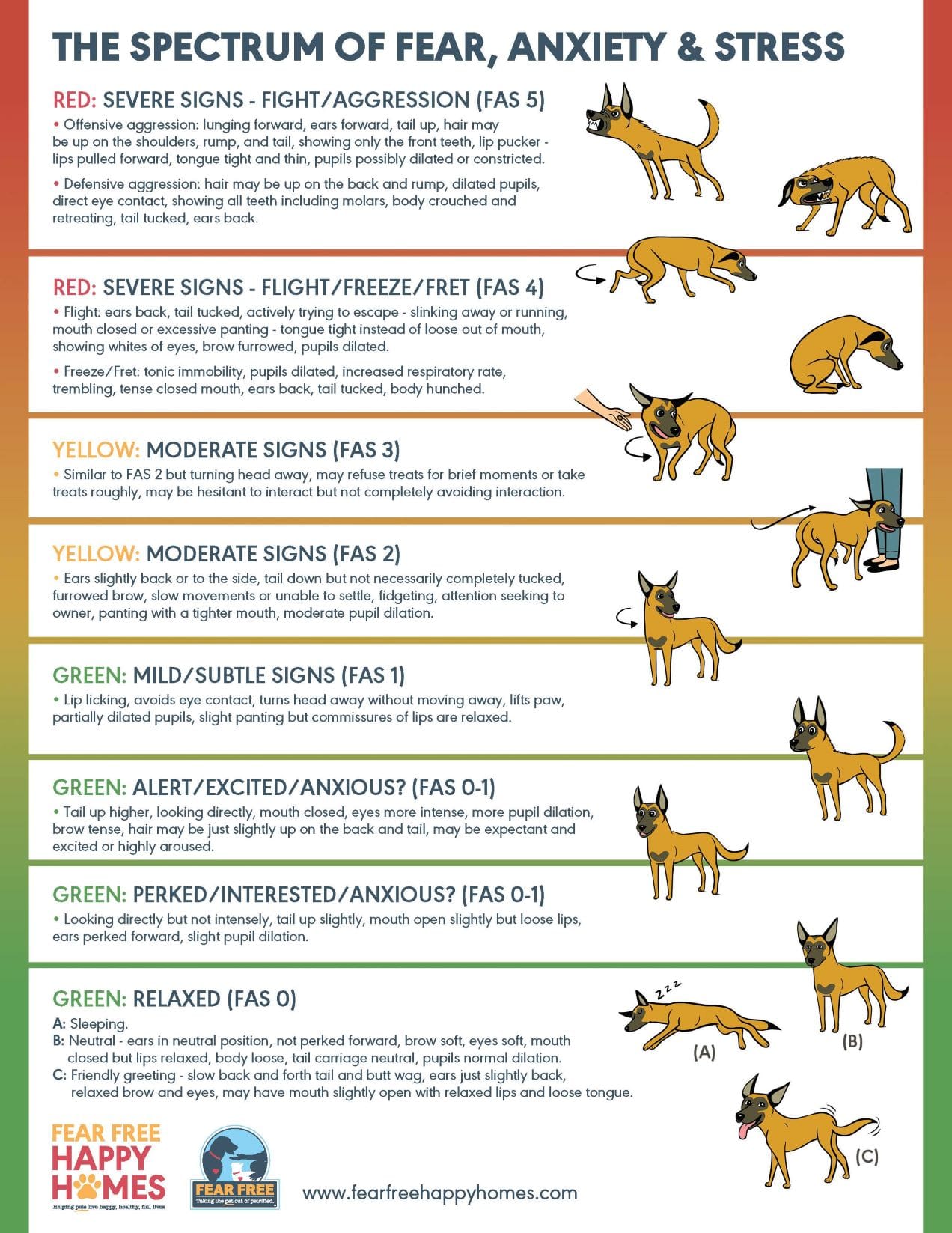
Fear is one of the most common reasons dogs bite. A dog that feels threatened, cornered, or overwhelmed may bite as a defensive mechanism. This can stem from past trauma, lack of socialization, or being in an unfamiliar environment. A fearful dog might display warning signs like lip licking, yawning, or whale eye before resorting to a bite.
Pain or Discomfort
A dog in pain might snap or bite if touched in a sensitive area, even by their loving owner. This is especially true for dogs with underlying medical conditions, arthritis, or injuries. If your dog suddenly becomes aggressive, a veterinary check-up is essential to rule out any pain-related issues.
Territoriality and Protection
Some dogs are naturally protective of their territory, family, or resources (like food or toys). They may perceive an approaching stranger or another animal as a threat and react with aggression to defend what they consider theirs.
Predatory Drive
Certain breeds have a higher prey drive, meaning they are instinctively inclined to chase and “catch” small, fast-moving things. This can manifest as nipping or biting at children running, cyclists, or even small pets if not properly managed and trained.
Frustration and Overstimulation
Dogs can become frustrated or overstimulated in certain situations, such as during intense play or when they are unable to access something they want. This can lead to nipping or biting out of frustration.
Lack of Socialization
Dogs that haven’t been properly socialized during their critical developmental periods (typically between 3 and 16 weeks) may not have learned how to interact appropriately with people and other animals. This can lead to fear, anxiety, and subsequent biting when they encounter new situations.
Effective Training Strategies to Prevent and Address Biting
Training is paramount in preventing and managing biting behavior. The approach will vary depending on the dog’s age, breed, and the underlying cause of the biting.
Early Socialization for Puppies
The most effective way to prevent biting is through early and positive socialization. Expose your puppy to a wide variety of people, places, sounds, and other vaccinated, well-behaved dogs in a controlled and positive manner. This helps them develop into confident, well-adjusted adults.
Bite Inhibition Training
For puppies, continue to reinforce bite inhibition. If your puppy nips too hard during play, let out a high-pitched “Ouch!” and briefly withdraw your attention. This teaches them to moderate their bite pressure. If the nipping persists, a short, 20-second time-out can be effective.
Positive Reinforcement for Good Behavior
Focus on rewarding your dog for calm, non-aggressive behavior. Use treats, praise, and affection to reinforce desired actions. When your dog is in a potentially triggering situation and remains calm, reward them generously. This helps them associate positive experiences with those scenarios.
Desensitization and Counter-Conditioning
For dogs that bite out of fear or anxiety, desensitization and counter-conditioning are key. Gradually expose your dog to the trigger at a distance where they feel comfortable and do not react. Pair the presence of the trigger with high-value treats or positive experiences. Slowly decrease the distance over time as your dog shows increasing comfort.
“The goal isn’t to eliminate a dog’s fear, but to change their emotional response to the trigger from negative to positive.” – Dr. Sarah Miller, Canine Behaviorist
For example, if your dog is fearful of strangers, start by having a stranger stand across the street and toss treats. As your dog becomes more comfortable, the stranger can stand closer, eventually engaging in short, calm interactions.
Managing the Environment
While you are working on training, it’s crucial to manage your dog’s environment to prevent biting incidents. This might include:
- Leash control: Keep your dog on a leash in public places and potentially in your home if there are visitors.
- Crate training: A crate can provide a safe den for your dog and prevent unwanted interactions when you can’t supervise.
- Baby gates: Use gates to create safe zones for children or to separate dogs.
- Muzzles: For dogs with a history of biting, a basket muzzle can be a vital safety tool when in public, allowing them to pant and drink while preventing bites. It should always be introduced positively.
Addressing Resource Guarding
If your dog bites to protect food, toys, or other valued items, you need to address resource guarding. This involves teaching your dog that people approaching their resources are a good thing, often by trading them for something even better. Never try to forcibly take a resource from a dog that is guarding.
When to Seek Professional Help
Some biting issues are complex and may require the expertise of a professional. Don’t hesitate to consult:
- Your Veterinarian: To rule out any underlying medical conditions that might be contributing to the biting.
- A Certified Professional Dog Trainer (CPDT-KA or CPDT-KSA): For guidance on basic obedience and behavior modification.
- A Certified Applied Animal Behaviorist (CAAB) or a Veterinary Behaviorist (DACVB): For severe aggression, fear-based biting, or complex behavioral issues. These professionals have advanced degrees and specialized training in animal behavior.
Recognizing Warning Signs
Learning to read your dog’s body language is critical. Subtle signs of stress or discomfort can indicate an impending bite:
- Lip licking
- Yawning when not tired
- Whale eye (showing the whites of the eyes)
- Tense body posture
- Stiff tail
- Ears pinned back
- Growling or snarling (these are warnings, not aggression itself)
If you notice these signs, it’s your cue to calmly de-escalate the situation, increase distance, or remove your dog from the environment.
The Role of “Dog Care Story” in Preventing Bites
At Dog Care Story, we believe that informed owners are the first line of defense against biting incidents. Our commitment is to provide comprehensive, empathetic, and practical advice that empowers you to understand your dog better and build a stronger bond. We emphasize positive, science-based training methods and advocate for understanding the root causes of behavior rather than resorting to punishment. By fostering a community where knowledge about canine behavior is shared and celebrated, we aim to reduce the number of dogs that end up in shelters due to preventable behavioral issues like biting.
Frequently Asked Questions About Dog Biting
Q1: Is it normal for puppies to nip and bite?
A1: Yes, puppies explore the world with their mouths and nip during play. The key is to teach them bite inhibition so they learn to control the pressure of their bites.
Q2: My dog growled at me, should I punish them?
A2: Never punish a growl. A growl is a warning that your dog is uncomfortable or fearful. Punishing it can teach the dog not to warn you, leading to a bite without any prior indication. Instead, try to understand what made your dog uncomfortable and remove the trigger.
Q3: How long does it take to train a dog not to bite?
A3: The duration varies greatly depending on the dog’s age, history, the severity of the issue, and the consistency of training. For mild puppy nipping, it can take a few weeks. For deeper-seated fear or aggression issues, it can take months or even longer, often with professional guidance.
Q4: Can a dog that has bitten be rehabilitated?
A4: Yes, in many cases, dogs that have bitten can be rehabilitated, especially with early intervention and professional help. The focus is on managing the triggers, modifying the dog’s emotional response, and ensuring safety.
Q5: What are the safest ways to introduce a new dog to children?
A5: Always supervise interactions closely. Teach children how to interact respectfully with dogs, and ensure the dog has a safe space to retreat to. Introduce them gradually and positively, focusing on calm behavior from both the child and the dog.
Q6: Are some breeds more prone to biting than others?
A6: While certain breeds may have genetic predispositions for traits like prey drive or protectiveness, any dog can bite if provoked, scared, or in pain. Training, socialization, and responsible ownership are more significant factors than breed alone.
Conclusion: Building Trust, One Wagging Tail at a Time
Understanding how to train dogs not to bite is an ongoing journey that requires patience, consistency, and a deep commitment to your dog’s well-being. By addressing the root causes of biting, implementing positive training techniques, and knowing when to seek professional help, you can transform fear or aggression into trust and companionship. At Dog Care Story, we are dedicated to supporting you every step of the way, providing the knowledge and resources needed to ensure your dog is a happy, safe, and cherished member of your family. Remember, every well-behaved dog is a story of good training and a loving owner.
