
Teaching your dog to walk calmly by your side without a leash is a rewarding experience, fostering a deeper bond and offering more freedom on your adventures. This skill, often referred to as off-leash heeling, requires patience, consistency, and a solid understanding of your dog’s training needs. It’s crucial to remember that not all dogs are suited for off-leash walking due to breed tendencies, temperament, or environmental factors. Always prioritize your dog’s safety and the safety of others. Before you even consider letting your dog off-leash, ensure they have a reliable recall and understand basic obedience commands. A strong foundation in training a dog to walk on a leash without pulling is paramount.
Understanding Off-Leash Walking and Safety First
Off-leash walking isn’t just about removing the leash; it’s about developing a communication system where your dog remains focused on you and responsive to your cues, even with distractions. The decision to go off-leash should be based on your dog’s temperament, breed characteristics, and the specific environment. High-prey-drive breeds or dogs with a history of bolting may not be good candidates for complete off-leash freedom in unsecured areas.
Key Safety Considerations:
- Recall is Non-Negotiable: Your dog must come to you immediately when called, every single time. If their recall isn’t 100%, off-leash walking is unsafe.
- Environmental Assessment: Always be aware of your surroundings. Are there cars, other dogs, wildlife, or hazards? Is the area legally permitted for off-leash activity?
- Dog’s Temperament: Is your dog confident and secure, or fearful and easily spooked? A fearful dog might run or become reactive when off-leash.
- Legality: Many public spaces have leash laws. Always respect and adhere to local regulations.
A well-trained dog that understands cues like “sit,” “stay,” and “leave it” is a prerequisite for safe off-leash excursions. If you’re struggling with basic obedience, seeking professional help from a trainer can make a significant difference. For those in Arkansas, resources like dog training Jonesboro AR can provide local expertise.
Building the Foundation: Reliable Recall
The cornerstone of off-leash reliability is a rock-solid recall. This is the command that tells your dog to come back to you. It needs to be practiced constantly in various environments and with increasing distractions.
Steps to a Reliable Recall:
- Start Indoors: With your dog on a long leash, call their name followed by “Come!” When they turn towards you, praise them enthusiastically. Once they reach you, reward with a high-value treat and lots of affection.
- Introduce a Cue Word: Use a consistent, upbeat cue word (e.g., “Here,” “Come”). Avoid using it when you’re angry or frustrated.
- Long Leash Practice: Move to a secure, fenced yard or an empty park. Use a long training leash (15-30 feet) to give them a sense of freedom while maintaining control. Call them, and if they hesitate, give a gentle tug on the leash to encourage them.
- Add Distractions Gradually: Once reliable in a quiet area, introduce mild distractions – another person walking by, a distant noise. Gradually increase the difficulty.
- The “Guess What?” Game: Have a friend hold your dog. You hide. Call your dog. When they find you, throw a party! This makes coming to you a fun surprise.
- Never Punish for Coming: Even if your dog took a long time to come, always reward them when they finally do. You want them to associate coming to you with positive experiences. If you punish them, they’ll learn to avoid coming.
- Practice Recall Games: Games like “Hide and Seek” or “Tug-of-War” where the game ends with them coming to you reinforce the positive association.
Mastering the Art of Loose-Leash Walking
Before you can consider off-leash, your dog needs to walk politely beside you on a leash. This means they don’t pull, lunge, or lag behind. How to walk my dog without pulling is a fundamental skill that translates directly to off-leash control.
Techniques for Loose-Leash Walking:
- Reward Position: Any time your dog is in the correct heel position (typically by your left side, attentive to you), mark the behavior with a clicker or a verbal marker (“Yes!”) and reward them with a treat.
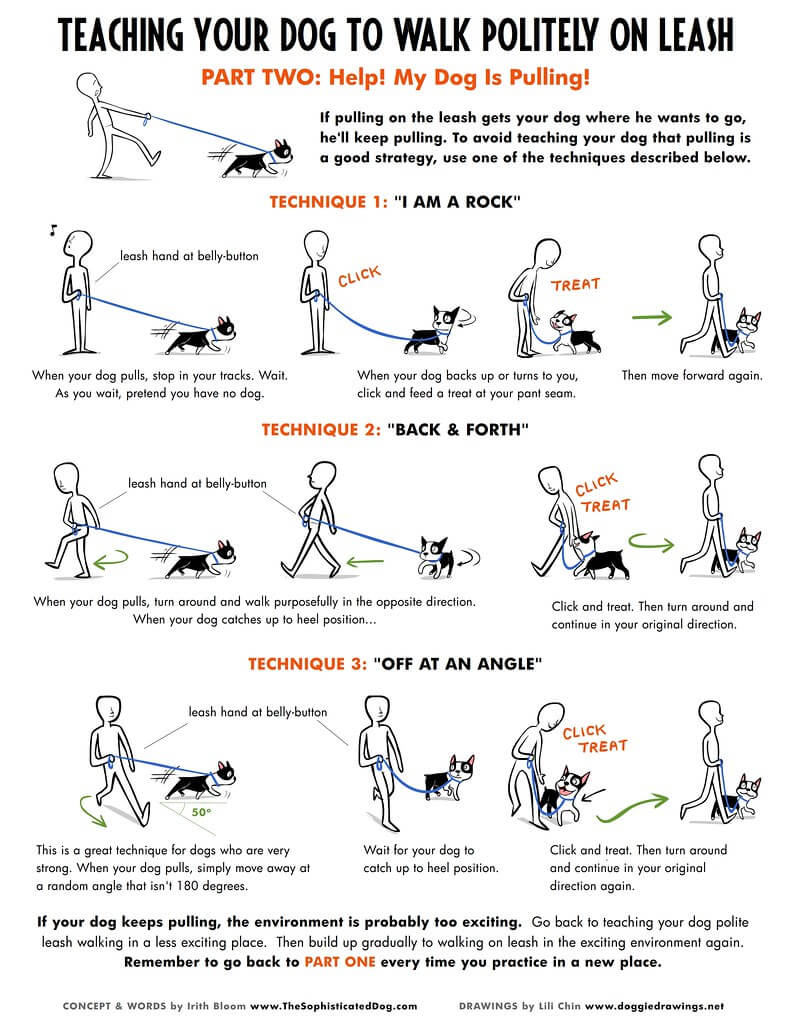
- Stop When They Pull: If your dog pulls ahead, immediately stop walking. Wait until the leash slackens, even slightly, before resuming. This teaches them that pulling stops the fun.
- Change Direction: If your dog pulls forward, simply turn and walk in the opposite direction. They’ll learn to pay attention to where you’re going.
- Use High-Value Treats: Especially in the beginning, use treats that your dog absolutely loves. This makes the reward for staying by your side more enticing than exploring ahead.
- Leash Pressure Sensitivity: Teach your dog to yield to leash pressure. A gentle pressure on the leash should cue them to move closer to you.
Many owners find that specific equipment can aid in this process. While controversial, some trainers utilize electronic training collars for dogs for specific applications, primarily for recall or boundary training, when used correctly and ethically by experienced handlers. However, positive reinforcement methods are generally preferred and highly effective for most dogs.
Gradual Transition to Off-Leash
Once your dog reliably walks on a loose leash indoors and in a controlled outdoor environment, you can begin the transition to off-leash.
Phased Approach:
- Secure, Enclosed Areas Only: Start in a securely fenced yard or a designated dog park during a quiet time. This minimizes the risk of escape or unwanted interactions.
- Long Line Practice (Again): Use a 30-50 foot long line. This gives your dog more freedom to explore while you still have a safety line. Practice the loose-leash walking from step 2. Reward heavily for staying close and for not pulling.
- Short Off-Leash Intervals: In the secure area, practice short bursts of off-leash walking. Start with just a few steps, then gradually increase the duration. Use your recall cue frequently and reward.
- Introduce Mild Distractions: While still in the secure area, have a family member walk by at a distance, or toss a toy. See how your dog reacts and reward them for staying focused on you.
- Increase Distance and Duration: As your dog becomes more reliable, increase the length of your walks and the time they spend off-leash.
- Vary Environments: Move to slightly less controlled but still safe areas, like a quiet trail early in the morning. Always be vigilant.
Remember the “3 Ds” of Dog Training: Duration, Distance, and Distraction. You must increase these very gradually, mastering each level before moving to the next.
Advanced Training and Maintaining Skills
Even after your dog seems proficient, ongoing practice and reinforcement are essential.
- Proofing: Continue to practice in various locations with increasing levels of distraction. This “proofs” the training, making it reliable in the real world.
- Maintain High-Value Rewards: Keep using exciting rewards for successful off-leash walking and recall. This could be special treats, a favorite toy, or a quick game of fetch.
- Read Your Dog: Pay attention to your dog’s body language. If they seem stressed, distracted, or overwhelmed, it might be time to put the leash back on or move to a less stimulating environment.
- Consider Service Dog Training Principles: While not all dogs are service dogs, the rigorous training involved in programs like how are service dogs trained emphasizes reliability and focus in highly distracting environments. The principles of patience, consistency, and positive reinforcement are universal.
Common Challenges and Solutions
- Dog Ignores You: Likely a lack of sufficient training in controlled environments, or the distractions are too high. Go back to basics in a quieter setting.
- Dog Chases Wildlife/Squirrels: This is instinctual for many breeds. A strong recall and teaching a solid “leave it” command are crucial. If prey drive is very high, off-leash walking may not be suitable for all environments.
- Dog is Fearful/Anxious Off-Leash: This requires building confidence. Work on desensitization and counter-conditioning in controlled settings. Never force a fearful dog into off-leash situations.
Conclusion: The Journey to Off-Leash Freedom
Training your dog to walk without a leash is a journey that requires dedication, understanding, and a deep respect for your dog’s capabilities and limitations. By building a strong foundation of recall and loose-leash walking, gradually introducing off-leash freedom in safe environments, and consistently reinforcing good behavior, you can enjoy the unparalleled freedom and connection that comes with reliable off-leash companionship. Remember, safety and your dog’s well-being are always the top priorities. Happy trails!
