
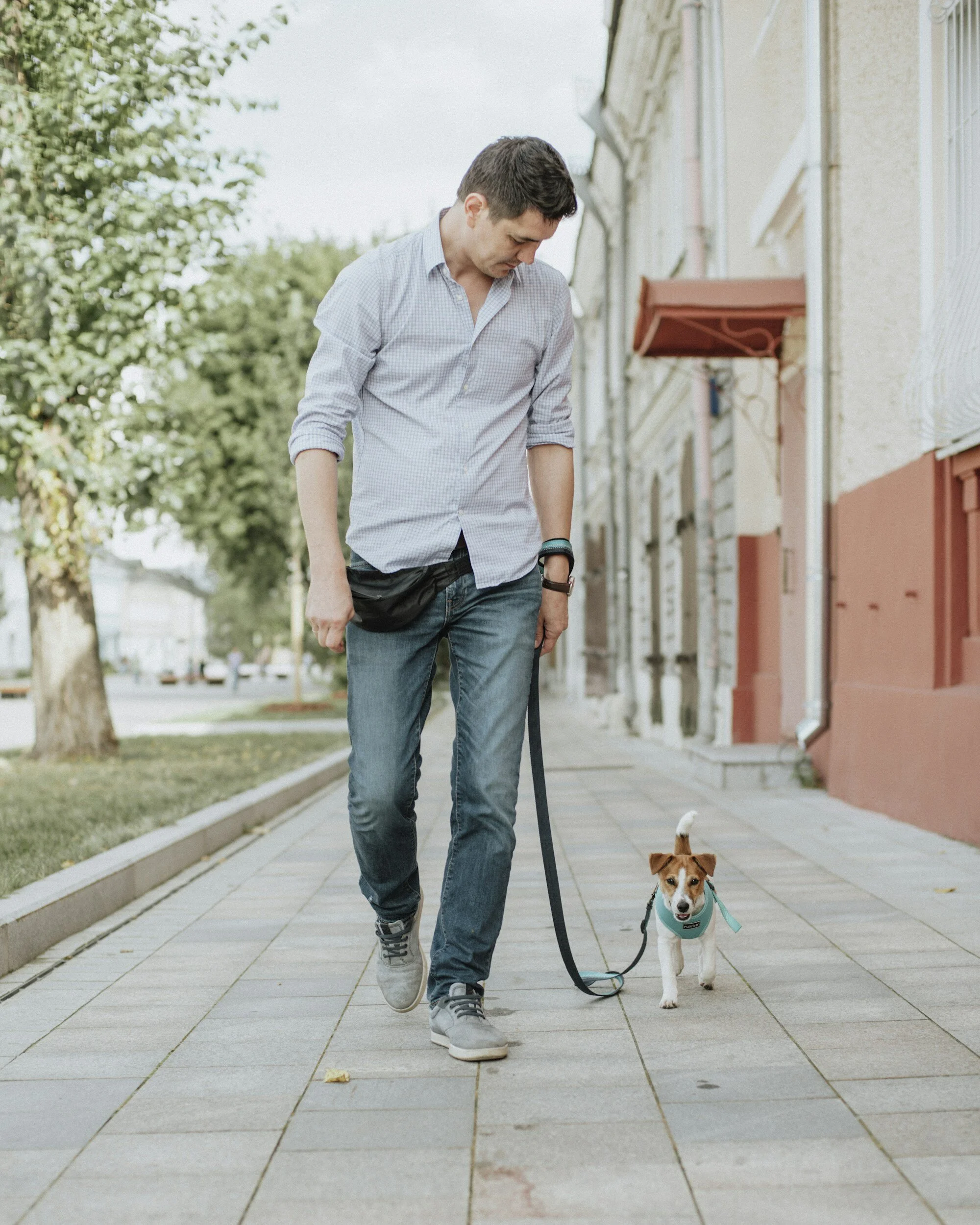
Taking your dog for a walk should be a highlight of your day, a chance to bond and enjoy the outdoors together. However, this simple pleasure can quickly turn into a frustrating tug-of-war if your dog pulls relentlessly on the leash. Fortunately, with patience and the right techniques, any dog can learn the essential skill of loose leash walking. This guide will delve into why dogs pull, how they learn, and provide a step-by-step approach to transforming your walks into a peaceful, enjoyable experience for both you and your canine companion.
Why Does Your Dog Pull on Leash?
Contrary to popular belief, a dog pulling on the leash is not a sign of dominance or malice. The reasons are far simpler and stem from a lack of training and understanding of our expectations.
1. Insufficient Exercise
Many dogs, especially those of active breeds, are not provided with enough physical and mental stimulation. A short walk may not be enough to expend their pent-up energy. Expecting a dog bursting with energy to walk calmly by your side is unrealistic. Ensure your dog has ample opportunities for exercise, whether through running, playing fetch, or visiting a dog park, before attempting loose leash training. Responsible dog ownership includes meeting your dog’s exercise needs.
2. Humans Are Slow
Naturally, most dogs move at a faster pace than humans. To your dog, you might feel like the slow one on the walk. It requires conscious effort from your dog to slow down and match your pace, a task that can be challenging for them.
3. The Allure of the Outside World
For dogs, the outdoor environment is a sensory wonderland. With scent receptors far more advanced than ours, every patch of grass or interesting smell is a significant attraction. If pulling has previously led them to these desirable scents, they’ve already been rewarded for that behavior. It takes time and consistent positive reinforcement to redirect their focus from environmental stimuli back to you.
Understanding How Dogs Learn
Dogs learn through a combination of positive reinforcement and, less ideally, punishment. As positive trainers, our focus is on teaching dogs what we want them to do, rather than punishing them for doing what we don’t want. This approach builds trust and a stronger bond.
Training effectiveness is also highly dependent on the environment. A dog that can easily “sit” indoors might struggle in a crowded park. Therefore, it’s crucial to start training in low-distraction areas, like inside your home, and gradually increase the difficulty as your dog masters the skills. Punishing a dog for failing in an overwhelming situation is unfair and counterproductive.
Essential Pre-Leash Walking Skills
Before embarking on loose leash training, teaching your dog a few foundational skills will significantly improve your success rate and save you frustration.
1. Sit
A basic obedience command, “sit” is invaluable for managing transitions during walks and can serve as a brief “time-out” in distracting environments. Mastering this will help your dog learn impulse control. Learn how to teach your dog to sit here.
2. Focus
The “focus” command teaches your dog to check in with you, strengthening your communication and bond. This is critical for redirecting their attention, especially in distracting settings. Rewarding eye contact with you makes looking at you a positive experience. Discover how to teach your dog to focus.
3. Leave It
This vital command not only prevents your dog from ingesting potentially harmful items found on the ground but also teaches them to disengage from enticing distractions. A solid “leave it” empowers you to guide your dog’s behavior without physical restraint. Understand the importance of “leave it” here.
Heeling vs. Loose Leash Walking
While often used interchangeably, “heeling” and “loose leash walking” are distinct skills with different expectations.
Heeling
Heeling involves the dog walking precisely at your side, maintaining your pace without falling behind or moving ahead. This is a more structured exercise, ideal for situations requiring strict control, such as busy sidewalks. It teaches clear boundaries and expectations. While essential for advanced training, it’s not intended for constant use, as it can be too restrictive for a dog’s natural inclination to explore.
Loose Leash Walking
Loose leash walking allows your dog more freedom to explore and sniff within the length of a standard leash (a 6 ft leash is recommended). The key is that there is no tension on the leash. Your dog can investigate interesting scents, but if they pull, they are gently guided back to a walking pace. This method ensures walks are enjoyable for both you and your dog, allowing them to “be a dog.”
Training for Heeling and Loose Leash Walking
The journey to a well-behaved walking companion requires patience and consistency. Always start in a low-distraction environment, like your home, and gradually increase the challenge.
For Heeling:
- Preparation: Begin with your dog sitting beside you on a leash. Have treats ready in your non-leash hand.
- Initiation: Use a verbal cue like “Let’s go!” and lure your dog forward with a treat. Take a few steps, then reward.
- Introduce “Heel”: Once your dog understands the movement, start saying “heel” as you begin walking. Gradually increase the number of steps.
- Progress Outdoors: Move to your backyard, then to quieter streets, always rewarding successful steps.
- Fade the Lure: Transition from luring with treats to rewarding your dog for staying in position and making eye contact.
- Manage Pulling: If your dog pulls, use a verbal cue like “leave it” or gently guide them back with leash pressure. If they forge ahead, change direction.
For Loose Leash Walking:
- Transition: Once your dog has a solid grasp of heeling, introduce loose leash walking. Use a cue like “Ok!” to indicate freedom.
- Allow Sniffing: Permit your dog to sniff, but use their name and a cue like “Let’s go” if a sniff lasts too long.
- Consistency is Key: Ensure your dog understands the difference between “heel” and “Ok” cues.
- Reward Check-ins: Lavishly reward your dog for looking at you and checking in.
- Manage Distractions: If distractions arise, create distance or practice focus exercises. If a particular spot is too enticing, use “heel” to guide them past it.
Remember to keep training sessions short and positive. Celebrate successes, and be patient with setbacks. With dedication, you and your dog can look forward to many enjoyable walks together. Consider consulting a professional dog behaviorist trainer near you if you encounter persistent challenges.
