
There’s a unique bond forged in the quiet woods between a hunter and their canine partner. If you’ve ever experienced the sinking feeling of losing a trail, you understand the immense value of a skilled tracking dog. Learning how to train a dog to track deer is more than just a hobby; it’s an investment in ethical hunting, ensuring a swift and humane recovery of your game. This process transforms your dog’s natural instincts into a focused, reliable skill set that will serve you for years to come.
This comprehensive guide will walk you through the essential steps, from selecting the right canine candidate to laying advanced blood trails. While the journey requires patience and consistency, the reward of watching your dog confidently lock onto a scent and lead you to a successful recovery is unparalleled. Understanding the nuances of this process is similar to learning the specifics of training a deer tracking dog, as both require dedication and a deep understanding of canine behavior.
Why Train a Dog for Deer Recovery?
Before diving into the “how,” let’s solidify the “why.” A trained tracking dog is an invaluable asset for any serious deer hunter. Their primary role is to locate wounded or downed game, a task that can be incredibly difficult for humans, especially in dense terrain or low-light conditions.
The benefits are clear:
- Ethical Hunting: A tracking dog dramatically increases your chances of recovering an animal, preventing needless waste and suffering. It’s a hunter’s responsibility to make every effort to find their game, and a dog is the best tool for the job.
- Increased Success Rate: Even a perfectly placed shot can result in a deer traveling a significant distance. A dog’s nose is thousands of times more sensitive than ours, allowing them to follow faint scent trails over challenging landscapes.
- Peace of Mind: Knowing you have a reliable partner to help in recovery situations adds confidence to every hunt. It reduces the stress and uncertainty that comes with tracking a difficult trail.
Choosing the Right Dog for the Job
While many dogs can learn to track, certain breeds possess innate abilities that give them a head start. Breeds like the Bavarian Mountain Hound, Dachshund (Teckel), Labrador Retriever, and various Beagle and Bloodhound crosses are renowned for their scenting prowess.
However, breed isn’t everything. Look for these key traits in a potential tracking candidate:
- Strong Prey Drive: The dog should have a natural interest in pursuing game scents.
- High Intelligence and Trainability: An eagerness to learn and please is crucial for mastering commands and staying focused.
- Calm Temperament: The dog must remain calm and focused on the trail, ignoring other distracting sights and smells in the woods.
- Confidence: A tracking dog needs to confidently navigate thick brush, cross creeks, and handle challenging environments without hesitation.
Essential Equipment for Deer Tracking Training
You don’t need a lot of expensive gear to get started, but having the right tools will make the training process smoother and more effective.
- Tracking Harness: A well-fitting harness is essential. It should allow for free movement and prevent choking or tangling, unlike a standard collar. The harness becomes a cue for the dog that it’s “time to work.”
- Long Lead or Leash: A 20-30 foot lead gives the dog enough room to work the trail naturally while allowing you to maintain control. Avoid retractable leashes, as they don’t provide consistent tension.
- Scent Source: Initially, you’ll use deer hides, legs, or liver as a drag. As you advance, you’ll need real deer blood. You can often get these from a butcher or fellow hunters. For a more detailed breakdown, understanding what is involved with deer blood for dog training is a crucial next step.
- High-Value Rewards: Use special treats that your dog absolutely loves. Small pieces of hot dog, cheese, or boiled chicken work well. These are reserved only for successful tracking sessions.
 A focused Labrador Retriever wearing a tracking harness, its nose to the ground, following a scent trail through a sun-dappled forest.
Step-by-Step Guide: How to Train Dog to Track Deer
Training is a marathon, not a sprint. The key is to build a strong foundation and progress slowly, always ending on a positive note. These steps are designed to be built upon one another, ensuring your dog understands and enjoys the game.
Phase 1: Building a Scent Foundation (Puppies and Beginners)
The goal here is to introduce the concept of the game: “find the scent, get the reward.”
- Scent Introduction: Start indoors or in your backyard. Rub a piece of deer liver or a small piece of hide on the floor in a short, straight line of about 10-15 feet.
- The “Find It” Game: Place a high-value treat at the end of the scent line. Bring your dog to the start of the line, point to the scent, and give a command like “Find it!” or “Track!”
- Reward Enthusiastically: When your dog follows the scent and finds the treat, shower them with praise and affection. Make it the most exciting game they’ve ever played.
- Keep it Short: For puppies and young dogs, keep sessions to just 5-10 minutes once or twice a day to maintain their excitement and focus.
Phase 2: Introducing the Mock Trail
Once your dog understands the basic game, you can move on to more realistic scenarios. This is where you start mimicking a real blood trail.
- Create a Drag: Attach a deer hide or liver to a rope. Drag it in a straight line for about 30-40 yards in an open field or light woods.
- Add Scent Markers: At the beginning of the trail and every few feet, place a small drop of deer blood to help your dog stay on track.
- Gear Up: Put the tracking harness and long lead on your dog. This helps them differentiate between a casual walk and work time.
- Start the Track: Lead your dog to the start of the trail, give your command, and let them work. Your job is to hold the lead and stay quiet. Don’t guide them; let their nose do the work.
- The Grand Prize: Place a significant reward at the end of the trail, like a deer leg they can chew on or a pile of their favorite treats. Celebrate the find with immense enthusiasm. The overall process of how to train deer tracking dogs relies heavily on this positive reinforcement loop.
Phase 3: Increasing the Difficulty
As your dog becomes more proficient, you need to make the challenges progressively harder to build their skills and confidence.
- Age the Trail: Instead of letting your dog track immediately, wait 30-60 minutes after you lay the trail. This teaches them to follow older, fainter scents. Gradually increase the aging time to several hours.
- Introduce Turns: Start adding gentle curves and, eventually, sharp 90-degree turns to your mock trails. Place a scent marker right after the turn to help guide them initially.
- Vary the Terrain: Move your training sessions from open fields to dense woods, across creeks, and over hills. This prepares your dog for the unpredictable nature of a real track.
- Reduce Blood Frequency: Gradually decrease the number of blood drops you use, forcing the dog to rely more on the fainter scent from the drag itself.
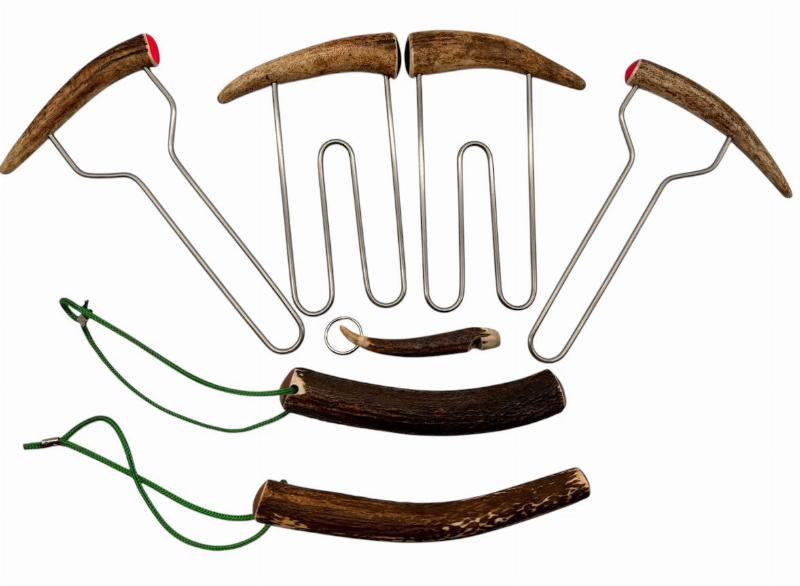 Essential deer tracking dog training equipment laid out on a rustic wooden background, including a tracking harness, a long lead, a bottle of deer scent, and high-value treats.
Common Mistakes to Avoid in Training
Even with the best intentions, it’s easy to make mistakes that can hinder your dog’s progress. Being aware of these common pitfalls can save you a lot of frustration.
According to Dr. Samuel Finch, a canine behaviorist specializing in working breeds, “The most common error handlers make is over-guiding the dog. You must learn to trust your dog’s nose. Your role is to be an observer and manager of the lead, not a director. Let the dog solve the puzzle.”
- Training for Too Long: Keep sessions short and fun. Ending a session while your dog is still excited and successful builds their desire for the next one. Quitting after they’re tired or frustrated creates a negative association.
- Helping Too Much: If your dog loses the trail, resist the urge to immediately point them in the right direction. Let them work it out. Circling is a natural behavior for a dog trying to reacquire a scent.
- Being Impatient: Every dog learns at a different pace. Don’t compare your dog’s progress to others. Celebrate small victories and focus on consistent, positive training.
- Using a Contaminated Scent: Always use fresh or properly stored deer blood and hides. Store them in the freezer and thaw them before use. Avoid touching the scent source with your hands.
For those who feel overwhelmed or want to accelerate the process, seeking professional guidance can be a great option. Many regions have specialists, and a search for something like dog training fort mill sc could connect you with local experts who can provide hands-on instruction.
Frequently Asked Questions (FAQ)
1. What is the best age to start training a dog to track deer?
You can start with basic scent games as early as 8-10 weeks old. The key is to keep it fun and positive. Formal and more complex trail training can begin around 6 months of age, once the dog has a solid foundation in basic obedience.
2. How long does it take to fully train a deer tracking dog?
This varies greatly depending on the dog’s natural ability and the consistency of the training. A dog might be reliably following basic, fresh trails within a few months, but it can take 1-2 years of consistent work to develop a master-level tracker that can handle aged trails over difficult terrain.
3. Can I use a dog that is also my family pet?
Absolutely! Many of the best tracking dogs are also beloved family companions. The key is using the harness and specific commands to signal when it’s time to work versus when it’s time to play.
4. How do I correct my dog if it gets distracted by a live deer?
Never punish the dog for showing interest in a live animal. This is a crucial “teachable moment.” Use the lead to gently redirect the dog back to the blood trail and give your “Track!” command again. When they re-engage with the correct scent, praise them heavily. This teaches them to differentiate between the “hot” scent of a live deer and the “cold” trail you want them to follow.
5. Do I need real deer blood to train my dog?
While you can start with alternatives like beef liver drags, you will eventually need to transition to real deer parts and blood to prepare your dog for the real thing. The scent is unique, and it’s what you want your dog to be exclusively focused on.
Your Partner in the Hunt
Training a dog to track deer is a deeply rewarding process that strengthens the bond between you and your canine companion. It elevates your hunting experience, transforming it into a true partnership built on trust, communication, and your dog’s incredible natural abilities. By starting with a solid foundation, progressing patiently, and celebrating every success, you can develop a reliable tracking partner. Remember that consistency is the most important tool you have. With dedication, you’ll soon be able to confidently say you know how to train a dog to track deer, and you’ll have a skilled, four-legged expert ready to assist you in the field.
