
Leaving your furry friend home alone for the first time can feel like a monumental step, filled with questions and a touch of worry. Will they be okay? Will they bark the house down? This is a common concern for dog owners, but the good news is that with patience and the right approach, you can teach your canine companion to be calm and confident when by themselves. Learning How To Train Dog To Stay Home Alone is not just about preventing destructive behavior; it’s about nurturing your dog’s independence and ensuring their well-being. This comprehensive guide will walk you through the essential steps to make alone time a positive experience for both you and your dog.
The process is similar in principle to other training challenges, and understanding the core concepts of how to train a dog at home provides a solid foundation. It’s all about creating positive associations and building trust, ensuring your dog understands that your departure isn’t a cause for alarm, but a normal part of the day.
Understanding Separation Anxiety vs. Boredom
Before diving into the training, it’s crucial to understand why your dog might struggle with being alone. Is it true separation anxiety, or are they simply bored? While they can look similar, their underlying causes are different.
Separation Anxiety is a genuine panic disorder. Dogs experiencing it are distressed when separated from their owner. Symptoms can include:
- Excessive barking, howling, or whining
- Destructive behavior, often focused on doors and windows
- Pacing in frantic patterns
- Urinating or defecating indoors (in a house-trained dog)
- Excessive drooling or panting
Boredom or Lack of Stimulation, on the other hand, leads to a dog creating their own “fun.” This might look like chewing on shoes, raiding the trash, or barking at passersby. A bored dog is looking for an outlet for their energy, whereas an anxious dog is trying to cope with overwhelming fear. Identifying the root cause will help you tailor your approach.
The Foundation: Setting Your Dog Up for Success
You can’t just jump into leaving your dog for hours on end. Laying the proper groundwork is essential for a smooth training process. This preparation phase focuses on creating a secure and predictable environment.
Create a Safe Haven
Your dog needs a designated space where they feel completely safe and relaxed. This could be a crate, a dog-proofed room, or a specific corner with their bed. The key is to make this area a sanctuary, not a place of punishment.
- Crate Training: If you use a crate, ensure it’s a positive space. Feed your dog meals in their crate, offer special toys that they only get inside it, and never use it as a timeout spot. The crate should be a cozy den, not a cage.
- Dog-Proof the Area: Remove anything that could be chewed, ingested, or destroyed. Tuck away electrical cords, secure trash cans, and put away shoes or other tempting items. This protects your dog and your belongings.
The Power of Exercise and Mental Stimulation
A tired dog is a happy, calm dog. Before any training session or departure, ensure your dog has had adequate physical exercise and mental engagement. A long walk, a game of fetch, or a run in the park can burn off excess energy that might otherwise fuel anxiety or destructive habits.
Mental stimulation is just as important. A few minutes of training new tricks or using puzzle toys can tire a dog out as much as physical activity. This mental workout leaves them ready for a good nap, making them less likely to notice you’re gone. This proactive approach is a core part of learning how to train a dog to stay home alone.
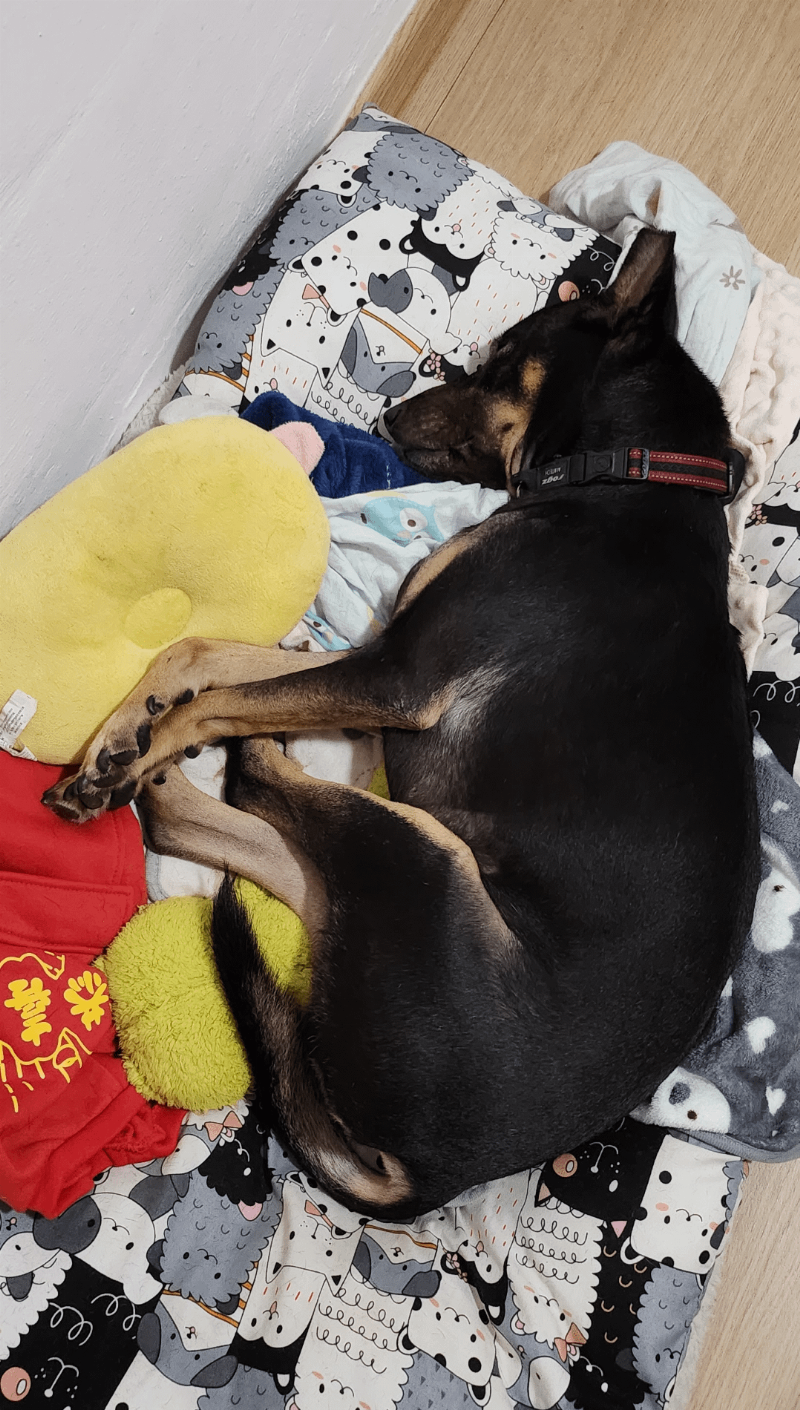 A calm Golden Retriever dog relaxing in a cozy, sunlit living room, lying on a plush dog bed, showcasing a safe space for training a dog to stay home alone.
The Step-by-Step Training Process
Now that the foundation is set, you can begin the active training. This process relies on desensitization and counter-conditioning—gradually getting your dog used to being alone and changing their emotional response from fear to contentment.
Step 1: Desensitize to Departure Cues
Dogs are masters at picking up patterns. They know that you grabbing your keys, putting on your coat, or picking up your bag means you’re about to leave. The first step is to break these associations.
- Practice Your Routine: Several times a day, go through your departure routine, but don’t actually leave. Pick up your keys and then sit on the sofa. Put on your jacket and then start cooking dinner. The goal is to make these actions meaningless so they no longer trigger your dog’s anxiety.
- Vary the Sequence: Don’t always do things in the same order. Sometimes put your shoes on first, other times grab your bag first. This unpredictability prevents your dog from anticipating your departure.
Step 2: The Art of a Calm Departure and Arrival
Your behavior when you leave and return has a huge impact on your dog’s anxiety levels. Over-the-top, emotional goodbyes and hellos can reinforce the idea that your absence is a big deal.
“A common mistake owners make is creating a dramatic departure,” says Dr. Sarah Miller, a canine behavior specialist. “They say goodbye in a high-pitched, emotional voice, which can heighten a dog’s anxiety. A calm, matter-of-fact exit is far more effective.”
When you leave, do so quietly. Don’t make a fuss. Similarly, when you return, keep it low-key for the first few minutes. Ignore any jumping or frantic behavior. Once your dog has calmed down, you can greet them calmly. This teaches them that your coming and going is a normal, non-eventful part of life.
Step 3: Gradually Increase the Duration
This is the core of the training. Start small—impossibly small. The goal is to return before your dog has a chance to get anxious.
- Start with Seconds: Command your dog to stay in their safe space. Step out the door, close it, and immediately come back in. Greet them calmly if they were quiet.
- Increase to a Minute: Once they are comfortable with the “out-and-in” drill, increase the time to 30 seconds, then a minute.
- Slowly Extend the Time: Continue to increase the duration in small increments: one minute, then three, then five, ten, and so on. If at any point your dog shows signs of distress (barking, whining), you’ve gone too fast. Go back to a shorter duration where they were successful and work up more slowly.
Patience is everything. It might take days or even weeks to get to a 30-minute absence. This gradual process is the most effective path to success when you want to know how can i train my dog to stay home alone.
Helpful Tools and Aids
While training is the main component, certain tools can support the process and make it easier for your dog.
Enrichment Toys and Puzzle Feeders
These are fantastic for keeping your dog occupied and mentally stimulated while you’re away. Instead of feeding your dog from a bowl, use a puzzle feeder or a treat-dispensing toy like a KONG. Fill it with their kibble, some peanut butter, or other high-value treats. This gives them a “job” to do, focusing their energy on a productive task rather than on your absence.
Calming Aids
For dogs with more significant anxiety, calming aids can be beneficial.
- Pheromone Diffusers: Products like Adaptil release a synthetic version of the calming pheromone mother dogs produce. Plugging one in near your dog’s safe space can create a more relaxing environment.
- Calming Supplements: Consult your vet about natural calming supplements containing ingredients like L-theanine or tryptophan.
- Music or TV: Leaving on a classical music station or a TV channel designed for dogs can provide soothing background noise that masks startling sounds from outside.
Common Mistakes to Avoid
Knowing what not to do is just as important as knowing what to do. Avoid these common pitfalls:
- Punishing Your Dog: Never scold or punish your dog for anxious behavior. If you come home to a mess, remember that it’s a symptom of panic, not spite. Punishment will only increase their anxiety. This is a critical factor, and understanding positive reinforcement is more effective than the methods discussed in aggressive dog training tips, which are for different behavioral issues.
- Getting Another Dog: While it may work for a bored dog, getting a second dog is not a cure for separation anxiety. The anxiety is about being separated from you, not just being alone.
- Rushing the Process: Pushing your dog too far too fast will set back your training. Be patient and always work at your dog’s pace.
Frequently Asked Questions (FAQ)
How long can a dog be left alone?
Most adult dogs can be left alone for 8-10 hours, but this is not ideal. Puppies and senior dogs need more frequent potty breaks. It’s important to build up to this duration gradually.
Should I leave my dog in a crate when I’m gone?
If your dog is properly crate trained and sees their crate as a safe space, it can be an excellent tool for preventing destructive behavior and keeping them safe. However, a dog who is not crate trained may become more anxious if confined.
What should I do if my dog barks nonstop when I leave?
This is a clear sign of distress. You need to go back to the beginning of the desensitization process. Start with much shorter absences—even just a few seconds—and build up very slowly. Using a pet camera can help you monitor when the barking starts.
Can I train an older dog to be alone?
Absolutely. The principles are the same for dogs of any age. An older dog’s habits may be more ingrained, so the process might require more patience, but it is entirely possible.
What’s the best toy to leave with my dog?
A durable, food-dispensing puzzle toy like a KONG is often the best choice. It provides both a tasty reward and a mental challenge, keeping your dog occupied for a significant amount of time after you leave.
A Journey of Patience and Trust
Teaching your dog to be comfortable alone is a gift of confidence and security. It’s a process that requires empathy, consistency, and a deep understanding of your dog’s needs. By creating a safe environment, ensuring proper exercise, and patiently working through gradual desensitization, you can transform alone time from a source of anxiety into a peaceful routine. Remember that successfully learning how to train dog to stay home alone strengthens the bond you share, building a foundation of trust that will last a lifetime.
