
Teaching your dog to relieve themselves in a specific outdoor location is a fundamental aspect of housetraining and maintaining a clean home. This process, while requiring patience and consistency, is achievable for dogs of all ages. By understanding your dog’s natural instincts and employing effective training methods, you can successfully guide them to understand where they are expected to go. This guide will walk you through the essential steps to establish a reliable potty routine, ensuring your furry friend knows exactly where to do their business.
Understanding Your Dog’s Potty Habits
Before you begin training, it’s crucial to observe your dog’s natural behaviors and cues. Most dogs have a routine and may exhibit specific signs when they need to eliminate. These can include circling, sniffing the ground intently, whining, or heading towards a door. Recognizing these signals allows you to proactively take your dog to their designated spot, reinforcing the desired behavior. Puppies, with their smaller bladders and developing control, will require more frequent trips outside. Older dogs, or those with a history of accidents, may need a refresher course and a more structured approach.
Identifying the Right Potty Spot
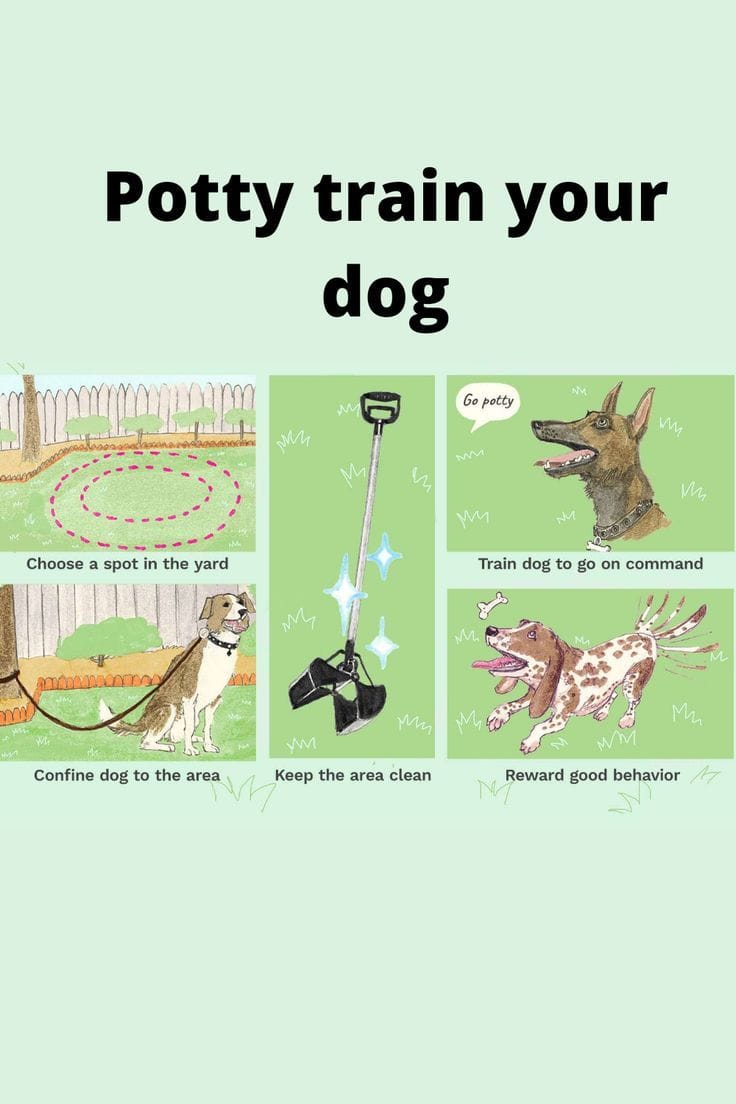
Choosing the perfect potty spot is more than just picking a patch of grass. Consider a location that is easily accessible, away from high-traffic areas of your yard, and preferably somewhere your dog finds comfortable and safe. Many owners prefer a spot near a specific tree or bush. Once you’ve selected this area, it’s important to keep it consistent. Take your dog to this exact spot every single time they need to go. Consistency is key to helping your dog associate that particular location with elimination.
The Step-by-Step Training Process
1. Establish a Consistent Schedule
A predictable routine is the cornerstone of successful dog training. Take your dog outside at regular intervals, especially after waking up, after meals, after playtime, and before bedtime. For puppies, this might mean every 1-2 hours initially. As your dog matures and their bladder control improves, you can gradually increase the time between outings. This consistent schedule helps prevent accidents indoors by ensuring your dog is offered ample opportunities to go outside. [how to potty train a dog].
2. Supervise and Redirect
When you can’t actively supervise your dog, consider using a crate or a confined area. Crates, when used correctly, tap into a dog’s natural instinct not to soil their den. If you see your dog exhibiting potty signs indoors, calmly interrupt them and immediately escort them to their designated outdoor spot. If they finish their business outside, praise them enthusiastically. This redirection is far more effective than punishment, which can create fear and anxiety around elimination.
3. Positive Reinforcement is Key
Every time your dog successfully eliminates in their designated spot, offer immediate and enthusiastic praise. This could be verbal praise, a favorite treat, or a brief play session. The timing of your reward is critical; it needs to happen within seconds of them finishing to create a clear association between the action and the positive outcome. This positive reinforcement encourages them to repeat the behavior. Rewarding them after they come inside might confuse them about where they earned the reward. [how do you teach a dog to poop outside].
4. Managing Accidents
Accidents are bound to happen, especially during the initial training phases. The most important rule is never punish your dog for an accident after the fact. They won’t understand why they are being punished, and it can damage your bond and hinder training progress. If you catch them in the act, calmly interrupt them and take them outside. If you discover an accident later, simply clean it up thoroughly with an enzymatic cleaner to eliminate odors that might attract them back to the same spot.
Advanced Tips for Potty Training Success
Using a Potty Command
To further solidify the habit, you can introduce a verbal cue, such as “Go potty” or “Hurry up.” Say the command as your dog begins to eliminate. Over time, they will associate the word with the action. This command can be particularly useful when you are in a hurry or need to encourage them in a new or distracting environment. [dog training step by step].
Handling Specific Situations
- New Environments: When traveling or visiting new places, establish a new designated potty spot as quickly as possible and stick to it. Continue with your established routine and positive reinforcement.
- Old Dog, New Tricks: Training an older dog to use a specific spot may take longer if they have developed ingrained habits. Be extra patient and consistent. [how to train older dog to use pee pad].
- Multiple Dogs: If you have multiple dogs, train them individually at first, especially if they are being housetrained simultaneously. Once they understand the concept, you can transition to taking them out together.
When to Seek Professional Help
If you’ve been consistently following these training steps for several weeks and are still experiencing frequent accidents, it might be time to consult a professional. Underlying medical issues or behavioral problems could be at play. A veterinarian can rule out any health concerns, and a certified professional dog trainer can offer personalized strategies for your specific situation. You might also find resources at a [dog training club st petersburg] or similar local organizations helpful.
The Importance of Patience and Consistency
Training a dog to go in one specific place is a journey that requires significant patience, unwavering consistency, and positive reinforcement. Every dog learns at their own pace. Celebrate small successes, and don’t get discouraged by setbacks. By dedicating the time and effort, you will not only achieve your goal of a reliably housetrained dog but also strengthen the bond between you and your canine companion through clear communication and mutual understanding.
