
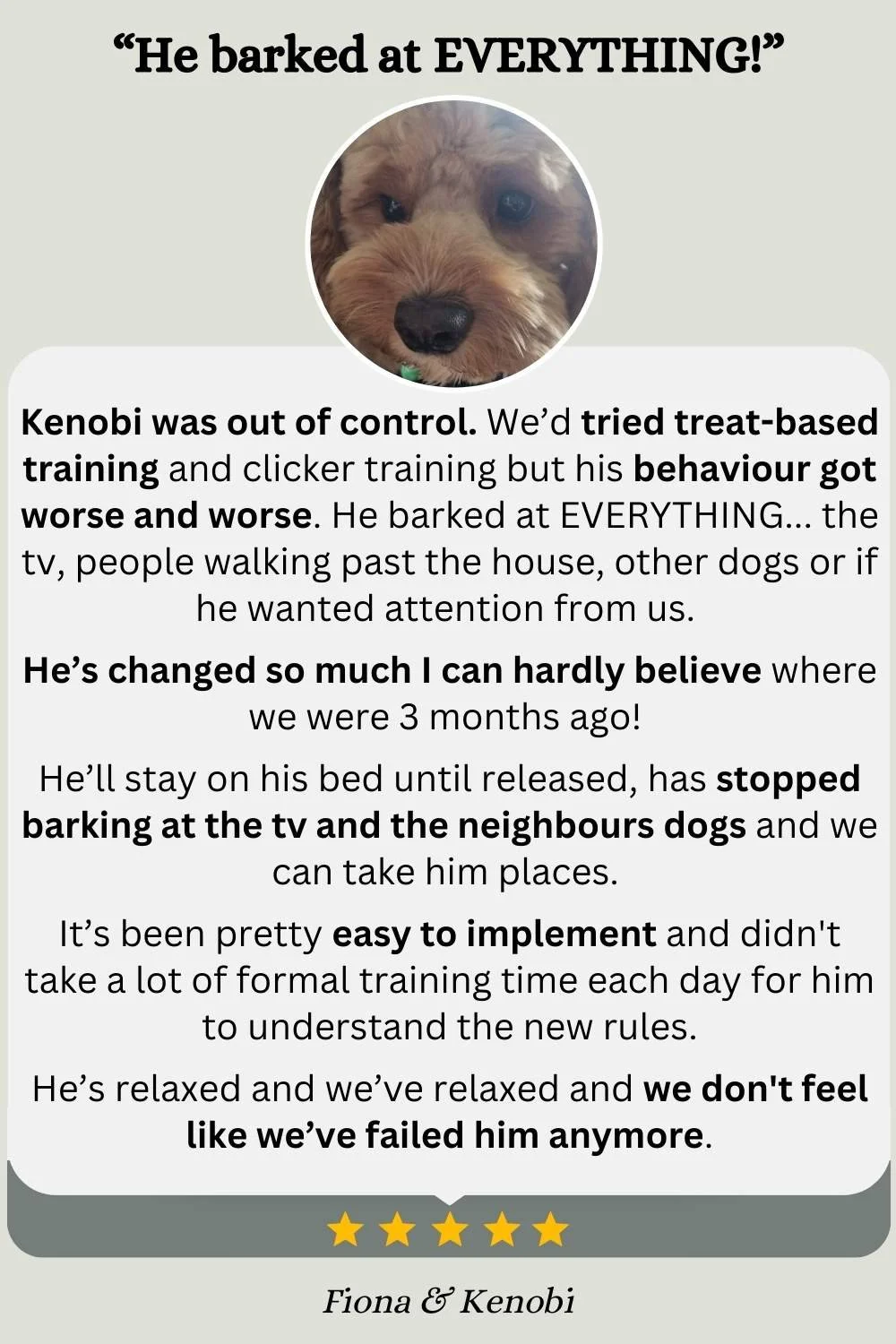
Ever feel like your dog’s barks are taking over your home, or perhaps causing a stir with your neighbors? You’re not alone. Excessive barking is one of the most common behavioral issues dog owners face. But don’t despair! Understanding why your dog barks and implementing the right training techniques can make a world of difference. This guide will walk you through everything you need to know about how to train your dog to not bark, transforming those potentially disruptive vocalizations into a more peaceful coexistence.
The journey to a quieter canine companion starts with recognizing that barking is a natural form of communication for dogs. They bark to alert us, express excitement, seek attention, relieve anxiety, or even out of boredom. Our goal isn’t to silence them completely – that would be unnatural and unfair – but to manage and redirect their barking into more appropriate situations. We want to teach them when it’s okay to bark and, more importantly, when it’s not.
Understanding the Root Causes of Barking
Before we dive into specific training methods, it’s crucial to identify the underlying reason for your dog’s barking. This understanding is key to choosing the most effective approach. Think of it like a doctor diagnosing an illness before prescribing treatment.
Alert/Territorial Barking
This is perhaps the most common type. Your dog might bark at people or other animals approaching their perceived territory (your home, yard, or even your car). It’s their way of saying, “Hey! Someone’s coming!” or “Stay back!” This type of barking is often loud and persistent.
Alarm/Fear Barking
Similar to alert barking, but driven by fear. A dog might bark at a sudden noise, an unfamiliar object, or someone they perceive as a threat. This bark is often accompanied by fearful body language like a tucked tail or flattened ears.
Boredom/Attention-Seeking Barking
If a dog isn’t getting enough mental and physical stimulation, they might bark to entertain themselves or to get your attention. This is the “I’m bored, play with me!” or “Hey, you! Look at me!” bark. It can be quite insistent.
Greeting/Excitement Barking
Many dogs bark when they’re happy to see you or when they’re anticipating something fun, like a walk or a treat. This bark is usually higher-pitched and accompanied by tail wags and other signs of excitement.
Compulsive Barking
In some cases, barking can become a compulsive behavior, almost like a tic. This is less common and often stems from deeper anxiety or stress.
Separation Anxiety Barking
Dogs suffering from separation anxiety may bark excessively when left alone. This is often accompanied by other distress signals like pacing, destructive behavior, or house soiling.
Medical Issues
Sometimes, sudden changes in barking behavior can be linked to a medical condition, such as pain or cognitive decline in older dogs. If the barking is a new and persistent issue, a vet check-up is always a good idea.
Essential Tools and Preparations
Before you begin training, ensure you have the right tools and a prepared mindset. Consistency is paramount, so make sure everyone in the household is on board with the training plan.
- High-Value Treats: Small, delicious treats that your dog absolutely loves and doesn’t get at other times.
- A Leash and Collar/Harness: For controlled training sessions, especially if barking occurs outside.
- Patience and Consistency: This is your most critical tool. Training takes time and repetition.
- Understanding: Remember that your dog is communicating. Your role is to teach them better ways.
Training Techniques: How to Train Your Dog to Not Bark
Now, let’s get to the actionable strategies. We’ll cover several effective methods, so you can choose what best suits your dog and the situation.
1. Teaching the “Quiet” Command
This is a fundamental skill. The goal is to teach your dog to stop barking on cue.
- Step 1: Identify the Barking Trigger: When your dog barks at something (e.g., a person walking by the window), let them bark a few times.
- Step 2: Get Their Attention: Hold a high-value treat near your dog’s nose. As soon as they stop barking to sniff the treat, say “Quiet” in a calm, firm voice.
- Step 3: Reward: Immediately give them the treat and praise.
- Step 4: Increase Duration: Gradually increase the time your dog needs to be quiet before receiving the reward. Start with a second, then two, then five, and so on.
- Step 5: Practice: Practice this in various situations. If your dog barks while you’re trying to teach “Quiet,” you might need to briefly interrupt the barking (e.g., by making a noise) to get their attention before cueing “Quiet.”
This method focuses on rewarding the cessation of barking. It’s a positive reinforcement approach that teaches your dog that being quiet earns good things. Learning how to train your dog not to bark using the “Quiet” command requires patience, but it’s incredibly effective for managing alert barking.
2. Managing Environmental Triggers
Sometimes, the easiest way to prevent barking is to remove or modify the triggers. This is particularly useful for alert and territorial barking.
- Block Visual Access: If your dog barks at things they see outside, close curtains, use frosted window film, or put up solid fencing to block their view.
- Manage Sounds: If noises from outside set your dog off, try playing calming music or using a white noise machine to mask sudden sounds.
- Leash Control: When outside, keep your dog on a leash and practice controlled greetings or walks, rewarding calm behavior.
3. Desensitization and Counter-Conditioning
This technique is excellent for fear-based or reactive barking. It involves gradually exposing your dog to their trigger at a distance where they don’t react, and pairing that exposure with positive experiences.
- Step 1: Identify the Trigger and Threshold: Determine what sets your dog off (e.g., people walking past the house). Find a distance at which your dog can see the trigger but doesn’t bark. This is their “threshold.”
- Step 2: Counter-Conditioning: As soon as your dog notices the trigger (but before they bark), give them a high-value treat. When the trigger disappears, the treats stop.
- Step 3: Gradual Exposure: Over many sessions, slowly decrease the distance to the trigger, always staying below their barking threshold. If your dog barks, you’ve moved too quickly. Increase the distance again and work from there.
This is a slower process but can be very effective for deep-seated fear or reactivity. It helps your dog associate the trigger with something positive (treats) rather than something scary. For barking related to specific situations, such as how to train dogs not to bark at people, this method is particularly powerful.
4. Teaching an Incompatible Behavior
Instead of just telling your dog “Quiet,” you can teach them to do something else when the trigger appears.
- “Go to Mat” or “Place”: Train your dog to go to a specific mat or bed when the doorbell rings or someone approaches. Reward them for staying on the mat calmly. This redirects their energy and focus away from barking.
- Occupational Activities: Provide puzzle toys, long-lasting chews, or engage in training sessions when you anticipate barking triggers. A mentally and physically tired dog is less likely to bark excessively.
5. Addressing Boredom and Attention-Seeking Barking
- Increase Exercise: Ensure your dog gets enough physical activity daily. This varies by breed, but daily walks, runs, or playtime are essential.
- Mental Stimulation: Provide puzzle toys, interactive feeders, and training games to keep their minds engaged.
- Ignore Attention Barking: If your dog barks to get your attention, do not give them any attention – no talking, no looking, no touching. Wait for a brief moment of silence, then reward them. This teaches them that barking doesn’t work, but quiet does.
6. Dealing with Separation Anxiety Barking
This is a more complex issue that often requires a multi-faceted approach and may need professional help.
- Desensitization to Departure Cues: Gradually desensitize your dog to the things you do before leaving (picking up keys, putting on shoes).
- Gradual Departures: Start by leaving for very short periods and gradually increase the duration, ensuring your dog remains calm.
- Provide Distractions: Leave them with a stuffed Kong or a puzzle toy.
- Consult Professionals: For severe separation anxiety, consult a veterinarian or a certified professional dog trainer/behaviorist.
Common Mistakes to Avoid
- Punishing Barking: Yelling at your dog to be quiet often sounds like you’re barking along with them, which can escalate the behavior. Punishment can also increase fear and anxiety, leading to more barking.
- Inconsistency: Not everyone in the household sticking to the same rules or training methods.
- Lack of Exercise/Stimulation: Expecting a dog to be quiet when they are under-stimulated is unrealistic.
- Rewarding Barking (Unintentionally): Giving attention, opening the door, or giving a treat when the dog is barking can reinforce the behavior.
The Role of Early Socialization and Training
Starting early is always best. Puppies who are properly socialized and introduced to basic obedience training are less likely to develop severe barking issues later on. Exposing them to various sights, sounds, people, and other animals in a controlled, positive way helps build their confidence and reduces fear-based reactions. Learning training a dog to not bark as a puppy can prevent many future problems.
When to Seek Professional Help
While many barking issues can be resolved with consistent training at home, some dogs require expert intervention. Consider consulting a professional dog trainer or a veterinary behaviorist if:
- Barking is severe, persistent, and disruptive.
- Barking is accompanied by aggression or other concerning behaviors.
- You suspect separation anxiety or compulsive disorder.
- You’ve tried various methods without success.
A professional can help diagnose the specific cause of the barking and develop a tailored behavior modification plan. They can also guide you on techniques like train dog not to bark at doorbell for specific triggers.
Conclusion: Embracing a Quieter, Happier Life Together
Mastering how to train your dog to not bark is an ongoing process that requires patience, understanding, and consistency. By identifying the cause of the barking, employing positive reinforcement techniques, managing environmental triggers, and ensuring your dog’s needs for exercise and mental stimulation are met, you can significantly reduce unwanted vocalizations. Remember, a well-trained dog is a happier dog, and a quieter home benefits everyone. Embrace the journey of understanding your canine companion better, and enjoy the rewards of a more harmonious life together.
