
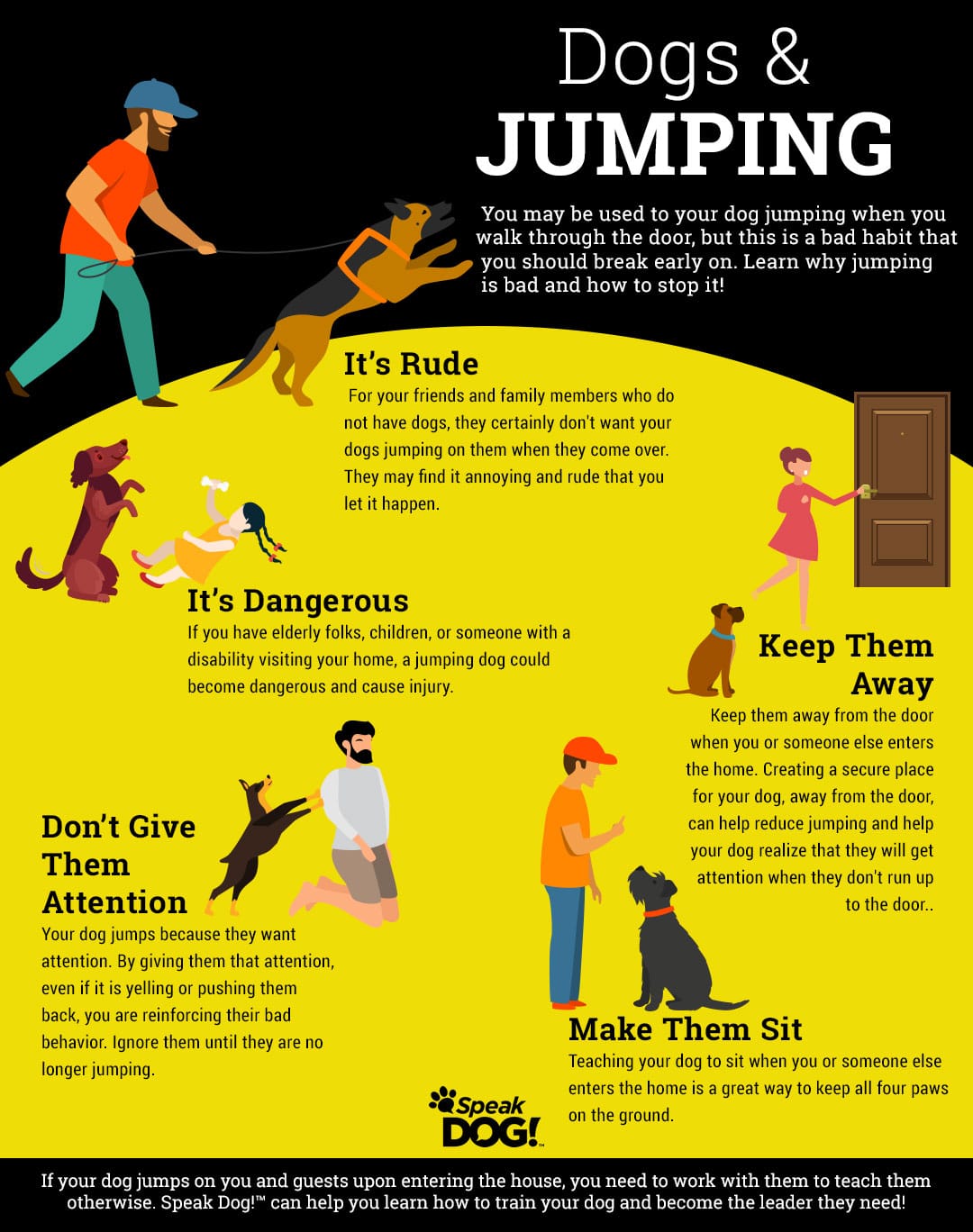
Jumping is a natural behavior for dogs, but it can be frustrating and even dangerous for owners and guests. Training your dog to stop jumping is essential for a well-behaved canine companion and a harmonious household. This guide will walk you through the process, focusing on understanding why dogs jump and providing effective, positive reinforcement techniques to curb this common behavior.
Understanding Why Dogs Jump
Before we dive into training, it’s crucial to understand the root causes of jumping. Dogs often jump for a variety of reasons, and recognizing these can help you tailor your training approach.
- Greeting and Excitement: This is the most common reason. Dogs jump up to greet people because they are excited and want to be at eye level with you. In their world, this is a friendly gesture, a way to get closer and receive attention.
- Seeking Attention: If a dog learns that jumping results in any form of attention—even negative attention like being pushed away—they may continue the behavior. They see any interaction as a reward.
- Playfulness: Some dogs jump as part of their play. They might be inviting you to play or re-enacting playful behaviors they’ve learned from other dogs.
- Lack of Training/Boundaries: Often, dogs jump simply because they haven’t been taught that it’s not acceptable behavior. They don’t understand the social rules we expect them to follow.
The Importance of Consistency in Training
One of the most critical elements in how to train a dog to stop jumping up is consistency. Every person who interacts with your dog needs to be on the same page. If one person allows jumping while another discourages it, your dog will become confused, and training will be significantly harder.
- Family Agreement: Discuss the training plan with everyone in your household. Ensure everyone knows the cues and responses.
- Guest Education: Politely ask guests to follow your lead. Inform them that you’re training your dog and ask them to turn away or ignore the dog if it jumps.
- Practice Makes Perfect: Consistent reinforcement of desired behaviors and discouragement of unwanted ones will yield the best results.
Positive Reinforcement Techniques
Positive reinforcement is the most effective and humane way to train your dog. Instead of punishing the jumping, we focus on rewarding the desired behavior (keeping all four paws on the floor).
Technique 1: The “Ignore and Reward” Method
This is the cornerstone of teaching your dog not to jump.
- The Moment They Jump: As soon as your dog’s paws leave the ground to jump on you, calmly turn your back or step away. Do not make eye contact, speak to them, or touch them. This removes the reward (attention) they are seeking.
- Wait for Four on the Floor: The instant your dog’s paws are back on the ground, turn back around and calmly praise them or offer a small treat. This teaches them that keeping all four paws down is what earns them positive attention.
- Repeat, Repeat, Repeat: You will need to do this every single time your dog jumps. It can be tiring, but consistency is key.
This method directly addresses the attention-seeking aspect of jumping. By withholding attention when they jump and giving it when they are calm, you are teaching them the correct way to interact.
Technique 2: Teaching an Alternative Behavior
Instead of just focusing on what you don’t want, teach your dog what you do want them to do. A great alternative behavior is “sit.”
- Ask for a Sit: When greeting your dog, or when they approach you, ask them to “sit.”
- Reward the Sit: If they sit, reward them immediately with praise and a treat. This gives them a clear alternative action to jumping.
- Practice in Various Situations: Start practicing “sit” when your dog is calm. Gradually introduce it during greetings, when guests arrive, and in other exciting situations.
- Chain Behaviors: You can eventually chain behaviors. For example, ask for a sit, and when they sit, reward them. If they remain sitting when you approach, reward them again. This reinforces calmness and obedience.
Teaching your dog to “sit” is a fundamental command that can be used in many scenarios, including preventing jumping. If your dog knows to sit when you approach, they are less likely to jump. Learning [how to train a dog to stop jumping up] often involves mastering several basic commands first.
Managing Excitement and Greetings
Managing your dog’s excitement, especially during greetings, is crucial for success.
- Pre-emptive Sit: Before you even open the door to guests, ask your dog to sit. Reward them for staying in a sit position as the guest enters.
- Calm Greetings: Instruct your guests to enter calmly and to ignore the dog until it has all four paws on the floor. Once the dog is calm, the guest can then greet them, perhaps with a treat or a gentle pat.
- Leash Control: If your dog is particularly prone to jumping when excited, consider keeping them on a loose leash when guests first arrive. This gives you a physical way to guide them and prevent jumping. Reward them for keeping the leash loose and for sitting.
This approach helps your dog understand that calm behavior is what earns them positive interactions with new people. It’s a practical application of [how to keep your dog from jumping up on people].
Dealing with Other Common Scenarios
Jumping on Furniture
If your dog jumps on furniture when they aren’t allowed, the principles are similar.
- Clear Rules: Be clear about which furniture is off-limits.
- Redirect: When you see your dog jumping on furniture, calmly redirect them to their designated bed or mat.
- Reward Appropriate Resting: Praise and reward your dog when they settle on their own bed.
Jumping During Play
Some dogs jump during play as an invitation to continue.
- Time-Out: If your dog jumps during playtime, immediately end the game for 10-20 seconds. This teaches them that jumping stops the fun.
- Redirect to Toys: Offer appropriate toys for play, and reward them for engaging with toys rather than jumping on you.
Advanced Tips and Considerations
- Socialization: Proper socialization from a young age can help dogs learn appropriate greeting behaviors. Well-socialized dogs are often less likely to jump excessively out of confusion or over-excitement.
- Exercise and Mental Stimulation: A tired dog is a well-behaved dog. Ensure your dog gets enough physical exercise and mental stimulation. Boredom and pent-up energy can manifest as excessive jumping.
- Professional Help: If you’re struggling to manage your dog’s jumping behavior, don’t hesitate to consult a professional dog trainer or a certified applied animal behaviorist. They can provide personalized guidance and help you address specific challenges. For instance, if you need to [teach dog not to jump on strangers], a professional can offer tailored strategies.
Conclusion: Building a Better Bond Through Training
Training your dog to stop jumping is an investment in your relationship. It requires patience, consistency, and positive reinforcement. By understanding the reasons behind the behavior and implementing effective training methods, you can transform your dog’s jumping habit into a well-mannered greeting. Remember, every dog can learn, and with the right approach, you can successfully [teach dog not to jump]. This process not only curbs unwanted behavior but also strengthens the bond between you and your beloved canine companion.
