
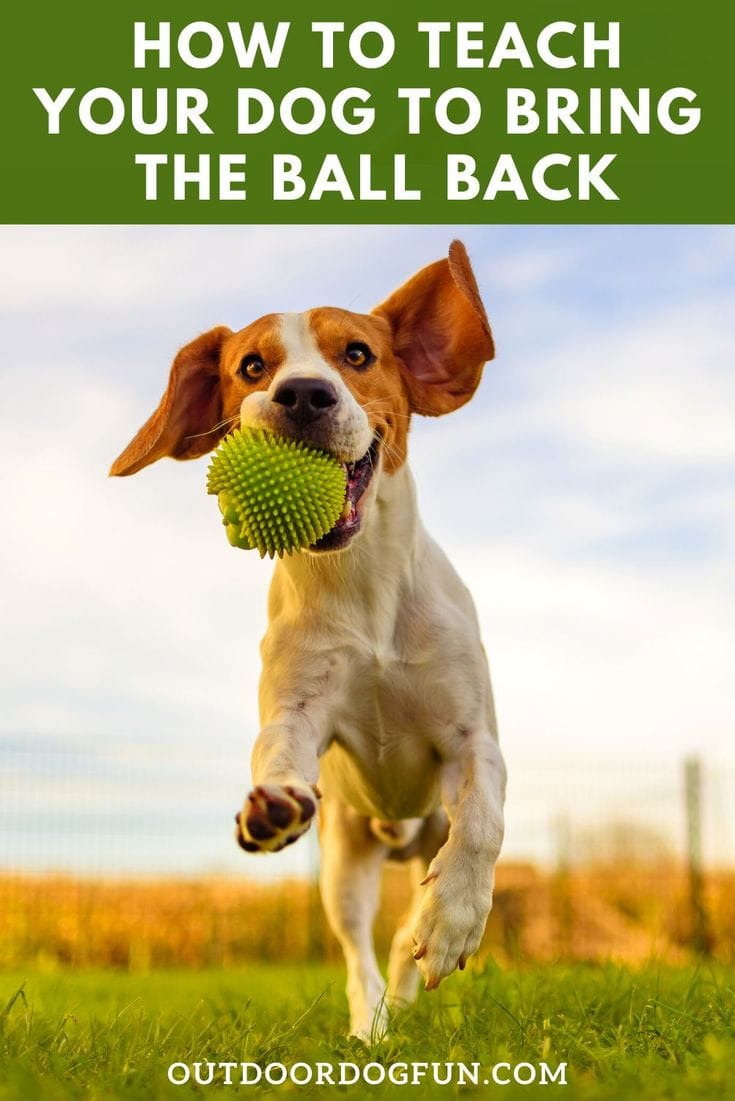
Teaching your dog to fetch is a classic and rewarding experience, strengthening your bond and providing excellent exercise. The core of fetch lies in training your dog to not only chase a ball but, crucially, to bring it back to you. This process requires patience, positive reinforcement, and understanding your dog’s natural instincts. Whether you have a playful puppy or a mature dog, these steps will guide you through effectively training your canine companion to become a fetching champion.
Understanding the Fetch Drive
Some dogs have a natural retrieving instinct, while others may need more encouragement. This drive is often linked to their breed’s history; for instance, retrievers were bred to fetch downed game for hunters. However, any dog can learn to enjoy and excel at fetch with the right training approach. The key is to tap into their desire to please and their innate playfulness.
Why is Fetch Important?
Fetch is more than just a game; it’s a fundamental way to engage your dog mentally and physically. Regular play sessions can:
- Provide essential exercise: Especially crucial for high-energy breeds, fetch helps burn off excess energy, leading to a calmer, happier dog.
- Stimulate their mind: Learning and executing commands, like bringing the ball back, engages their cognitive abilities.
- Strengthen the human-animal bond: The shared activity and positive interaction create a deeper connection between you and your dog.
- Improve obedience: Fetch reinforces commands such as “drop it,” “come,” and “leave it,” which are vital for overall control and safety.
Getting Started: Essential Gear and Preparation
Before you begin training, ensure you have the right tools and a suitable environment.
What You’ll Need
- The Right Ball: Choose a ball that is appropriately sized for your dog – not too small to be a choking hazard, and not too large to be unmanageable. Durable, non-toxic materials are essential. Some dogs prefer specific textures or bounce patterns.
- High-Value Treats: Small, tasty treats that your dog absolutely loves will be your primary motivator during the initial stages of training.
- A Leash and Collar/Harness: Especially important for the early stages or in unfenced areas, a leash helps manage your dog and prevent them from running off with the ball.
- A Quiet, Enclosed Space: Start training in a low-distraction environment, like your backyard or a quiet park, to help your dog focus on you and the task.
Building Initial Interest
If your dog doesn’t immediately grasp the concept of chasing or returning, start by building their interest in the ball.
- Make the Ball Exciting: Wiggle the ball, toss it a short distance, and express excitement.
- Encourage Chasing: When your dog shows interest and moves towards the ball, praise them enthusiastically.
- Reward Any Interaction: Even if they just sniff or nudge the ball, reward them. This builds positive association.
Step-by-Step Training: Teaching “Bring It”
This guide breaks down the process into manageable steps, using positive reinforcement to shape your dog’s behavior.
Step 1: Encourage Picking Up the Ball
The first hurdle is getting your dog to actually pick up the ball.
- Reward Mouthing: When your dog puts their mouth on the ball, even if they don’t pick it up, give them a treat and praise.
- Encourage Holding: Gradually increase the criteria. Reward them for holding the ball for a second, then two seconds. You can gently place the ball in their mouth if they are receptive, rewarding them immediately for holding it.
- Use a “Take It” Cue: Once your dog reliably mouths and holds the ball, you can start associating a cue like “Take it.” Say “Take it” as you offer the ball, and reward them for putting their mouth on it.
Step 2: Teaching the “Drop It” Command
This is crucial for a smooth fetch. You want your dog to release the ball willingly.
- Trade Up: When your dog has the ball, offer a high-value treat right in front of their nose. As they open their mouth to take the treat, say “Drop it.” When they release the ball, give them the treat and praise.
- Gradual Increase: Once they understand the trade, start to phase out the immediate treat. You can offer the treat slightly after they drop the ball, or even just praise and then immediately throw the ball for another short toss, encouraging them to pick it up again.
- Avoid Forcing: Never try to pry the ball out of your dog’s mouth, as this can lead to possessiveness and guarding behavior.
Step 3: Combining “Take It” and “Drop It”
Now, you’ll start linking the two commands together in a short sequence.
- Short Tosses: Toss the ball a very short distance (just a few feet).
- Encourage Retrieval: As your dog moves towards it, use an encouraging tone.
- Reward Picking Up: When they pick it up, praise them.
- Cue “Drop It”: As they approach you (or you approach them), use the “Drop it” command and offer a treat.
- Repeat: Do this multiple times in short sessions. The goal is for them to associate picking up the ball with getting a reward upon release.
Step 4: Introducing the “Come” or “Bring It” Command
This is where you teach them to return the ball to you.
- The Chase and Return: Toss the ball a short distance. When your dog picks it up, immediately get excited and call them back to you with a happy tone and the cue “Come” or “Bring it.”
- Reward Return: As soon as they come towards you with the ball, praise them. When they reach you, use the “Drop it” command and reward them with a treat and enthusiastic praise.
- Use a Long Line: If your dog is hesitant to come back, use a long leash (15-30 feet) in a safe area. You can gently guide them back if needed, always keeping the experience positive.
- Make Yourself Exciting: Sometimes, the best way to get your dog to come to you is to be more exciting than the ball. Jog backward, clap your hands, and use an excited voice.
Step 5: Gradually Increasing Distance and Duration
Once your dog understands the basic sequence (chase, pick up, bring to you, drop), you can start to increase the challenge.
- Longer Throws: Slowly increase the distance you throw the ball.
- Vary Locations: Practice in different safe environments to generalize the behavior.
- Increase Holding Time: Gradually wait a second or two longer before asking for “Drop it,” rewarding them for holding the ball a bit longer.
- Introduce Distractions: As your dog becomes proficient, you can introduce mild distractions in a controlled manner to test their focus.
Troubleshooting Common Fetch Issues
Even with the best training, you might encounter some common problems.
My Dog Chases the Ball but Won’t Pick It Up
- Problem: Your dog loves the chase but isn’t interested in the ball itself.
- Solution: Focus on building value for the ball. Use a toy they do like and associate it with the ball. Make picking up the ball highly rewarding with treats and praise. Try different types of balls; some dogs have preferences.
My Dog Picks Up the Ball but Runs Away with It
- Problem: This is often resource guarding or simply seeing the ball as “theirs” now.
- Solution: Never chase your dog, as this reinforces the game of keep-away. Instead, try to entice them back with a super high-value treat or a more exciting toy. Practice the “Drop it” command rigorously using the trade-up method. Ensure you are more rewarding and exciting than the ball itself.
My Dog Brings the Ball Back but Won’t Drop It
- Problem: They understand bringing it back but struggle with releasing it.
- Solution: Reinforce the “Drop it” command even more. Use extremely high-value treats for the exchange. Practice “drop it” with other toys and then transfer it to the fetch ball. You can also try gently holding the ball and rewarding them when their mouth relaxes slightly.
My Dog Gets Easily Distracted
- Problem: Your dog loses focus amidst other sights, sounds, or smells.
- Solution: Start in a very quiet environment with minimal distractions. Gradually introduce distractions as they improve. Keep training sessions short and highly rewarding to maintain their engagement. Ensure your cues are clear and consistent.
Advanced Fetch Techniques and Games
Once your dog has mastered the basics, you can explore more advanced training and fun variations.
Teaching “Leave It”
This command is essential for safety, teaching your dog to ignore tempting items. It’s also crucial if they tend to pick up things they shouldn’t during fetch. Practice “Leave it” with less interesting items first, then progress to the fetch ball.
Fetch with Multiple Balls
If your dog enjoys fetch, introduce a second ball. Toss one, and when they retrieve it, show them the second ball. This can increase their desire to bring the first one back faster to get the chance to chase the second.
Scent Work Integration
For breeds with strong scent drives, you can integrate scent work. Hide the ball and encourage your dog to use their nose to find it before retrieving.
The Joy of Fetch: A Lifelong Journey
Training your dog to bring back a ball is a journey filled with learning, bonding, and countless moments of joy. Remember to be patient, stay positive, and celebrate every small success. The effort invested in teaching this fundamental skill will pay dividends in a more engaged, well-exercised, and deeply connected companion. Happy fetching!
