
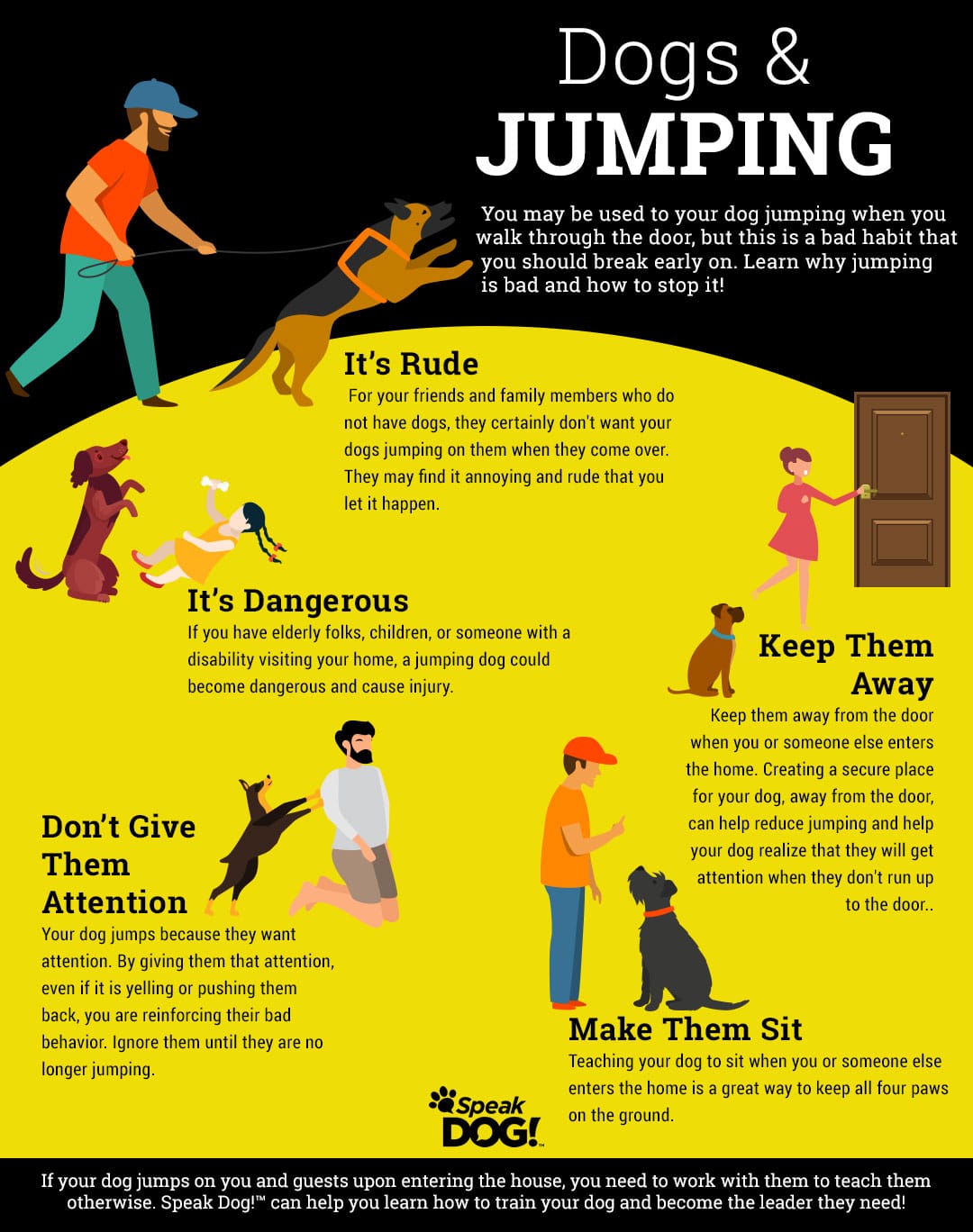
Training a dog to stop jumping on people is a common goal for many dog owners, and it’s achievable with patience and the right techniques. This guide will walk you through understanding why dogs jump and effective strategies to curb this behavior, focusing on positive reinforcement and clear communication.
Understanding Dog Jumping Behavior
Dogs jump on people for a variety of reasons. Often, it’s an enthusiastic greeting, a way to get attention, or a learned behavior that has been inadvertently reinforced. Unlike humans who typically greet each other at face level, dogs often jump to reach higher or to make physical contact as a sign of excitement or affection. Understanding this canine communication is the first step in addressing the behavior. While jumping can be a natural dog behavior, it’s often perceived as rude or overwhelming by humans, especially when the dog is not yet trained to offer alternative greetings.
The Importance of Positive Reinforcement and Marker Words
Consistent training methods are key to teaching your dog desired behaviors. A marker word, such as “yes” or “good,” paired with a reward, helps your dog understand precisely when they have performed the correct action. This is crucial for establishing clear communication and building good habits. When a dog’s behavior is followed by a marker word and a treat, they are more likely to repeat that behavior. This not only helps in forming desirable behavior patterns but also boosts the dog’s confidence and security, as they clearly understand what is expected and will be rewarded for it.
Celebrating Desired Behaviors
Rewarding your dog for positive actions is fundamental. This practice, often referred to as “celebrating,” involves consciously acknowledging and rewarding behaviors you want to see more of. For instance, when your dog sits, makes eye contact, or comes to you, offer praise and a treat. This teaches your dog that these actions are valued. It’s essential to be consistent with this, as it requires conscious effort from the owner to recognize and reward these moments. This consistent positive reinforcement is vital for a dog that tends to jump, as it redirects their energy towards more appropriate ways of interacting.
Creative Exercise and Energy Management
High-energy dogs often exhibit more challenging behaviors, including jumping. Providing adequate physical and mental stimulation is crucial. Incorporate activities like snuffle mats, puzzle feeders, enrichment games (e.g., hiding treats in boxes), and scent games. These activities help deplete excess energy, which can significantly reduce jumping and other unwanted behaviors. A well-exercised dog is often perceived as a well-behaved dog, but it’s more about setting the dog up for success by managing their energy levels.
Step-by-Step Training to Stop Jumping
A practical approach to stopping jumping involves teaching your dog an incompatible behavior. Instead of jumping, train your dog to offer a sit or another calm greeting when meeting people. This redirects their energy and provides a clear alternative. For example, you can practice a hand-targeting exercise at the door every time you come home. This helps your dog practice the new desired behavior in a familiar context.
Implementing and Maintaining the Training
Consistency is paramount. Habits take time to form and change. Expect that it may take several months of consistent practice for your dog to develop a new, non-jumping behavior pattern. Short, frequent practice sessions are more effective than infrequent, long ones. Once your dog shows improvement, you can gradually introduce new people into the training process. It’s important to choose individuals who are willing to cooperate and follow your directions to ensure the training remains consistent.
Advanced Tips and Resources
For persistent jumping issues, consider seeking professional guidance. Resources like positive dog training videos and in-home training sessions can provide tailored roadmaps to success. Remember to practice new behaviors when your dog is calm, before you need to use the technique in a high-excitement situation, such as when guests arrive.
Conclusion
Training your dog to stop jumping on people is a rewarding process that strengthens your bond and improves interactions. By understanding your dog’s motivations, employing positive reinforcement, managing their energy, and remaining consistent with training, you can successfully teach your dog polite greeting manners. If you’re looking for expert assistance with dog training in the West LA area, consider professional trainers who can offer personalized strategies for your dog’s specific needs.
