
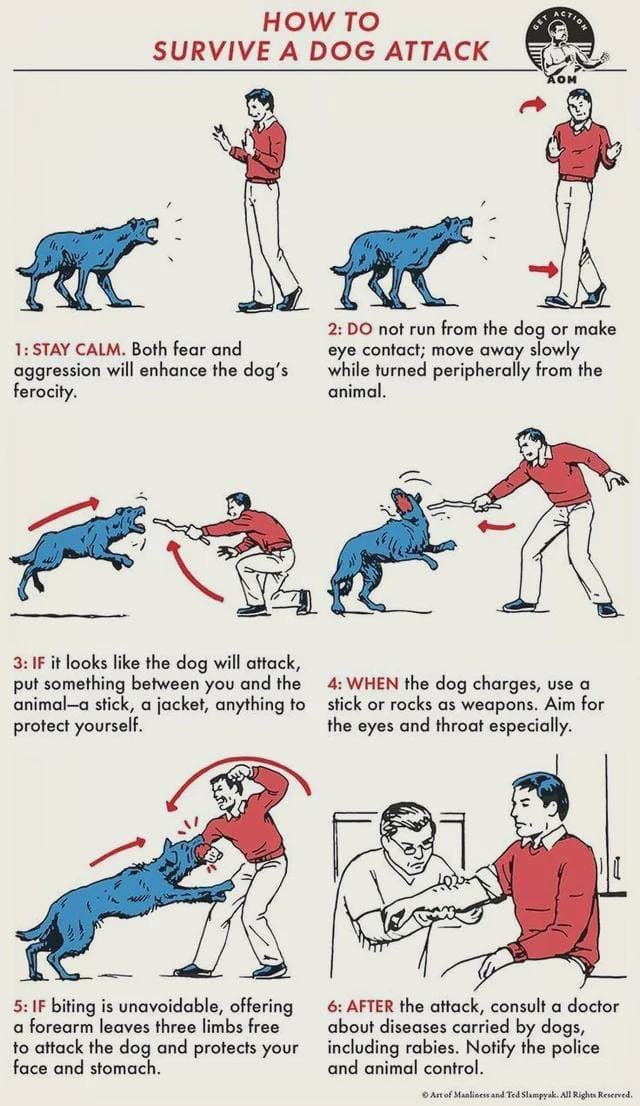
Biting is a serious concern for any dog owner, and understanding how to prevent and address it is crucial for a safe and harmonious relationship with your canine companion. While dogs may bite for various reasons, most aggressive behaviors can be managed and modified with proper training and understanding. This guide will delve into the common causes of biting, effective training strategies, and how to create a safer environment for both your dog and those around them.
Understanding Why Dogs Bite
Before we can effectively train a dog not to bite, it’s essential to understand the underlying reasons for this behavior. Dogs don’t bite out of malice; it’s typically a form of communication or a reaction to a perceived threat or discomfort.
Common Triggers for Dog Bites:
- Fear and Anxiety: A dog that feels cornered, threatened, or overwhelmed may bite to create distance or defend itself. This is especially common in rescue dogs or those with a history of trauma.
- Pain or Illness: Undiagnosed pain or a sudden illness can make a dog irritable and more likely to lash out if touched or approached in a sensitive area.
- Protective Instincts: Dogs may bite to protect their territory, their owner, or their possessions (resource guarding).
- Prey Drive: Certain breeds have a strong prey drive and may exhibit nipping or biting behaviors towards fast-moving objects, small animals, or even children’s feet.
- Playfulness and Overexcitement: Especially in puppies and young dogs, mouthing and nipping can be part of play. If not properly trained, this can escalate into harder bites.
- Frustration: When a dog is unable to reach a desired outcome or is highly frustrated, it might resort to biting.
Proactive Training Strategies: Preventing Bites
The best approach to preventing biting is through consistent, positive reinforcement training from an early age.
Early Socialization: The Foundation of Good Behavior
Exposing puppies to a wide variety of sights, sounds, people, and other well-behaved dogs during their critical socialization window (typically 3-16 weeks) is paramount. This helps them develop into confident, well-adjusted adults who are less likely to be fearful or reactive.
Positive Reinforcement Training
This method focuses on rewarding desired behaviors, making them more likely to occur again. For bite prevention, this involves:
- Teaching Bite Inhibition: For puppies, this means teaching them that a hard bite hurts. When a puppy bites too hard during play, yelp and withdraw attention briefly. Gradually, they learn to control the pressure of their mouthing.
- Rewarding Calmness: Praise and reward your dog when they are calm and relaxed, especially in potentially triggering situations.
- Teaching “Leave It” and “Drop It”: These commands are invaluable for preventing a dog from picking up or holding onto something they shouldn’t, which can sometimes lead to guarding behaviors and potential bites.
Managing the Environment
Creating a safe environment and managing situations that could lead to a bite is crucial, especially while training is ongoing.
- Provide a Safe Space: Ensure your dog has a comfortable crate or den where they can retreat and feel secure.
- Supervise Interactions: Always supervise interactions between dogs, children, and unfamiliar people.
- Avoid Triggering Situations: If you know certain situations trigger fear or aggression in your dog, avoid them or manage them carefully until training progresses.
Addressing Nipping and Mouthing in Puppies
Puppies explore the world with their mouths, and nipping is a natural part of their development. However, it’s vital to teach them that human mouths are not for biting.
The Yelp and Withdraw Method
As mentioned earlier, when a puppy nips too hard during play, let out a sharp yelp and immediately stop playing. Remove your hand or body part and ignore the puppy for 10-20 seconds. This teaches them that hard play stops the fun.
Redirecting to Appropriate Toys
If your puppy is nipping at your hands or clothes, immediately redirect their attention to an appropriate chew toy. Praise them when they chew on the toy instead of you.
Consistency is Key
Every member of the household needs to be consistent with this training method for the puppy to understand the rules.
Training a Dog Not to Bite: Specific Scenarios
Different situations require tailored approaches to address biting behaviors.
Dealing with Fear-Based Aggression
- Desensitization and Counter-Conditioning: Gradually expose your dog to the feared stimulus (e.g., a specific object, person, or situation) at a distance where they do not react fearfully. Pair this exposure with high-value treats or praise. Over time, slowly decrease the distance as your dog becomes more comfortable.
- Never Punish Fear: Punishing a fearful dog will only increase their anxiety and make the problem worse.
- Consult a Professional: Fear-based aggression can be complex and may require the guidance of a certified professional dog trainer or veterinary behaviorist.
Addressing Resource Guarding
Resource guarding occurs when a dog tries to protect a valuable item (food, toys, a resting spot) from others.
- Trade-Ups: Teach your dog that giving up an item results in something even better. When your dog has a toy, offer a high-value treat. As they drop the toy to take the treat, praise them. Gradually increase the criteria, so they understand that relinquishing items leads to positive outcomes.
- “Leave It” and “Take It”: Practice these commands to teach your dog that you control access to their resources and can return them.
- Avoid Confrontation: Do not try to snatch items away from a dog that is guarding. This can escalate the situation. Instead, use distraction or trade-ups.
Managing Prey Drive
- Leash Control: Keep dogs with a high prey drive on a leash in unfenced areas, especially around small animals or children.
- Obedience Training: A strong recall (“come”) command is crucial for redirecting your dog away from chasing prey.
- Provide Outlets: Ensure your dog has appropriate outlets for their energy and instincts, such as flirt poles or puzzle toys.
When to Seek Professional Help
While many biting issues can be managed with consistent training and a good understanding of dog behavior, some situations warrant professional intervention.
You should consult a professional dog trainer or a veterinary behaviorist if:
- Your dog exhibits severe aggression, such as lunging, growling, snapping, or biting with intent to harm.
- The biting is unpredictable or escalates quickly.
- You feel unsafe around your dog or concerned about the safety of others.
- You have tried basic training methods without success.
- You suspect the biting is due to pain or an underlying medical condition.
A qualified professional can assess your dog’s behavior, identify the root cause of the biting, and develop a customized behavior modification plan.
Building a Lifelong Bond: The Dog Care Story Approach
At Dog Care Story, we believe in nurturing the bond between humans and their canine companions through understanding, patience, and positive training. Our philosophy is rooted in the idea that every dog has a story, and by learning to communicate effectively and address their needs, we can prevent behavioral issues like biting and foster a relationship built on trust and respect.
To learn more about training a dog not to bite, explore resources on positive reinforcement techniques and early socialization. [how do i train my dog not to bite] Understanding your dog’s body language and motivations is the first step toward a fulfilling partnership. Remember, consistent effort and a compassionate approach are key to helping your dog overcome biting tendencies and become a well-behaved member of your family. By focusing on prevention and understanding, you can ensure a lifetime of happy companionship.
For those interested in more advanced techniques or specific behavioral challenges, understanding [training a dog not to bite] can provide further insights. It’s also important to differentiate between playful nipping and aggression that requires more serious intervention. If you’re facing a situation where your dog is showing signs of aggression, seeking guidance on [train a dog not to bite] from a professional is a responsible step.
Further reading on [how to train dogs to not bite] can offer additional strategies and reinforce the importance of patience. This includes understanding that a dog’s past experiences can significantly influence their behavior. For instance, understanding [how to train a dog to bite] in a controlled, sport-specific context is vastly different from addressing unwanted aggression.
Frequently Asked Questions (FAQs)
Q1: My puppy nips a lot during play. What should I do?
A1: This is normal puppy behavior. Implement the “yelp and withdraw” method: when your puppy bites too hard, yelp and stop playing. Redirect them to an appropriate chew toy and praise them when they engage with it. Consistency is crucial.
Q2: How can I stop my dog from growling when I approach their food bowl?
A2: This is resource guarding. Do not confront your dog. Instead, practice trade-ups: offer a high-value treat in exchange for the food, or practice “leave it” commands. Gradually work on desensitizing them to your presence while they eat, always ensuring positive associations.
Q3: My dog suddenly seems more aggressive. Could it be a medical issue?
A3: Yes, sudden behavioral changes, including increased aggression, can be a sign of underlying medical conditions or pain. It’s essential to consult your veterinarian for a thorough check-up to rule out any health-related causes.
Q4: Is it ever okay for a dog to bite?
A4: A dog’s bite is often a last resort when they feel threatened, scared, or in pain and cannot escape the situation. While we train to prevent bites, understanding a dog’s warning signals (growling, stiffening, lip licking) is vital to avoid reaching that point.
Q5: How long does it take to train a dog not to bite?
A5: The timeline varies greatly depending on the dog’s age, breed, history, the severity of the issue, and the consistency of training. Some puppies learn bite inhibition quickly, while rehabilitating an aggressive adult dog can take months or even years of dedicated professional guidance.
Q6: Can all biting behaviors be corrected?
A6: Most mild to moderate biting issues, such as play nipping or mild fear-based reactivity, can be corrected with proper training. Severe aggression stemming from deep-seated fear, trauma, or certain medical conditions may be manageable but not always fully “corrected.” Professional guidance is key.
Conclusion: Building a Trustworthy Relationship
Understanding the nuances of dog behavior and implementing consistent, positive training are the cornerstones of preventing biting. At Dog Care Story, we champion a compassionate approach that prioritizes the well-being of both dog and owner. By educating ourselves on canine communication, socialization, and effective training techniques, we can build stronger, safer, and more fulfilling relationships with our beloved pets. Remember, a well-trained dog is a happy dog, and a happy dog is a cherished family member. Embrace the journey of learning and growing with your dog, and you’ll discover the immense rewards of a truly trusting partnership.
