
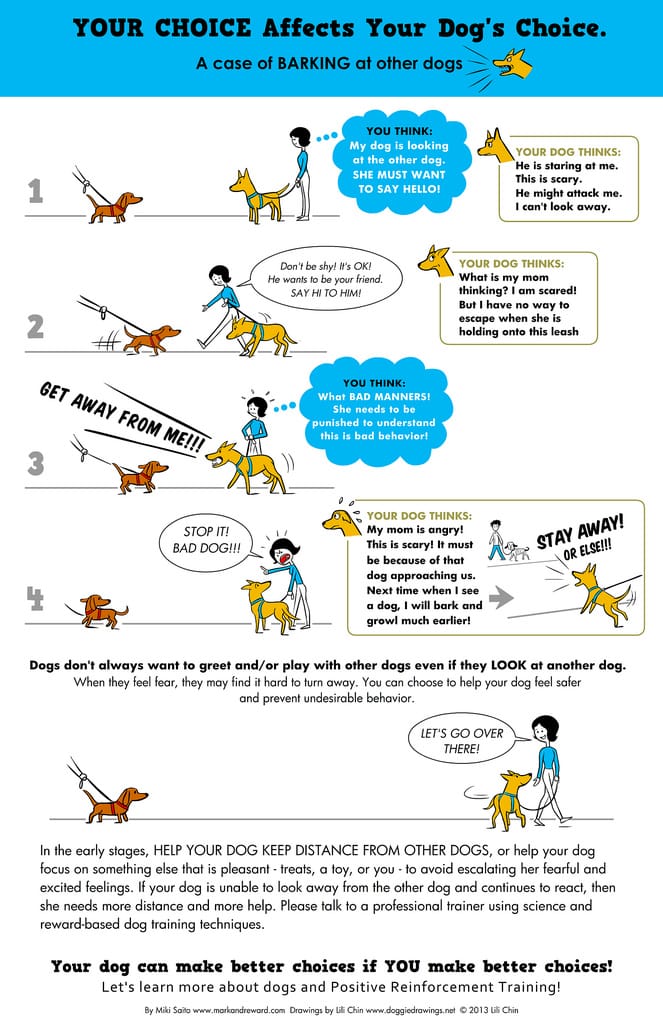
Dealing with a dog that barks excessively at other dogs can be a challenging but common issue for many pet owners. This article, drawing from a West LA dog training session, offers practical advice and techniques to help you understand and manage your dog’s barking behavior. By focusing on the underlying reasons for the barking and implementing positive reinforcement methods, you can foster a calmer and more confident dog.
Understanding the Root Cause of Barking
Before addressing the barking, it’s crucial to identify why your dog is vocalizing. As an experienced dog behavior expert, I’ve observed that many owners overlook their dog’s emotional state. Understanding the “why” is fundamental to changing the behavior. In the case of Cooper, a four-year-old Rhodesian Ridgeback, his barking stemmed from feeling uncomfortable around other dogs. Each time he barked and the other dog left, he learned that barking was an effective strategy. This session focused on transforming that learned behavior into a more positive response.
Positive Reinforcement Techniques to Curb Barking
A highly effective strategy to stop dog barking is to create positive associations with the triggers. When Cooper’s owner and I located another dog during our walk, I demonstrated how to use positive dog training methods to address his barking. The core principle is to manage the distance so your dog feels comfortable. By rewarding your dog with treats for looking at the other dog without barking, you begin to reshape their emotional response. This technique, often referred to as the engage disengage game, encourages your dog to practice being around other dogs calmly while you, the owner, manage the situation to ensure their comfort.
Another powerful method is counter-conditioning. This involves repeatedly offering your dog treats when they are in the presence of what makes them fearful, but at a distance where they don’t feel the need to react or bark. Both of these approaches are excellent for teaching a dog to stop barking at other dogs.
Practical Application and Long-Term Success
During our session, after demonstrating the techniques, I provided Cooper’s owner with additional tips. While the engage disengage game and counter-conditioning are effective, it’s important to manage your dog’s environment proactively. I recommended practicing avoidance by crossing the street or changing direction when seeing a dog, especially if you aren’t prepared to practice the engage disengage game. This prevents the dog from practicing the unwanted barking behavior.
It’s important to remember that these exercises can be emotionally demanding for your dog. We emphasized practicing in short, successful sessions. Prolonged training sessions that end in failure can be counterproductive. By the end of our training, Cooper was visibly tired from the emotional exertion, highlighting the intensity of this type of behavioral work. To ensure Cooper’s owner could retain all the helpful information, we recorded a summary video detailing the steps for success. This approach ensures owners have a clear roadmap for continuing the training at home. Consistent practice and understanding your dog’s emotional cues are key to achieving lasting results and helping your dog train dog come when called more reliably in various situations.
For owners seeking a comprehensive approach to dog behavior, exploring no nonsense dog training methods can provide valuable insights into building a strong bond and effective communication with your canine companion.
Conclusion
Stopping a dog from barking at other dogs involves understanding the root cause of the behavior and implementing consistent, positive training methods. By creating positive associations, managing distances, and practicing in short, successful sessions, you can help your dog feel more secure and less reactive around other dogs. Remember that patience and consistency are vital. If you’re struggling with barking or other behavioral issues, consulting with a professional dog trainer can provide personalized guidance and support to achieve your training goals.
