
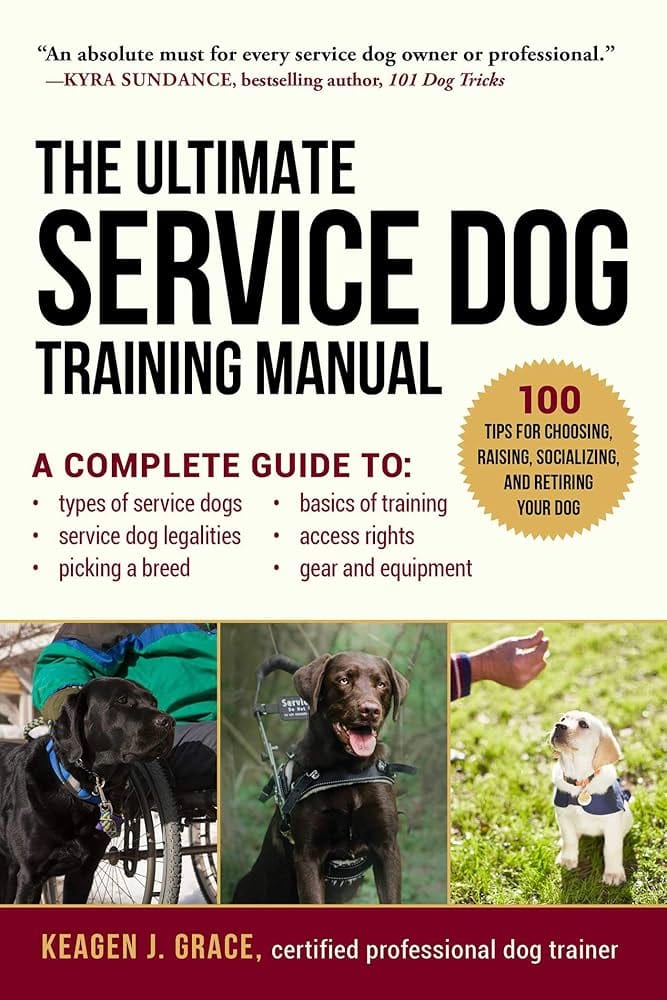
Embarking on the journey of training a service dog is a profound commitment, one that builds an unbreakable bond between a human and a canine partner. It’s a path that requires immense patience, consistency, and a deep understanding of both dog behavior and the specific needs of the handler. While the prospect may seem daunting, knowing how to train a dog for service can transform a loyal companion into a life-changing assistant. This guide will walk you through the essential steps, from selecting the right candidate to mastering the final public access skills.
The process is far more than teaching simple obedience; it’s about molding a reliable partner that can perform specific, crucial tasks in any environment. For those ready to undertake this rewarding challenge, understanding the foundational principles is the first step toward success. Many handlers find that a structured service dog training class can provide an excellent starting point for this journey.
Understanding What a Service Dog Truly Is
Before diving into training, it’s vital to understand the legal definition of a service dog. According to the Americans with Disabilities Act (ADA), a service animal is a dog that is individually trained to do work or perform tasks for a person with a disability. This is the key distinction that separates them from other types of assistance animals.
Service Dogs vs. Emotional Support Animals vs. Therapy Dogs
It’s a common point of confusion, but the roles are distinctly different:
- Service Dogs: Are trained to perform specific tasks to mitigate a handler’s disability, such as guiding a visually impaired person or alerting to a seizure. They are granted broad public access rights under the ADA.
- Emotional Support Animals (ESAs): Provide comfort and companionship just by their presence. They are not trained for specific tasks and do not have the same public access rights as service dogs.
- Therapy Dogs: Are trained with their owners to provide comfort and affection to people in facilities like hospitals, nursing homes, and schools. They do not have public access rights and only visit facilities by invitation.
Recognizing these differences is crucial for understanding the high standards and specific training required for a dog to earn the title of a service dog.
Can Any Dog Be a Service Dog?
While technically any breed can be a service dog, not every dog has the right temperament for the job. The personality and natural disposition of the dog are the most critical factors. An ideal candidate is calm, intelligent, and eager to please.
Look for a dog that is:
- Calm and Confident: Remains unfazed by loud noises, crowded spaces, or unfamiliar situations.
- Focused: Can ignore distractions like other people, animals, or food to stay attentive to its handler.
- People-Oriented: Is friendly and non-aggressive towards strangers but doesn’t actively seek attention while working.
- Adaptable: Handles new environments and changes in routine with ease.
Health is also a major consideration. A service dog must be physically sound and have the stamina to perform its duties. The dog’s size and energy should also align with the tasks it will be trained to perform.
The Core Pillars of Service Dog Training
Training a service dog is a multi-layered process that can be broken down into three fundamental pillars. Each one builds upon the last, creating a well-rounded, reliable partner capable of navigating the world and assisting its handler effectively.
Foundational Obedience
This is the bedrock of all training. Before a dog can learn complex tasks, it must have impeccable manners and respond flawlessly to basic commands. This includes sit, stay, down, come, and heel. These commands should be solid in a variety of environments, from a quiet living room to a bustling park.
Public Access Skills
A service dog must behave flawlessly in public spaces where pets are not typically allowed. This means no sniffing merchandise, begging for food, barking, or showing aggression. The dog must learn to remain unobtrusive, often tucking under a table at a restaurant or sitting quietly on public transport. Mastering public access is about teaching the dog to be “invisible” until it’s needed.
Disability-Specific Task Training
This is what officially qualifies a dog as a service animal. The dog must be trained to perform specific, identifiable actions that help mitigate the handler’s disability. This is the most personalized part of the training, tailored entirely to the individual’s needs. Understanding what are service dogs trained to do can provide clarity on the wide range of possibilities for task work.
How to Train a Dog for Service: A Step-by-Step Guide
Training a service dog is a marathon, not a sprint, often taking up to two years to complete. The process requires structure and consistency.
Step 1: Assess Your Dog’s Suitability
Begin with an honest evaluation of your dog’s temperament and health. If you are starting with a puppy, choose one from a breeder known for producing dogs with calm, steady temperaments. If you are considering a dog you already own, observe its reactions to new sights, sounds, and people. A professional trainer or canine behaviorist can provide a valuable, unbiased assessment.
Step 2: Master Basic and Advanced Obedience
Start with basic commands in a low-distraction environment, using positive reinforcement techniques like clicker training and treats. As the dog masters the basics, gradually increase the difficulty by practicing in more distracting environments. The goal is for the dog to respond reliably to your first command, every time.
Step 3: Socialization and Public Access Training
Socialization is about exposure, not interaction. The goal is to teach the dog to be neutral to its surroundings.
- Take your dog to various environments: busy streets, parks, pet-friendly stores.
- Expose it to different sounds, surfaces, and smells.
- Reward calm and indifferent behavior.
Once your dog is well-socialized and has solid obedience, you can begin public access training in pet-friendly locations, refining skills like heeling through aisles and holding a long ‘down-stay’.
Dr. Eleanor Vance, a leading canine behavior specialist, states: “The public access phase is the ultimate test of a dog’s focus and the handler’s control. It’s where all the foundational work comes together. A dog that can ignore a dropped piece of food in a busy food court to remain focused on its handler is a dog that is truly ready for the responsibility of service work.”
Step 4: Identify and Train Specific Tasks
First, identify the specific tasks that will help with your disability. This could be anything from retrieving dropped items to providing deep pressure therapy during a panic attack. For instance, specialized training like service dog training for POTS focuses on medical alert and response tasks crucial for that condition.
Break each task down into small, manageable steps. Use shaping and luring to teach the behavior, rewarding each small success until the dog can perform the full task on command.
Step 5: Practice for the Public Access Test
While not a legal requirement, many organizations have a Public Access Test standard. Training to meet these standards is a great way to ensure your dog is ready. The test typically assesses the dog’s ability to:
- Walk through a crowd.
- Behave in a restaurant.
- React appropriately to distractions.
- Perform obedience commands in public.
Professional Trainer vs. Owner-Training
Under the ADA, individuals have the right to train their own service dogs. Owner-training can build an incredibly strong bond, but it requires significant knowledge, time, and objectivity.
- Owner-Training: Offers a personalized approach but can be overwhelming. It’s crucial to seek guidance from professionals and be honest about your capabilities.
- Professional Training: Provides expertise and structure. This can be through a program that provides a fully trained dog or a trainer who guides you through the process. Many people find success with professional service dog training courses that offer a blend of guidance and hands-on work.
For many, a hybrid approach works best, where the owner does the day-to-day training with regular guidance from a professional. If you are in a specific location, seeking local help like service dog training Spokane WA can provide invaluable, in-person support.
Frequently Asked Questions (FAQ)
How long does it take to train a service dog?
Typically, it takes 18 to 24 months to train a dog from a puppy to a fully reliable service animal. The process involves over 120 hours of dedicated training, with a significant portion of that time spent practicing in public.
How much does it cost to train a service dog?
The cost can vary dramatically. A fully trained dog from an organization can cost upwards of $25,000. Owner-training can be less expensive upfront but still involves costs for vet care, food, gear, and professional consultations, which can amount to several thousand dollars over two years.
Do service dogs need to be certified or registered?
No. In the United States, the ADA does not require certification or registration for service dogs. Any entity that claims to provide an official “certification” is a scam. The legitimacy of a service dog is based on its training to perform tasks for a person with a disability.
Can I train my own dog to become a service dog?
Yes, you are legally allowed to train your own service dog. However, it’s critical to assess if your current dog has the right temperament and health for the demanding role. Not all pets are suitable for service work.
What is the first step I should take?
The very first step is a thorough and honest assessment of your needs and the dog’s potential. Consult with your doctor about how a service dog could assist you, and then consult with a professional canine behaviorist to evaluate your dog’s temperament for the work ahead.
A Partnership Forged in Trust
Knowing how to train a dog for service is about building a relationship based on communication, trust, and mutual respect. It’s a long and challenging road, but the destination is a partnership that provides independence, security, and unparalleled companionship. By dedicating yourself to a structured, positive, and patient training process, you can cultivate a canine partner that will not only change your life but also gracefully demonstrate the true spirit of the human-animal bond.
