
Bringing a new cat into your home is an exciting journey, and one of the first hurdles many new owners face is litter box training. It might seem straightforward, but understanding your feline friend’s instincts and providing the right environment can make all the difference. This guide will walk you through the essentials of how to train cats to use a litter box, ensuring a harmonious living situation for both you and your new companion. We’ll cover everything from choosing the right box and litter to troubleshooting common issues.
The Innate Instinct: Why Cats Naturally Gravitate Towards Litter Boxes
Cats are naturally clean animals with an instinct to bury their waste. This behavior stems from their ancestors who, in the wild, buried their droppings to avoid attracting predators and to keep their dens clean. Understanding this innate drive is the first step in successful litter box training. Your goal is to create an environment that mimics their natural inclination, making the litter box the most appealing option for them. This instinct is powerful, and with the right setup, most cats will readily adopt the litter box.
Setting Up for Success: The Essentials of a Cat-Friendly Litter Box
The foundation of successful litter box training lies in providing the right tools. This means selecting the appropriate litter box, litter, and placement.
Choosing the Right Litter Box
The size and type of litter box matter. For kittens, a box with lower sides is easier to access. As they grow, you’ll need a larger box. Most adult cats prefer an open litter box over a covered one, as it allows them to survey their surroundings and offers better ventilation. The box should be large enough for your cat to comfortably turn around and dig. A good rule of thumb is to choose a box that is at least 1.5 times the length of your cat.
Selecting the Ideal Litter
The texture and scent of the litter are crucial. Most cats prefer unscented, clumping, clay-based litters. Avoid litters with strong perfumes, as these can be off-putting to a cat’s sensitive nose. Some cats have preferences for different textures, so you might need to experiment with a few types before finding one your cat loves. Once you find a litter your cat accepts, try to stick with it to avoid confusion.
Strategic Litter Box Placement
Where you place the litter box is as important as the box itself. It should be in a quiet, low-traffic area where your cat feels safe and undisturbed. Avoid placing it near their food and water bowls, as cats naturally want to keep their elimination areas separate from their dining areas. Ensure easy accessibility; the box should never be blocked by doors or other obstacles. For multi-story homes, consider placing a litter box on each floor.
The Litter Box Training Process: Step-by-Step
Once your litter box setup is ready, you can begin the training process.
Introduction to the Litter Box
When you first bring your cat home, or when introducing a new litter box, gently place your cat inside it. Let them explore and get comfortable. You can also gently take their front paws and make a digging motion in the litter to demonstrate its purpose. Don’t force them; a gentle introduction is key.
Establishing a Routine
Take your cat to the litter box at key times: after waking up, after meals, and before bedtime. If you see your cat exhibiting signs of needing to eliminate, such as squatting, sniffing the ground intently, or scratching at the floor, gently guide them to the litter box. Positive reinforcement is vital; praise your cat or offer a small treat when they use the box successfully.
Keeping it Clean: The Key to Consistent Use
Cats are fastidious creatures, and a dirty litter box is a common reason for accidents. Scoop the litter box at least once a day, and ideally twice. Completely empty and clean the litter box with mild soap and water at least once a week to prevent odor buildup and keep it appealing for your cat. Avoid using harsh chemicals or ammonia-based cleaners, as the smell can deter your cat.
Troubleshooting Common Litter Box Issues
Even with the best intentions, you might encounter some challenges. Here’s how to address them:
Accidents Outside the Box
If your cat has an accident, don’t punish them. Punishment can create fear and anxiety, making the problem worse. Clean the accident area thoroughly with an enzymatic cleaner to eliminate any lingering odors that might attract your cat back to the same spot. Investigate the cause: Is the box clean enough? Is the litter acceptable? Is the location stressful?
Sudden Refusal to Use the Box
A sudden change in litter box habits can indicate an underlying issue. It could be a medical problem, such as a urinary tract infection or constipation. If you suspect a health issue, consult your veterinarian immediately. If a medical cause is ruled out, consider environmental factors: a new pet, a change in household routine, or a new cleaning product could be the culprit.
Spraying vs. Urinating
It’s important to distinguish between spraying and urinating outside the box. Spraying is typically a territorial marking behavior, where a cat stands and sprays a small amount of urine on a vertical surface. Urinating outside the box usually involves squatting and a larger volume of urine. Neutering or spaying can often resolve spraying issues. For persistent spraying, behavioral consultation may be necessary.
Beyond the Basics: Enhancing Litter Box Habits
Sometimes, simple adjustments can make a big difference.
The Power of Multiple Litter Boxes
For multi-cat households, the general rule is to have one litter box per cat, plus an extra one. This reduces competition and ensures that each cat has a clean and available option. For example, if you have two cats, you should have three litter boxes. This simple strategy can prevent many territorial disputes and litter box aversion issues. It’s a small investment for a much more peaceful home.
Considering Cat Behavior and Preferences
Observe your cat’s body language and preferences. Do they seem hesitant to enter the box? Do they dig excessively or, conversely, avoid digging? These behaviors can offer clues to what they might be experiencing. Some cats prefer deeper litter, while others like it shallower. Pay attention to these subtle cues to fine-tune your litter box strategy.
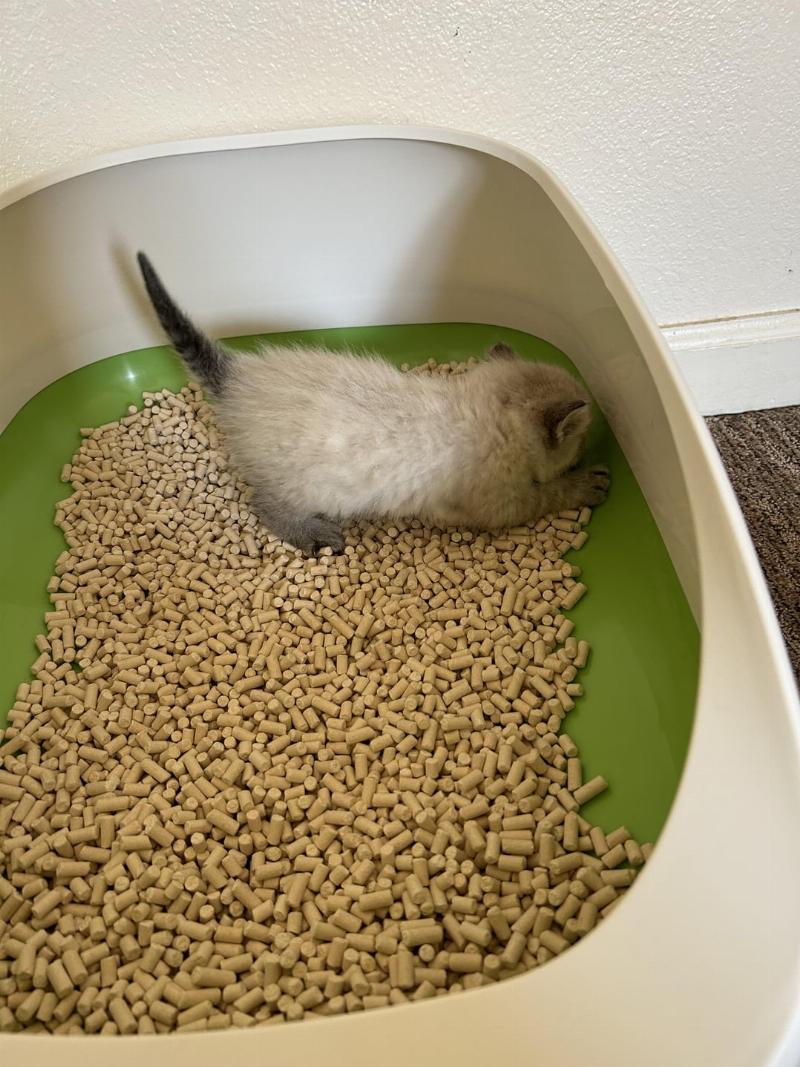 adorable-kitten-learning-to-use-litter-box-correctly
The Benefits of a Well-Trained Cat
Successful litter box training not only leads to a cleaner home but also fosters a stronger bond between you and your cat. A cat that feels secure and understands the household rules is generally happier and more relaxed. This understanding extends to other aspects of training and care. For instance, understanding how to train cats to use a litter box provides a solid foundation for teaching them other behaviors. It’s a testament to your patience and your cat’s intelligence. If you’re curious about other training aspects, you might find resources on how to train your dragon cat surprisingly insightful, as many principles of positive reinforcement apply across species.
Addressing Specific Scenarios
In some cases, you might encounter unique situations. For example, if you’re trying to transition a cat from outdoor elimination to indoor use, patience and positive reinforcement are key. Similarly, if you have a kitten that needs to be potty trained, starting with a smaller box and gradually increasing its size as they grow is recommended. The principles of consistency and positive association remain paramount. For those dealing with multiple pets, understanding how to manage their needs is crucial. Learning about trained dogs and cats can offer valuable perspectives on inter-species household dynamics and training strategies.
Long-Term Litter Box Maintenance
Maintaining a clean litter box is an ongoing commitment. Don’t let the routine slide, especially during busy periods. Regular cleaning prevents issues before they start and ensures your cat remains happy and comfortable using their designated facilities. This consistent care is a vital part of responsible cat ownership, reinforcing the trust and bond you share.
Frequently Asked Questions About Litter Box Training Cats
Q1: How long does it typically take to litter box train a cat?
A1: Most kittens and cats learn to use a litter box within a few days to a week with consistent positive reinforcement and a proper setup. Some may take a little longer, depending on their age and past experiences.
Q2: Should I use a covered or uncovered litter box?
A2: Most cats prefer uncovered litter boxes as they offer better ventilation and allow them to see their surroundings. However, some cats may prefer the privacy of a covered box. It’s often best to try an open box first.
Q3: My cat is digging excessively in the litter box. Is this a problem?
A3: Excessive digging is usually a sign that your cat is trying to bury their waste thoroughly, which is a natural instinct. Ensure the litter depth is adequate and the box is clean. If it becomes a compulsive behavior, consult a vet or behaviorist.
Q4: My cat sometimes eliminates right next to the litter box. What does this mean?
A4: This can indicate a preference issue with the box, litter, or location, or it might signal a medical problem. Ensure the box is always clean and consider trying a different type of litter or a slightly different location. If it persists, a vet visit is recommended.
Q5: Can I use scented litter?
A5: It’s generally best to avoid scented litters. Cats have a strong sense of smell, and artificial fragrances can be overpowering and deter them from using the box. Unscented, clumping litter is usually the safest bet.
In conclusion, mastering litter box training for cats is an achievable goal that relies on understanding feline instincts, providing the right environment, and maintaining consistency. By following these guidelines, you can ensure your cat uses their litter box reliably, leading to a happier, cleaner, and more harmonious home for everyone. Remember, patience and positive reinforcement are your greatest tools in this process.
