
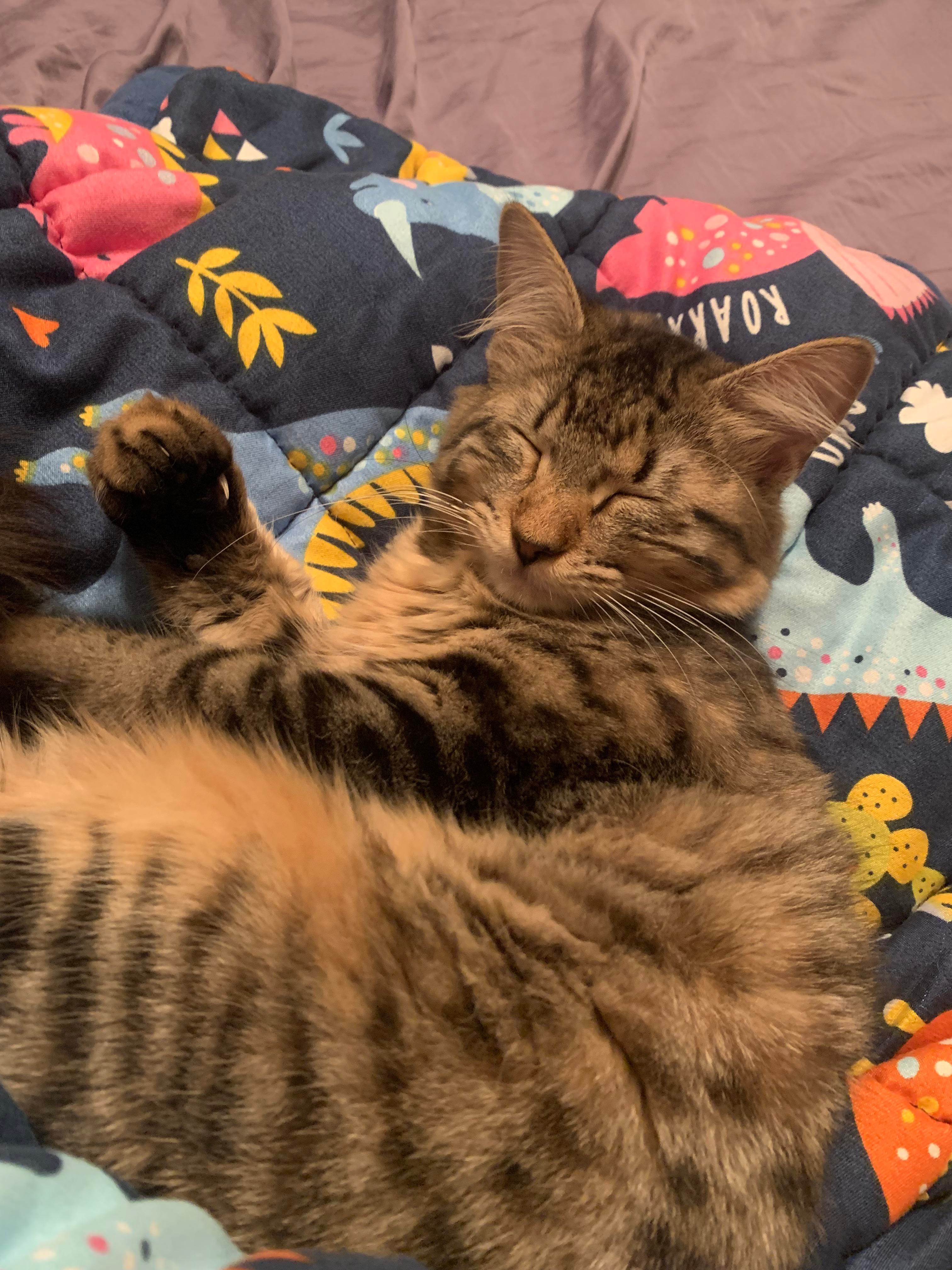
Do you find yourself frequently woken by your feline companion at inconvenient hours? Perhaps your cat is suddenly active, chasing imaginary prey or demanding attention the moment you settle into bed. Understanding your cat’s natural behaviors is the first step towards establishing a more harmonious sleep schedule for both of you.
Cats are not strictly nocturnal, but rather crepuscular, meaning they are most active during dawn and dusk. This natural inclination often clashes with human diurnal sleep patterns. In the wild, these active periods align with the activity of prey animals, making it an ideal time for hunting. Domesticated cats largely retain these instincts, often sleeping in short bursts throughout the day and night, with peak activity occurring when their human companions are trying to rest. This can lead to your cat waking you up for play or attention when you’re least expecting it.
Understanding Your Cat’s Sleep Schedule
The natural activity cycle of cats means they are predisposed to being more alert and energetic during the very times we humans are trying to wind down and sleep. While some individuals may adapt, many cats will maintain their crepuscular habits. On average, cats sleep around 18 hours a day, distributed in numerous short naps. This means they will naturally have periods of wakefulness during the night and early morning, which can directly interfere with your sleep.
Strategies to Encourage Your Cat to Sleep at Night
While it can be challenging to completely alter a cat’s ingrained sleep patterns, several strategies can help encourage them to align better with yours.
Engage Your Cat in Evening Playtime
A primary reason cats may disturb your sleep is a lack of sufficient activity and mental stimulation during the day. Implementing a routine of active play in the evening can help expend their energy, making them more likely to settle down for the night. Engaging toys like laser pointers, feather wands, or even interactive games such as fetch can be highly effective. Aim to keep your cat actively engaged for a significant portion of the evening. This pre-bedtime exertion can lead to them feeling tired and ready to sleep when you are. Playing games with your cat is a crucial part of managing their energy levels.
Provide Enrichment While You’re Away
If your cat spends the day alone, boredom and loneliness can contribute to their nighttime restlessness. To combat this, consider providing stimulating activities and environmental enrichment that can keep them occupied during the day. This might include nature television programs, puzzle feeders that dispense food as a reward for manipulation, or smart treat dispensers that offer periodic rewards.
Using food as a reward is an excellent way to keep cats engaged, but it’s vital to manage their intake carefully. Consult your veterinarian for a recommended daily caloric intake and divide their food into several small meals throughout the day. Using wet food, which generally has fewer calories per volume than dry food, can be beneficial in managing weight while still allowing for use of dry food in puzzle toys. Canned food has fewer calories per volume than dry food, so consider this when planning your cat’s meals.
Offer a Small Pre-Bedtime Meal
Similar to humans, cats often feel sleepy after eating. Offering a small, easily digestible meal right before your bedtime can encourage them to settle down for a nap. If your cat is accustomed to waking you for early morning meals, an automatic pet food feeder can be programmed to dispense food at specific times, potentially reducing their need to solicit attention from you.
Establish Designated Sleeping Areas
If your cat’s nighttime activity continues to be disruptive, you may need to establish clear boundaries. Designating a comfortable and appealing space for your cat to sleep can be beneficial. This area should be equipped with their food, water, a litter box, and some quiet toys. This provides them with a secure and enriching environment for the night while allowing you to have uninterrupted sleep.
Avoid Rewarding Unwanted Behavior
It’s crucial not to inadvertently reinforce your cat’s nighttime demands. If your cat wakes you for attention, play, or food, and you respond by getting up, you are teaching them that this behavior yields results. Pushing away a kitten that is pouncing on you can be perceived as play, and giving in to early morning food requests teaches them persistence pays off. As difficult as it may be, ignoring these demands and focusing on preventative measures is key. However, a sudden increase in neediness in older cats warrants a veterinary check-up.
Be Patient and Consistent
Changing a cat’s sleep habits requires patience, consistency, and understanding. Punishment is not an effective or humane method. Kittens may take time to establish healthy routines, and adult cats may need support to modify ingrained behaviors. Remember that older cats exhibiting sudden changes in behavior should always be examined by a veterinarian to rule out underlying medical conditions. With consistent effort and a focus on positive reinforcement, it is possible for both you and your feline friend to enjoy peaceful nights together.
Disclaimer: The information provided here is for general knowledge and informational purposes only, and does not constitute medical advice. It is essential to consult with a qualified veterinarian for any health concerns or before making any decisions related to your pet’s health or treatment.
