
Cats scratching furniture is a common and frustrating problem for many pet owners. It’s an instinctual behavior that cats cannot stop, but with the right approach, you can redirect this natural urge onto appropriate scratching surfaces. Understanding why cats scratch and providing them with suitable alternatives is key to saving your sofa and keeping your feline friend happy.
Why Do Cats Scratch?
Scratching is more than just a way for cats to sharpen their claws; it serves several important purposes in their lives.
- Claw Maintenance: Cats scratch to remove the dead outer layer of their claws, keeping them sharp and healthy.
- Stretching: The act of scratching allows cats to stretch their bodies, including their back, legs, and shoulders.
- Marking Territory: Cats have scent glands in their paws, and scratching leaves both a visual mark and a scent message, communicating their presence to other cats.
- Stress Relief and Excitement: Sometimes, cats scratch when they are excited, anxious, or simply to relieve stress.
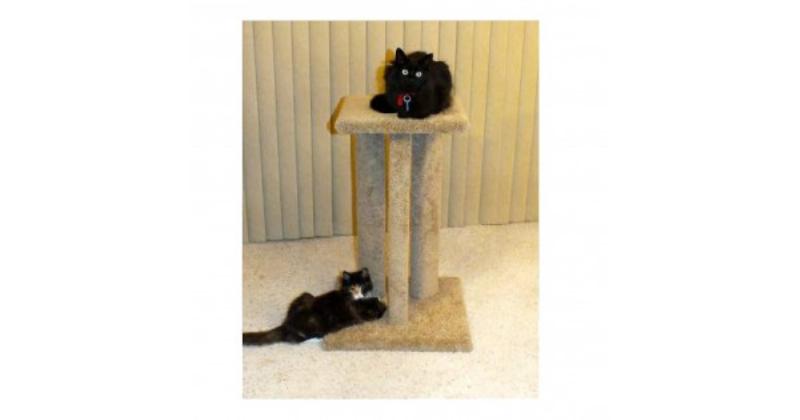 Alt text: A cat energetically scratching a sturdy sisal rope scratching post, demonstrating natural behavior.
Redirecting the Scratching Behavior
The goal isn’t to stop your cat from scratching, but to teach them what to scratch. This involves a multi-faceted approach.
Provide Ample Scratching Posts
The most crucial step is to offer a variety of scratching options. Cats have preferences, so offering different types will increase the chances of them choosing the right one.
- Material: Sisal rope, cardboard, carpet, and wood are popular materials. Many cats prefer sisal rope due to its texture.
- Type: Vertical posts, horizontal scratchers, angled scratchers, and even cardboard scratch pads are available.
- Stability: Ensure the scratching post is tall and sturdy enough to prevent it from tipping over when your cat uses it. A wobbly post will deter them.
- Placement: Place scratching posts in prominent areas where your cat likes to spend time, especially near their favorite sleeping spots and areas where they currently scratch furniture. Don’t hide them away in a corner.
Make Furniture Less Appealing
While encouraging the use of scratching posts, you also need to make your furniture less attractive for scratching.
- Deterrents: Cover the furniture your cat scratches with materials they dislike, such as double-sided sticky tape, aluminum foil, or plastic sheeting. These textures are generally unappealing to cats.
- Scent Deterrents: You can also use commercial cat repellent sprays (citrus or pheromone-based are often effective) on furniture, but test them in an inconspicuous area first.
Encourage Use of Scratching Posts
Simply providing posts isn’t always enough; you might need to encourage your cat to use them.
- Play: Use interactive toys, like feather wands, to entice your cat to play near the scratching post. Drag the toy up the post to encourage climbing and scratching.
- Catnip: Sprinkle catnip on the scratching post to make it more attractive.
- Praise and Rewards: When you see your cat scratching the post, offer praise, gentle petting, or a small treat. Positive reinforcement is highly effective.
What Not to Do
Certain methods can be counterproductive or even harmful to your cat.
- Punishment: Never scold, hit, or spray your cat with water when you catch them scratching furniture. This will only make them fearful of you and may lead to increased anxiety and behavioral problems. They won’t understand why they are being punished.
- Declawing: Declawing is a surgical procedure that involves amputating the last bone of each toe. It is a painful procedure with potential long-term physical and behavioral consequences, including chronic pain, litter box issues, and increased biting. Many veterinary organizations and animal welfare groups strongly oppose declawing.
Training Your Cat: A Step-by-Step Approach
If your cat is persistent in scratching furniture, here’s a structured approach:
- Observe: Identify what your cat is scratching (e.g., the corner of the sofa, a rug) and when (e.g., after waking up, when excited). This information helps in choosing the right alternatives.
- Acquire Variety: Purchase several types of scratching posts and pads. Consider different materials, orientations (vertical, horizontal), and heights.
- Strategic Placement: Position new scratching posts near the furniture your cat is currently scratching. Also, place them in areas where your cat frequently naps or spends time.
- Make Posts Irresistible: Sprinkle catnip on the posts, or use a Pheromone spray specifically designed to attract cats to the posts.
- Make Furniture Unappealing: Apply double-sided tape, aluminum foil, or scent deterrents to the scratched areas of your furniture.
- Positive Reinforcement: Lavish praise and offer treats whenever your cat uses the designated scratching posts. Play with them near the posts to create positive associations.
- Consistency is Key: This process takes time and patience. Don’t get discouraged if you don’t see immediate results. Keep redirecting your cat gently and consistently.
For more in-depth guidance on feline behavior, understanding their instincts is crucial. Much like how to train my cat involves understanding their natural tendencies, so does managing scratching.
Addressing Specific Scenarios
Kittens vs. Adult Cats
Kittens often scratch more out of exploration and play. Providing them with engaging scratching options from a young age is vital. Adult cats may have established habits, so patience and consistent redirection are even more important. The principles of providing alternatives and making furniture unappealing apply to both.
Scratching After Waking Up
This is a common time for cats to scratch as it helps them stretch and mark their territory after a period of rest. Ensure a scratching post is readily available in or near their favorite napping spots.
Scratching When Excited or Stressed
If your cat scratches when they are anxious or overstimulated, consider their environment. Providing a safe, quiet space, and using calming pheromone diffusers might help. Interactive play sessions can also help them burn off excess energy. If you’re interested in training techniques that can help manage anxiety, you might find information on how to train your cat to use toilet to be indirectly relevant, as it often involves understanding a cat’s comfort and routine.
Frequently Asked Questions About Cat Scratching
Q: How long does it take to train a cat not to scratch furniture?
A: Training a cat takes time and patience. Some cats adapt quickly, while others may take several weeks or months of consistent redirection and positive reinforcement. Every cat is different.
Q: Can I trim my cat’s nails to stop furniture scratching?
A: Trimming your cat’s nails can help reduce damage, but it won’t stop the scratching behavior itself, as it’s instinctual. Regular nail trims (every 2-4 weeks) can be a complementary strategy alongside providing scratching posts.
Q: What if my cat scratches aggressively?
A: Aggressive scratching might indicate underlying stress or anxiety. Ensure you have provided appropriate scratching outlets and try to identify potential stressors in their environment. If the behavior is extreme or sudden, consult your veterinarian or a certified cat behaviorist.
Q: Are there any natural remedies to deter cats from scratching furniture?
A: Citrus scents (like orange or lemon peels) are often disliked by cats and can be used as a natural deterrent around furniture. However, ensure they are placed safely and not ingested by your cat. Pheromone sprays also work naturally by mimicking calming feline scents.
Q: Should I use a scratching post or a scratching pad?
A: Offering both is ideal. Some cats prefer vertical scratching posts, while others enjoy horizontal or angled pads. Variety increases the chances of your cat finding a preferred surface.
Conclusion: A Harmonious Home for You and Your Cat
Teaching your cat to avoid scratching furniture is achievable with understanding, patience, and the right tools. By providing appealing alternatives, making your furniture less attractive, and using positive reinforcement, you can successfully redirect your cat’s natural instincts. This not only saves your belongings but also strengthens the bond between you and your feline companion, ensuring a harmonious home for everyone. Remember, consistency and a bit of creativity go a long way in understanding and managing your cat’s needs.
