
Bringing a new kitten into your home is an exciting time, but it also comes with the responsibility of teaching them proper behavior. While playful nips and scratches can be expected from an energetic young cat, it’s crucial to redirect these behaviors early on. Teaching your kitten not to scratch or bite you while they are young ensures you can enjoy a friendly, injury-free playtime for years to come. This guide will walk you through effective methods to train your kitten, focusing on redirecting their natural instincts and reinforcing positive interactions.
Redirect Playful Energies to Toys, Not Hands
Kittens have a natural instinct to pounce and play, which can sometimes be directed towards your hands and feet. It’s essential to establish early on that only toys are appropriate targets for their playful attacks. If your kitten starts to grab or chew on your hands or feet, react with a firm “no!” and immediately redirect their attention to an appropriate toy. To further reinforce this, avoid using your hands or feet as playthings. Always opt for toys, preferably those that keep a safe distance between you and your kitten, such as feather wands, balls, or stuffed toys. This distinction helps your kitten understand acceptable play boundaries.
 Kitten playing with a toy mouse
Encourage Use of a Scratching Post
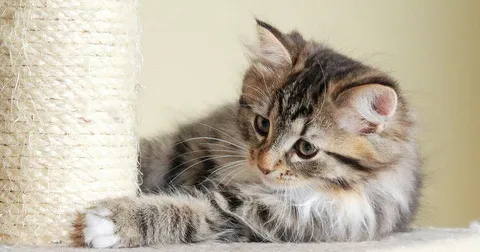
Scratching is a fundamental behavior for cats, serving purposes like stretching their claws, marking territory, and even practicing hunting skills. Play aggression, which includes using claws, is normal. However, if your kitten directs this practice towards you, it’s vital to redirect them to their scratching post or designated toys. Signs that your kitten is preparing to pounce and scratch include dilated pupils, a tail moving rapidly back and forth, and ears flattened against their head. Ensuring each cat in your household has access to at least one scratching post (ideally one extra) is key to managing their scratching needs and redirecting this natural behavior away from furniture and people.
 Kitten actively using a scratching post
Immediate Intervention for Biting and Scratching
If your kitten exhibits excessive aggression, biting, or scratching, it’s crucial to teach them that such behavior is unacceptable. The moment these actions occur, stop all interaction and play immediately. Step away from your pet and out of their reach. Do not offer attention or rewards during these moments.
Walking away, ignoring your kitten, and leaving them to calm down without any interaction for about 5 to 10 minutes is highly effective. This teaches them that aggressive behavior leads to the withdrawal of attention. Consistency is key; applying this method every time aggression occurs will help your kitten learn. This approach is particularly effective for kittens still in their developmental learning phase. For adult cats, this method works best with those who are affectionate and will miss your attention. Remember that cats respond best to positive reinforcement, so maintaining a calm and patient demeanor throughout the training process is essential.
Utilize Your Voice for Communication
Your voice is a powerful tool in communicating your feelings to your pet. When your cat nips you, use a sharp, clear command like “no!” or “ouch!” This vocal cue, combined with ignoring the unwanted behavior, reinforces that you are displeased. Crucially, never shout at your cat. Always use a calm tone and refrain from losing your temper, as an angry reaction can make your cat fearful or anxious, potentially worsening their behavior.
After a brief cool-down period, you can resume play. Continue using your voice to praise calm and good behavior. Always reward positive interactions and be prepared to stop play if your kitten becomes overly excited or rough.
 A group of cute kittens
Establish Daily Play Routines
A consistent routine is vital for a cat’s well-being. Engaging in daily play sessions, ideally 10 to 15 minutes twice or thrice a day, helps your cat bond with you, feel secure and happy at home, and expend excess energy. Teaching your kitten how to play calmly is an integral part of your relationship. By reinforcing good play behaviors and consistently ignoring unwanted ones, your kitten will learn appropriate interaction skills.
Avoid Reinforcing Undesirable Behaviors
It might be tempting to continue playing or fussing with your kitten after they bite or scratch, but this attention can inadvertently reinforce these actions, signaling that they are acceptable. In some cases, cats may even resort to biting or scratching specifically to gain attention. Instead, always disengage and ignore your cat immediately when unwanted behavior occurs.
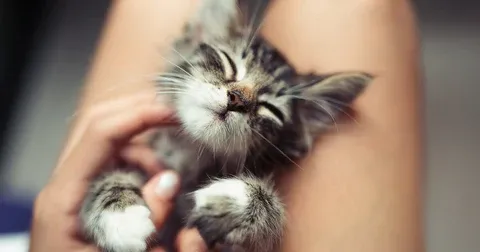
 Kitten in a relaxed pose
Rule Out Health Issues
If biting or scratching persists, or if your cat displays unusual aggression, it’s essential to consult a veterinarian. Pain or illness can make a cat feel defensive, increasing their likelihood of attacking. A health check can rule out any underlying medical conditions contributing to the behavior.
Cultivate a Calm Environment
A stressed or anxious kitten may be more prone to biting and scratching. Creating a calm and secure environment is crucial for their emotional well-being. Ensure your kitten has adequate resources, including hiding spots, easy access to food, water, litter boxes, and scratching posts. Maintain a regular schedule for meals and playtime, and minimize sudden loud noises or significant changes in the household.
Consider using a diffuser, such as the FELIWAY Optimum diffuser, in the area where your cat spends the most time. These diffusers can help promote a calmer atmosphere and are recommended for reducing behaviors like scratching, spraying, and hiding.
By implementing these training strategies consistently and patiently, you can help your kitten develop into a well-behaved and affectionate companion.
