
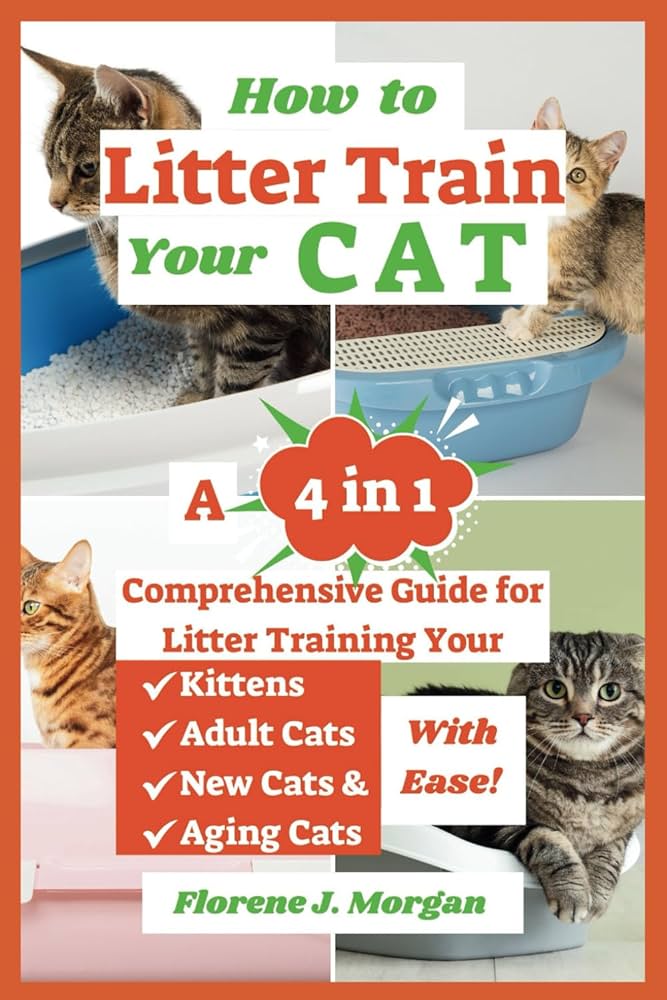
A clean and inviting litter box is fundamental to a cat’s well-being and a valuable tool for owners to monitor their pet’s health daily. Cats are naturally meticulous creatures, and with a thoughtful approach encompassing patience, privacy, and planning, litter box training can lead to a lifetime of success. Understanding their innate instincts and behaviors is key to facilitating this process.
When to Begin Litter Box Training
It is a natural behavior for cats to bury their waste, an evolutionary adaptation that historically concealed their presence from predators and prey. Kittens often learn to use a litter box by observing their mothers. Litter box training can commence at any age; for those who have recently welcomed a senior feline into their home, it’s never too late to teach an old cat new tricks.
Essential Supplies for Litter Box Training
When adopting a new cat or kitten, it’s advisable to start with the same type of litter they are accustomed to. If they have no prior litter box experience, you’ll need to acquire the essentials: an open or closed litter box (or both, depending on your cat’s preference), a scoop, and a litter substrate that your cat finds comfortable under their paws. This may involve some experimentation, but generally, unscented cat litter made from recycled paper pellets, or sandy or clay-based litters in an open litter box, are good starting points. The litter box should allow your pet to enter and exit easily. Aim for a litter depth of at least 6 cm, enabling your cat to bury their waste effectively. If introducing a new litter, do so gradually over a few days to avoid stressing your cat.
The Rule of Thumb: One Litter Box Per Cat, Plus One
A household with a single cat should have at least two litter boxes, a household with two cats needs three, and so on. Place these boxes in different, quiet, and private areas where the cat won’t be disturbed while toileting. Litter boxes should be physically separated, not clustered together in one spot. This arrangement ensures that each cat has an available option at all times, mitigating potential conflict or the fear of conflict with other felines. Avoid placing litter boxes near your cat’s sleeping area, food and water bowls, or noisy appliances like washing machines. Keep them away from overly curious dogs and young children. Ensure every level of your home has at least one litter box, and maintain consistent locations to minimize stress caused by frequent repositioning.
Some cats prefer covered litter boxes, while others favor open ones. Crucially, the litter box must be large enough for your cat to comfortably dig, turn around, and squat. A general guideline is at least 1.5 times your cat’s length (nose to tail). For an average cat of 50cm, the litter tray should be at least 75cm long. Higher sides can pose a challenge for some cats, so ensure accessibility. A larger tray is always preferable to one that is too small.
Daily scooping of soiled litter is essential, as a dirty box will be avoided. Thoroughly clean and wash litter trays, replacing the litter completely at least once a week. For a detailed guide on maintaining a clean litter box, you can refer to our article on how to get your cat to poop in litter box.
When to Consult Your Veterinarian
If you observe your cat toileting or urinating outside the litter box, or if there are noticeable changes in their urine or feces, schedule a veterinary check-up immediately. Straining or difficulty defecating or urinating on the litter box can signal a critical bladder outflow blockage requiring urgent veterinary attention, as this can be life-threatening. Likewise, blood in the urine or feces, or signs of constipation or diarrhea, warrant a vet visit. Sudden litter box avoidance can often indicate an underlying medical issue that requires professional diagnosis and treatment.
Stress can also lead to changes in litter box habits or urine spraying. If your cat changes their litter box habits or begins spraying urine indoors, seeking veterinary advice is crucial. Your veterinarian can help identify the root cause and develop a strategy to manage stress, which significantly impacts a cat’s well-being and can lead to health problems. Feline pheromones (available as plug-in diffusers or sprays) can be beneficial for anxious cats. In some instances, consulting a veterinary behaviorist may also be recommended.
The Importance of Patience
Patience is paramount when training your cat or kitten to use the litter box. Never scold or punish them for accidents; instead, focus on providing ample clean litter boxes with the appropriate litter type and always consult your veterinarian if you have any concerns. Encourage your cat or kitten to use the litter box by placing them in it after meals and gently scratching the litter to stimulate their interest. Afterward, grant them privacy and offer praise when they have successfully used the tray. For further guidance on establishing good habits, explore our resource on house training a kitten.
Addressing Special Needs
Elderly cats, or those with arthritis or mobility issues, such as a missing limb, may benefit from litter boxes with lower sides and non-slip mats around them. For less mobile cats who may not be able to travel far to toilet, ensure several litter trays are conveniently located near their preferred resting spots. In multi-level homes or apartments, at least one litter box per level is essential.
Download the Successful litter-tray training for cats [Checklist]
Ensuring Your Cat’s Comfort
Understanding a cat’s natural behaviour and how to foster a sense of security at home are areas where your veterinarian can provide valuable assistance. The RSPCA offers a highly recommended guide, “Safe and Happy Cats,” for all cat owners. Unexpected events can occur even with the most well-cared-for pets, and pet insurance can help manage veterinary costs for eligible illnesses or accidents. If you consider RSPCA Pet Insurance, a portion of your first-year premium contributes to supporting the RSPCA’s vital work.
