
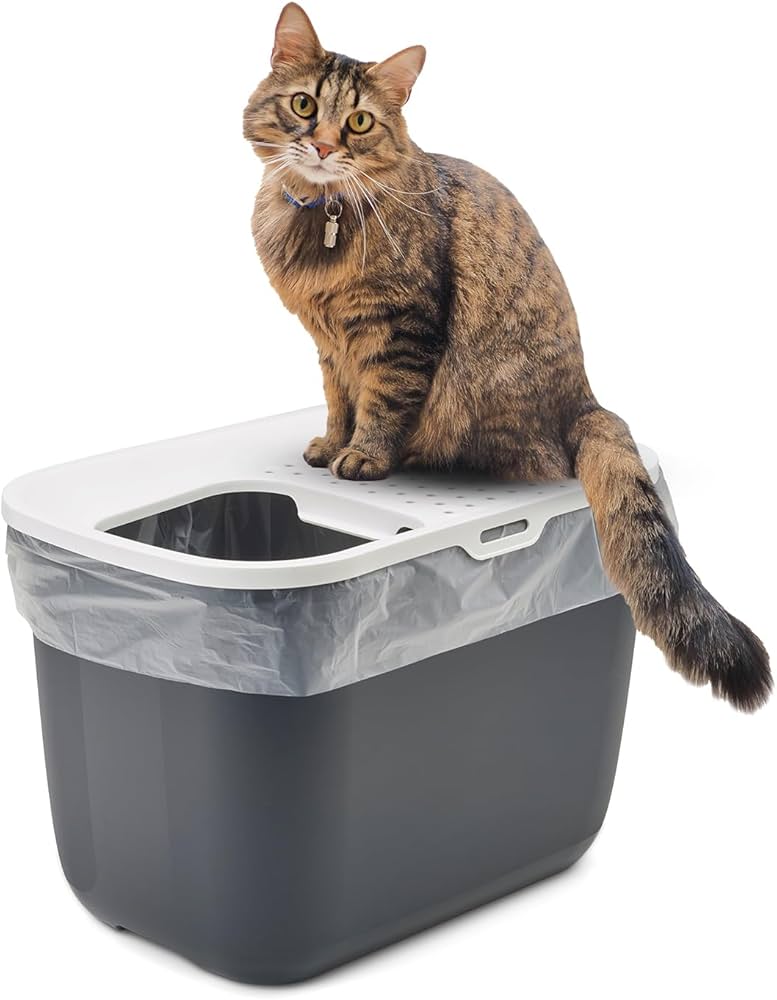
Transitioning your feline friend to a new type of litter box, especially a top-entry design, can initially spark apprehension in pet owners. However, with a strategic approach, most cats adapt remarkably well. This guide will walk you through the process, offering practical tips to ensure a smooth and successful switch for your cat.
The idea of a top-entry litter box might seem counterintuitive, but these designs offer significant benefits, such as reducing litter scatter and containing odors. While it’s natural to worry if your cat will understand this new setup, especially if they’re accustomed to traditional boxes, their innate curiosity and adaptability often surprise us. The key is to make the transition as seamless as possible, leveraging their existing routines and preferences.
Encouraging Your Cat to Embrace a Top-Entry Litter Box
Making the switch to a top-entry litter box doesn’t have to be a complicated ordeal. By understanding your cat’s behavior and implementing a few key strategies, you can significantly increase the chances of a positive outcome. Remember, patience and consistency are your greatest allies during this period.
1. Maintain Consistency with Litter Type
When introducing a new litter box, it’s crucial to avoid changing the litter at the same time. Cats form strong associations between scents and their elimination areas. If your cat is used to a particular type of litter, they will likely recognize and feel comfortable using it. Introducing a new litter simultaneously with a new box type can create confusion and resistance. Therefore, prioritize keeping the litter the same to help your cat accept the new box more readily.
2. Incorporate Old Litter into the New Box
A simple yet effective technique is to mix a small amount of your cat’s old litter with the new litter in the new litter box. This subtle approach helps your cat recognize their familiar scent, signaling that the new box is a safe and approved place for their needs. This scent association can greatly reduce any hesitation your cat might feel about using an unfamiliar facility.
3. Preserve the Litter Box’s Original Location
Cats are creatures of habit, and the location of their litter box is often a significant factor in its use. If possible, place the new top-entry litter box in the exact same spot where the old one was situated. This helps your cat maintain the mental map they have of their territory and understand that this “spot” is still designated for their bathroom needs. If you must move the box, consider doing so only after your cat has fully adapted to the new one.
4. Remove the Old Litter Box from Access
To firmly encourage the use of the new top-entry box, it’s essential to remove the old, traditional litter box from your cat’s reach. If you have a garage or another area your cat cannot access, this is an ideal place to store the old box temporarily. Alternatively, you can keep it in a closed room. Cats are remarkably persistent when it comes to their routines, so ensuring the old box is completely unavailable is a vital step in the transition process.
5. Familiarize Your Cat with the New Box
Gently introduce your cat to the new litter box. You can place them next to it, or even carefully on top of the lid, to help them get accustomed to its presence and dimensions. Holding them near or over the box for a short period can also help them associate it with their toileting area. This gentle exposure aims to reassure them that the new box is safe and intended for their use.
6. Allow Your Cat Time to Adjust Independently
After implementing the initial steps, give your cat a couple of days to explore and use the new litter box on their own. Resist the urge to constantly hover or try to force them into using it. Many cats will successfully navigate the top-entry design without extensive intervention. This period of independent exploration allows them to adapt at their own pace.
7. Addressing Persistent Hesitation
In rare cases where your cat continues to show significant reluctance, you might consider more direct, albeit gentle, methods. Some owners have used small rewards, like treats, placed strategically to encourage exploration. However, it’s important to be cautious and avoid creating negative associations, such as associating food with the litter box area. The primary goal is to make the new box a positive and accessible option.
8. Trust Your Cat’s Instincts
Ultimately, most cats are far more adaptable than we give them credit for. If they can smell their familiar litter and the new box is their only option, they will likely figure it out. Cats are naturally adept at navigating confined spaces. By remaining calm and trusting their instincts, you can alleviate your own anxiety and allow your cat the space it needs to adjust successfully.
Transitioning to a top-entry litter box can be a positive change for both you and your cat, leading to a cleaner and more manageable environment. By following these steps and understanding your cat’s perspective, you can ensure a smooth and successful adoption of their new facilities.
