
Wondering how to train a cat to go outside and return home, whether they’re gazing longingly out the window or you’re considering granting them more freedom? It’s a common question for pet parents. However, understanding how to keep them safe, and whether an indoor/outdoor lifestyle is truly ethical, is crucial. This guide will explore everything you need to know about training your cat for the outdoors and ensuring their safe return. For peace of mind, a smart cat collar with real-time GPS tracking is an invaluable tool.
Key Takeaways
- Can you train a cat to go outside? Absolutely. With consistent recall training, familiarization with routes, and establishing a routine, it’s achievable.
- An indoor lifestyle is best for cats who are: Timid, elderly, have existing health conditions, or reside in high-risk environments such as urban areas or near busy roads.
- An outdoor lifestyle provides stimulation and enrichment but also entails significant risks: including accidents, illnesses, and the possibility of getting lost.
- The indoor-outdoor compromise: Options like supervised leash walks or secure enclosures (catios) can offer a balanced approach for many cats.
- A smart cat collar: Essential for outdoor or adventurous indoor-outdoor cats, providing real-time GPS tracking and escape alerts.
Cats are naturally curious explorers, and training them to venture outside can satisfy their innate instincts. However, the modern outdoor environment presents numerous hazards, from traffic to toxins and territorial wildlife. This raises the important question: “Can you train a cat to go outside and not run away?”
Allowing your cat supervised outdoor access can fulfill their natural desire to chase, climb, bask in the sun, and explore new scents. This enrichment can be particularly beneficial for cats with strong hunting drives or those exhibiting signs of indoor boredom or frustration. It’s also a logical choice for those living in rural settings with minimal traffic and ample safe, open spaces.
It’s vital to acknowledge the inherent risks associated with outdoor access. Outdoor cats are vulnerable to dangers such as vehicular accidents, encounters with aggressive animals, exposure to toxic plants, parasites, and the possibility of becoming trapped in places like garages or vehicles. Territorial disputes, the contraction of diseases, and wandering too far from home are also significant concerns. Statistically, outdoor cats tend to have a shorter average lifespan compared to their indoor counterparts.
Is an Outdoor Lifestyle Suitable for All Cats?
| Outdoor life may be a good fit for… | Outdoor life may not be ideal for… |
|---|---|
| Cats with strong hunting instincts | Timid or anxious cats |
| High-energy cats prone to boredom | Cats with health issues or disabilities |
| Cats in rural/low-traffic areas | Cats living near busy roads or cities |
| Cats previously accustomed to outdoors | Young kittens or senior cats |
| Cats with access to secure outdoor spaces | Cats prone to getting lost or disoriented |
For owners considering outdoor access, a smart cat collar equipped with real-time GPS tracking can serve as a critical safety measure.
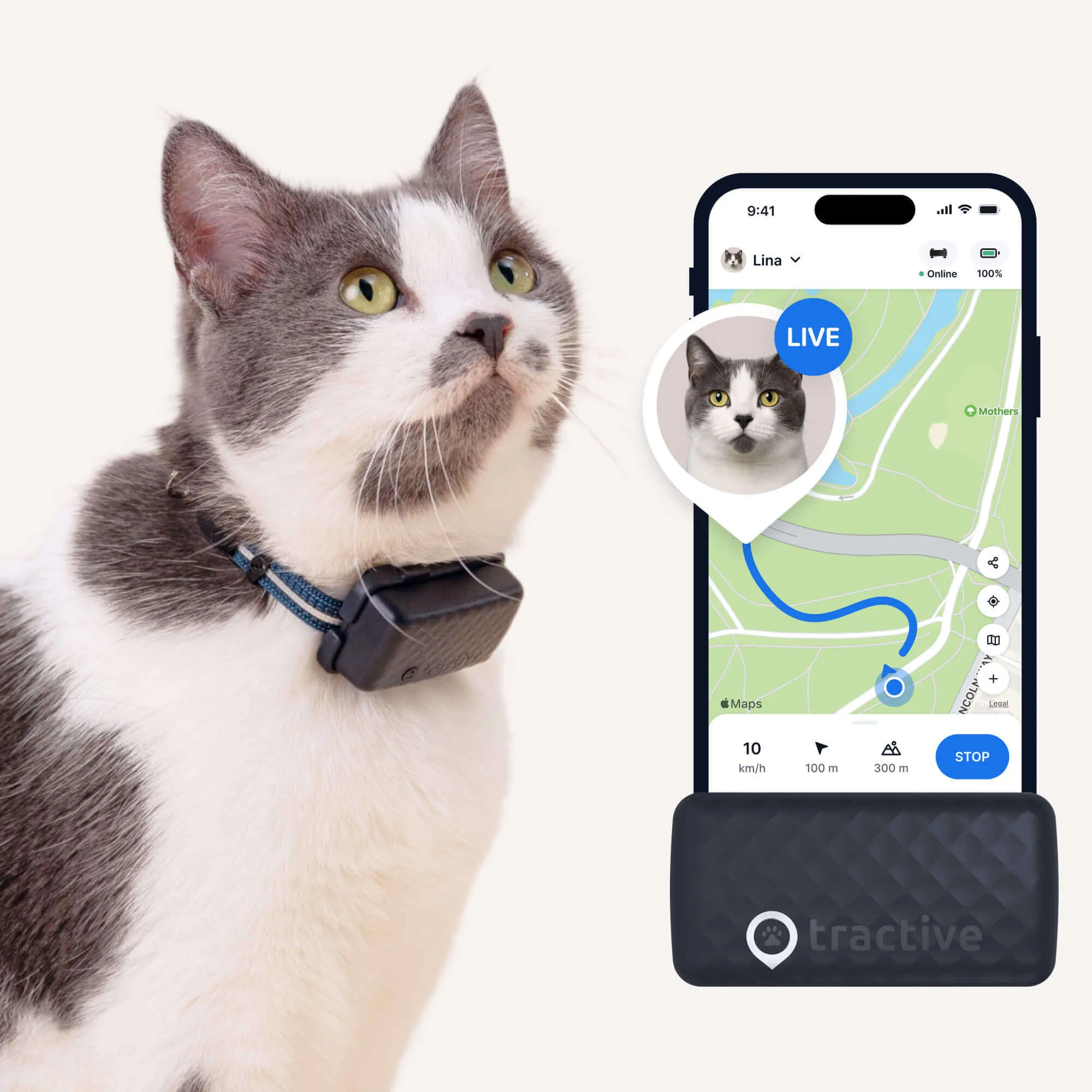 A cat wearing a Tractive Smart GPS Cat Tracker, with a screenshot of the cat tracking app and collar
This device offers real-time location tracking, enabling you to monitor your cat’s movements and receive escape alerts, providing essential peace of mind.
Is it Cruel to Transition an Outdoor Cat to an Indoor Lifestyle?
Transitioning an outdoor cat to an indoor environment is not inherently cruel, provided the change is managed thoughtfully. While it might feel like restricting their freedom, moving an outdoor cat indoors can be a profoundly loving and protective decision, especially in areas with heavy traffic, extreme weather conditions, or abundant wildlife. Cats are remarkably adaptable creatures, and with appropriate support, most can successfully transition to indoor living and thrive. The key is ensuring their indoor environment offers a level of stimulation and satisfaction comparable to the outdoors. This can include:
- Providing ample vertical space with shelves and cat trees.
- Introducing puzzle feeders and engaging toys.
- Ensuring windows are accessible for bird-watching.
- Incorporating regular interactive play sessions to help them expend energy.
However, the adjustment period can be challenging, particularly for cats accustomed to complete freedom. Some may exhibit signs of stress, such as pacing, vocalizing at doors, or scratching furniture. These behaviors typically subside over time with consistent enrichment and patience. In certain situations, an indoor-outdoor compromise, such as supervised walks or a secure catio, can facilitate a smoother transition.
Ultimately, transforming an outdoor cat into an indoor one is about replacing the inherent risks of outdoor life with a safer, enriched alternative that still respects the cat’s natural instincts.
How to Train a Cat to Go Outside and Come Back
1. Gradual Introduction and Supervision
Begin by selecting a calm, quiet time of day for initial outdoor excursions, ideally when there are minimal distractions from dogs, traffic, or children. Allow your cat to explore a small, enclosed area, such as a fenced backyard, patio, or balcony.
Utilize a well-fitted harness and leash to ensure their security while maintaining control. If your cat is new to wearing a harness, allow them a few days to acclimate to it indoors first. Once outside, sit with your cat, speak gently, and permit them to explore and observe at their own pace. Keep these initial sessions brief, around 5-10 minutes, and always conclude on a positive note by offering treats, praise, or playtime upon returning inside. This helps your cat associate the outdoors with enjoyable and rewarding experiences shared with you.
Consistency and patience are paramount. Some cats may adapt quickly, while others might require several days or even weeks to feel confident outdoors.
2. Teaching Your Cat to Respond to a Recall Cue
Establish a consistent cue, such as a specific word (e.g., “here”), a whistle, their name, or the sound of a treat container being shaken. Employ this cue each time you wish your cat to come to you, both indoors and outdoors.
Begin practicing indoors, where distractions are minimal. Call your cat using your chosen cue and reward them immediately upon their response. Once they consistently come to you indoors, you can transition to practicing outdoors in a controlled environment, like a leash-secured yard.
Ensure you only use the recall cue when you are prepared to offer a reward. Avoid using it for scolding or interrupting enjoyable activities. Maintain short, positive training sessions filled with affection, praise, and treats. Over time, your cat will associate the recall cue with positive reinforcement, increasing the likelihood they will return when called, even during exploration.
3. Establish a Consistent Outdoor Routine
Designate a specific time each day for your cat’s outdoor adventures. Early mornings or late afternoons are often optimal due to quieter conditions and more comfortable temperatures. Begin by opening the door at the same time daily and using a verbal cue or sound (like a clicker or bell) to signal that it’s time for their supervised outing. Eventually, your cat will associate this cue and time of day with their outdoor explorations.
During outdoor sessions, maintain a predictable duration, starting with 15-30 minutes. As your cat gains confidence and demonstrates reliability in returning, you can gradually increase both the duration and their roaming range.
4. Facilitate Safe Indoor/Outdoor Access
A popular solution is the installation of a cat flap or pet door. These devices allow your cat independent entry and exit. Basic models are available, as well as advanced versions that operate via microchip or a collar tag, preventing unwanted visitors like neighborhood strays or wildlife.
When installing a cat flap:
- Select a secure location that offers visibility and shelter, such as a side door or a garden-facing wall.
- Begin by demonstrating its use to your cat, perhaps with treats or toys.
- Practice operating the flap manually until your cat becomes accustomed to its movement and sound.
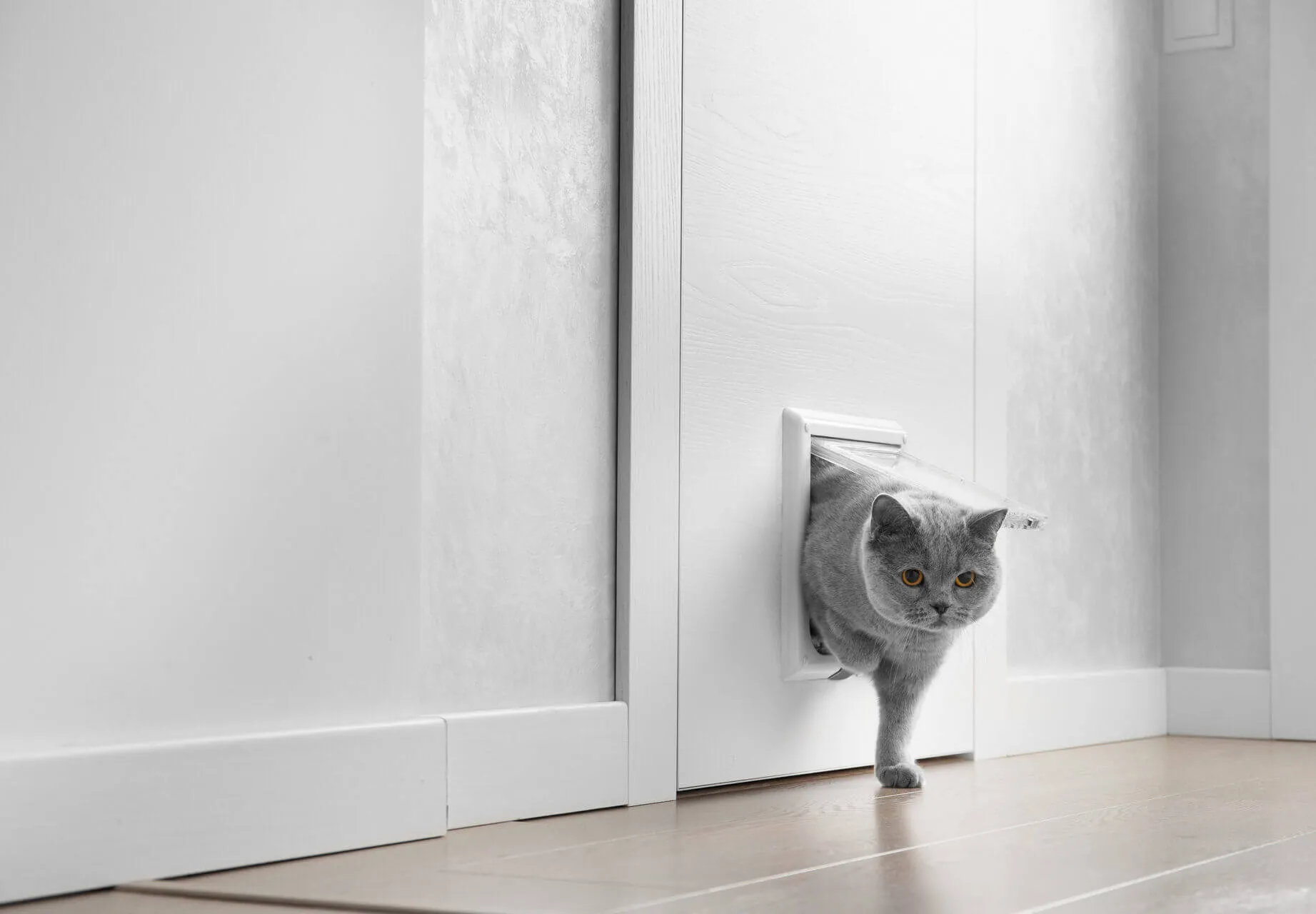 A cat entering a home through a cat flap
If a cat flap is not feasible, designate specific windows or doors for supervised access. Ensure a clear and unobstructed route to their entry point. Keep the area tidy and safe, and train your cat to return at designated times (e.g., before dusk or meal times). Placing a doormat, a soft blanket, or a sheltered box near their entry point can provide a comforting resting spot before they re-enter the house.
5. Know When to Grant More Independence
Begin with short off-leash periods in a secure, enclosed yard or a very familiar, low-risk area. Ensure these initial moments of freedom occur while you are nearby to observe and intervene if necessary.
Look for indicators that your cat is ready: Do they remain close to home? Do they return promptly when called? Do they check in with you during their outings? If these signs are present, you can gradually extend their time and independence. Conversely, if they stray too far or appear distracted or fearful, it is advisable to revert to supervised training.
It’s important to remember that some cats, particularly those in urban environments or with anxious temperaments, may always be safest and happiest on a leash or within a secured outdoor enclosure. This is perfectly acceptable. The objective is not complete autonomy but rather providing enriching experiences in a manner that feels safe and manageable for both you and your cat.
This is also an opportune moment to ensure your cat is microchipped and equipped with a GPS tracker like Tractive. This ensures that even if they take an unexpected detour or stay out longer than anticipated, you will always know their location and how to bring them back safely.
6. Encourage Familiar Routes
Guide your cat to follow a consistent route during each outing – circling the same bushes, passing a particular tree, or walking along the same garden path. This repetition fosters a sense of security and reduces the likelihood of disorientation or wandering too far. Avoid making abrupt changes to their environment whenever possible, and introduce new areas gradually and one at a time.
Cats rely heavily on scent, routine, and their innate sense of territory. During initial outdoor explorations, they construct mental maps of their surroundings, utilizing landmarks and scent trails for navigation. Therefore, adhering to familiar paths and areas during the early stages of training is crucial. If your cat displays hesitation or nervousness about a specific route, do not force them. Allow them to set the pace and lead the way. Gentle guidance with treats or toys is acceptable, but never rush the process.
Over time, your cat will establish a territory they feel secure within. As their confidence grows, you can incrementally expand their roaming area, always remaining mindful of the surroundings and your cat’s comfort level. A smart cat collar can assist in tracking these familiar paths and monitoring your cat’s typical roaming range, offering reassurance along the way.
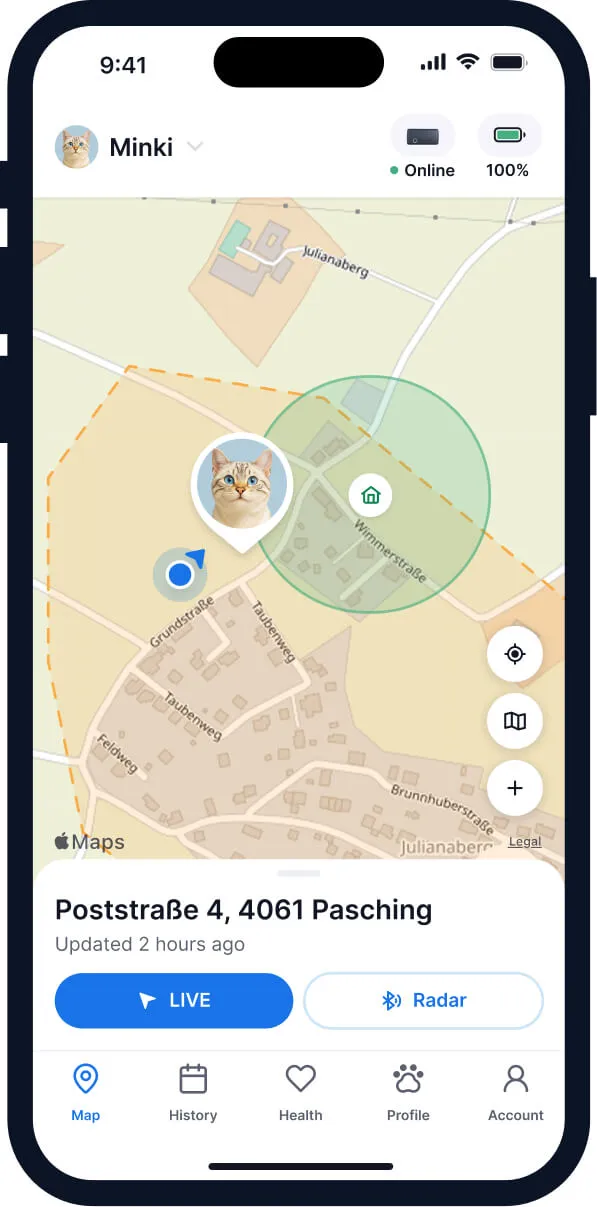 Screenshot of the Tractive GPS app's cat territory feature
Finally, ensure every outdoor experience is rewarding for your cat. Bring toys outside, offer a few treats, or provide abundant praise and affection upon their return. The more they associate you and your home with comfort and positive experiences, the more likely they are to return willingly.
The Role of a Smart Cat Collar in Emergencies
Even the most well-behaved and trained cat can experience an unpredictable moment. A sudden loud noise, a pursuit by another animal, or simply an excess of curiosity can lead them astray. In such instances, a smart cat collar with real-time GPS tracking transitions from a desirable feature to an essential safety device.
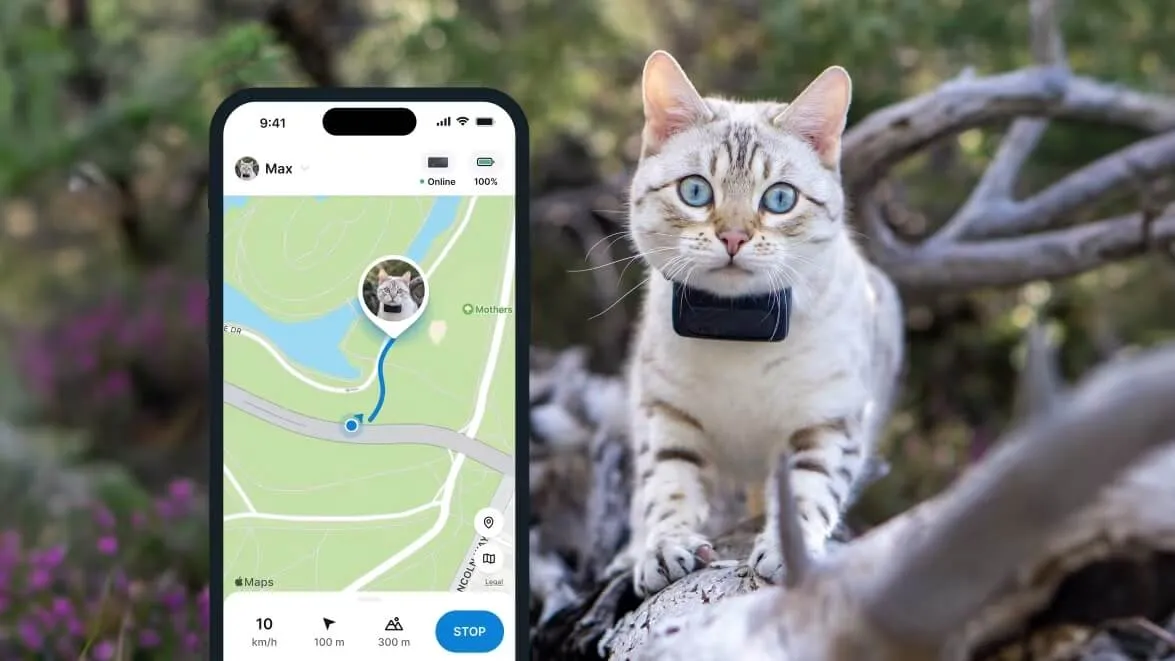 A cat wearing a Tractive GPS tracker
Attached to your cat’s collar, a Tractive device offers the following benefits:
- Real-time Location Tracking: With LIVE tracking, you can pinpoint your cat’s exact location at any moment, down to the smallest movement. This means if your cat disappears from view or ventures into dense undergrowth, you’ll know precisely where they are.
- Early Escape Detection: Using the Tractive mobile app, you can establish “safe zones” around your home or yard, or conversely, “no-go zones” around hazardous areas like busy streets. The moment your cat attempts to leave a safe zone or enter a restricted area, you’ll receive an escape alert on your phone, enabling prompt action before they stray too far.
- Understanding Your Cat’s Territory: Through the cat’s Heat Map and Location History features, you can identify their preferred routes, hiding spots, and roaming patterns. This information is particularly valuable in an emergency, guiding your search efforts if your cat fails to return as expected.
Unlike some other tracking devices that rely on limited range or specific networks (like Apple AirTags), Tractive trackers operate without range limitations or the need for a network of compatible devices. Instead, a cat GPS tracker functions as a digital safety leash. While it won’t prevent your cat from exploring, it ensures you remain connected, informed, and prepared to act if circumstances deviate from the plan.
Discover Tractive GPS
