
Are you looking for a way to harness your feline friend’s natural hunting instincts, or perhaps seeking a furry, four-legged solution to an occasional rodent issue? While the idea of a cat catching mice might seem like a scene straight out of a charming storybook, training a cat for this specific task requires understanding their innate abilities, patience, and a touch of realistic expectation. Unlike dogs, who are often eager to please and excel with direct training, cats are more independent and respond best to methods that align with their natural behaviors. This guide delves into how you can encourage and refine your cat’s hunting prowess, ensuring it’s a positive experience for both of you.
Understanding Your Cat’s Hunting Instincts
Cats are natural-born predators. This instinct is deeply ingrained in their DNA, a remnant of their wild ancestors who relied on hunting to survive. Even well-fed domestic cats retain this powerful drive. You’ve likely witnessed it firsthand: the intense stare, the stalk, the sudden pounce on a toy mouse or even a dust bunny. This instinct is not about aggression; it’s about their biological programming.
The Prey Drive Spectrum
Not all cats have the same level of prey drive. Some are enthusiastic hunters, while others are more laid-back. Factors like breed, age, and individual personality play a significant role. Kittens often learn hunting techniques by observing their mother and practicing with littermates. Early socialization and play can also influence how strongly these instincts manifest.
Play as Practice
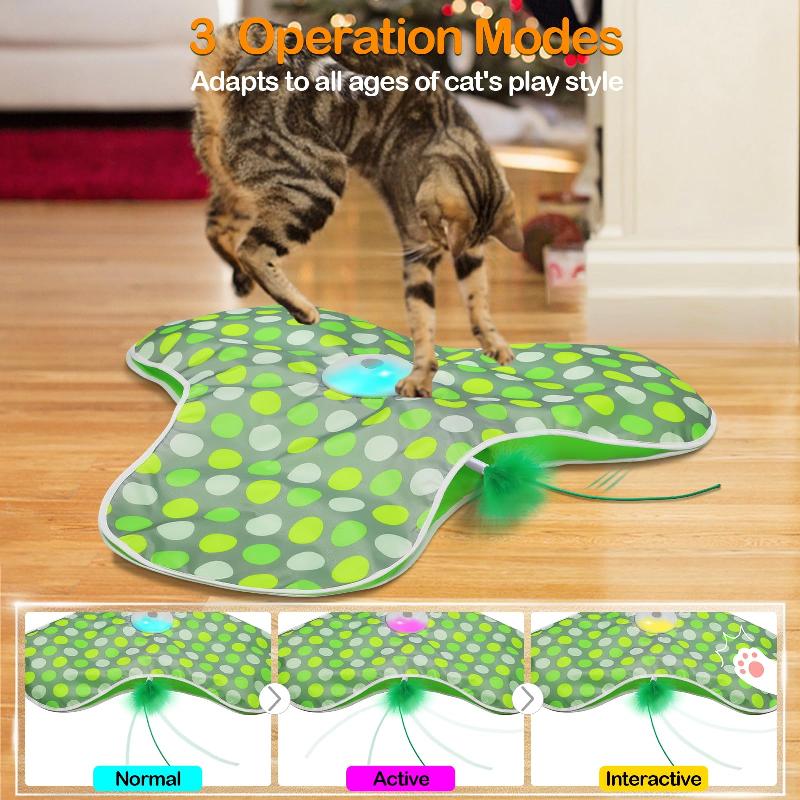
The most effective way to nurture your cat’s hunting skills is through interactive play. Using toys that mimic the movement and texture of prey, like feather wands, laser pointers (used responsibly), or small, crinkly balls, can stimulate their predatory sequence. This not only satisfies their instinct but also provides essential mental and physical exercise.
Setting the Stage for Success
Before you even think about mice, it’s crucial to ensure your cat is healthy, well-socialized, and has appropriate outlets for their energy. A stressed, bored, or unwell cat is unlikely to be an effective (or happy) hunter.
Health and Safety First
A cat that will be interacting with potential prey should be up-to-date on all vaccinations and parasite treatments. This is crucial for their own health and to prevent the transmission of diseases or parasites to your household. Consult your veterinarian about appropriate flea, tick, and deworming schedules.
Creating a Stimulating Environment
Your home environment plays a huge role. Ensure your cat has plenty of toys, scratching posts, climbing structures, and window perches. A mentally stimulated cat is more likely to engage in natural behaviors, including hunting-related play. Regular interactive play sessions with you are non-negotiable.
Introducing the “Prey” (Safely and Ethically)
The idea of intentionally introducing mice into your home for your cat to hunt raises ethical and practical concerns. It’s essential to approach this with caution and prioritize the well-being of all involved.
Understanding the Risks
- Disease Transmission: Wild rodents can carry diseases like hantavirus, salmonella, or leptospirosis, which can be transmitted to cats and potentially to humans.
- Parasites: Mice are often carriers of fleas, ticks, and various internal parasites.
- Stress and Fear: For both the cat and the mouse, this can be a stressful experience.
- Unpredictable Behavior: Not all cats are effective hunters, and some may injure rather than kill prey quickly, prolonging suffering.
Alternatives to Live Prey Introduction
Given the risks, most experts recommend against intentionally introducing live mice into your home for your cat to hunt. Instead, focus on channeling their natural instincts through play and environmental enrichment.
Training Techniques (Focusing on Play)
If you’re committed to honing your cat’s hunting skills, focus on simulating prey behavior during play sessions.
Mimicking Prey Movement
- The Stalk: Move toys slowly and erratically, simulating a scurrying mouse. Hide toys behind furniture and let your cat discover them.
- The Pounce: Allow your cat to “catch” the toy frequently. This reinforces their behavior. Let them bat it around, then “escape” with the toy to prolong the chase.
- Vary the Toys: Use different types of toys – feathers for quick movements, plush mice for a more substantial “catch,” and laser pointers (used carefully to avoid frustration) for honing chasing skills.
The Importance of the “Kill”
In the wild, a cat kills prey by biting the neck. During play, allowing your cat to “kill” the toy by holding it firmly and giving it a few shakes can be very satisfying for them. This mimics the natural end of the hunt.
 Cat enthusiastically playing with a toy mouse
Using Scent (With Caution)
Some trainers suggest using catnip-infused toys or even a tiny amount of commercial cat attractant spray on toys to make them more enticing. However, avoid using anything that could be harmful if ingested.
When Natural Instincts Aren’t Enough
It’s important to remember that not all cats will become adept mouse hunters, even with encouragement. Some cats may simply not have a strong prey drive, or their instinct might be more geared towards birds or insects.
Realistic Expectations
If your primary goal is pest control, a cat might not be the most reliable solution. Their hunting success depends on many factors, and they might choose to sleep rather than hunt, even if prey is present.
Celebrating Your Cat’s Strengths
Instead of focusing solely on hunting, appreciate your cat for all their unique qualities. Their companionship, purrs, and playful antics are valuable in themselves. If hunting isn’t their forte, perhaps they excel at being a lap warmer or a master of adorable meows.
Frequently Asked Questions
Q1: Can I really train my cat to catch mice?
A1: While you can encourage and hone your cat’s natural hunting instincts through play, “training” them to reliably catch mice for pest control is difficult and often not recommended due to safety and ethical concerns.
Q2: Is it safe to let my cat hunt mice found in the house?
A2: It is generally not recommended due to the risk of disease, parasites, and potential injury to both the cat and the mouse. Focus on play as a safer outlet for their instincts.
Q3: My cat brings me “gifts” of dead prey. What does this mean?
A3: This is a common behavior, often interpreted as the cat bringing its prey to its “family” (you) to share or teach you how to hunt. It’s a sign of affection and a demonstration of their natural hunting prowess.
Q4: What are the best toys to stimulate my cat’s hunting drive?
A4: Toys that mimic prey movement, like feather wands, crinkle balls, small plush mice, and laser pointers (used correctly), are excellent for stimulating a cat’s hunting instincts.
Q5: How often should I play with my cat to encourage their hunting instincts?
A5: Aim for at least two 10-15 minute interactive play sessions per day. This helps fulfill their need for hunting-like activity and strengthens your bond.
Conclusion: Nurturing the Hunter Within
Encouraging your cat’s natural hunting instincts through play can be a rewarding experience, strengthening your bond and providing mental and physical enrichment for your feline companion. While the dream of a self-appointed mouser might be tempting, it’s crucial to prioritize safety, ethics, and realistic expectations. By understanding their innate behaviors and providing appropriate outlets, you can help your cat express their inner hunter in a positive and fulfilling way, celebrating the wild spirit that makes them so captivating.
