
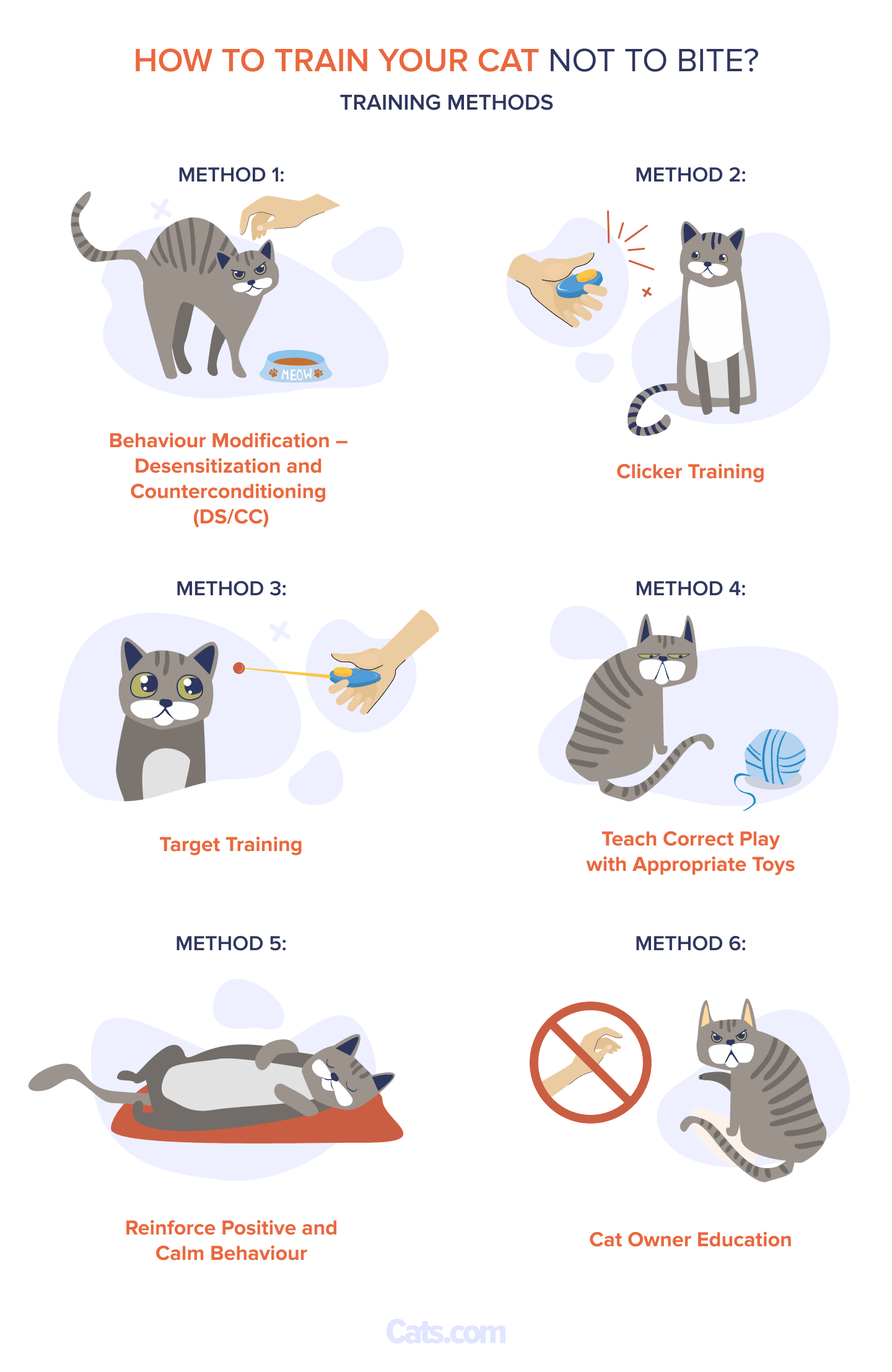
Has your feline friend developed a habit of vocalizing incessantly, leaving you wondering if they’re part of a Siamese or Bengal breed known for their chattiness? While it might be tempting to scold your cat or resort to less-than-ideal methods, these tactics often prove ineffective and can even exacerbate the problem. When a cat meows and you react, you inadvertently reinforce that meowing is an effective way to gain your attention. This cycle can be particularly frustrating when their meows are directed at soliciting food.
The key to modifying your cat’s behavior lies in a fundamental principle: reward the actions you desire and withhold rewards for unwanted behaviors. In this case, you want to encourage quiet, calm periods and discourage excessive meowing. When your cat meows for attention or a treat, the most effective strategy is to wait patiently until they cease vocalizing and then offer praise and attention only when they are quiet. While this sounds straightforward, implementing it consistently can be a lengthy process. To accelerate this behavior modification, it’s beneficial to first train your cat a positive, desired action, such as sitting, and then apply the “reward quiet” principle when they exhibit unwanted meowing. This approach is particularly effective for cats, who often find sitting and remaining in that position quite natural.
Teaching Your Cat to Sit
Training a cat to sit is a relatively simple process. Begin by offering a high-value treat, such as Greenies, a bit of canned food on a spoon or in a syringe with the tip removed, small pieces of cheese, tuna, or even a portion of their regular meal if it’s feeding time. Once your cat notices the treat and is intently focused on it, wait for them to naturally sit. The moment they do, immediately deliver the treat directly to their face, ensuring they can eat it while still in a seated position. Repeat this process. You can also reward them with a series of treats for remaining seated. For cats, this is often easier than for dogs, as they tend to be more inclined to sit and stay seated. Next, take a few steps back and repeat the process. The ultimate goal is for your cat to associate sitting with receiving a reward every time they approach you. This makes sitting a highly rewarding behavior.
If your cat struggles with this method, you can use the treat as a lure. Hold the treat close to their face and then slowly move it upwards and slightly backward over their head. This motion should encourage them to shift their weight back and lower their hindquarters into a sit. Reward them quickly before they stand up. If they are only partially sitting, you can initially reward them for getting close to a sit, and gradually only reward them when they achieve a full sit.
Addressing Meowing During Training
If your cat meows while you are trying to teach them to sit, you have two primary options. You can choose to wait for a moment of quiet before rewarding the sit, or you can reward them for sitting even if they are meowing, and then focus on rewarding quiet behavior later. It is generally more effective to train one behavior at a time. Cats typically learn to sit quite quickly, often within a couple of five-minute sessions, especially if they are motivated by hunger. If your cat doesn’t become quiet on their own, you can proceed to the next training step.
Training Quiet Behavior
Once your cat has mastered a calm, stationary position like sitting, you can begin reinforcing quiet behavior. Consider my cat, Dante. Dante could vocalize for extended periods, but he has learned that persistent meowing isn’t necessary to get what he wants. Instead, we’ve consistently rewarded him for sitting quietly. However, when circumstances change, such as when we have visiting dogs and he needs to lay low, he sometimes reverts to his old meowing habits. The following routine helps me retrain him over a couple of days.
The core of this method involves waiting out the prolonged meows. The instant your cat is quiet for even a few seconds, quickly reward them. Dante is a fast meower, which can make it challenging to deliver a treat during a brief quiet spell before the next meow begins. To overcome this, I use a clicker. The click signals to him that he has performed the desired behavior and earned a treat. Initially, I might reward him for just 1–2 seconds of silence. However, he quickly learns to remain quiet for longer durations. You might observe him looking around, trying to figure out if a specific head position is earning the reward, as different positions may have been rewarded in past sessions. He might even become confused and try a few tentative, quiet meows, thinking that vocalization might still work. By consistently avoiding rewarding meows and instead rewarding quiet moments, he understands that quietness, not head movements or meowing, is what earns positive reinforcement. How to train your cat to stay inside can also be a useful training goal.
The Next Day and Beyond
Expect to spend time waiting out meows and rewarding quiet behavior multiple times a day if you have a cat with a particularly “Herculean” vocal range. However, with consistency and by rewarding progressively longer periods of silence with sequential treats, you can significantly reduce excessive meowing within a few days. Because Dante has undergone this training before, it took only two sessions of rewarding quiet behavior for him to remember to be quiet throughout the day. He has learned that quietness, rather than shouting, is the effective way to get his needs met. You might also find resources on how to get a cat to like a dog helpful if you have multiple pets. When introducing new pets, ensuring all animals feel comfortable and secure is key. For instance, understanding how to get my cat and puppy to get along can prevent many behavioral issues down the line. Similarly, train dog to like cats offers strategies to foster positive interspecies relationships. Remember that patience and positive reinforcement are crucial in all aspects of pet training, including behaviors like how to train a cat to not meow excessively.
