
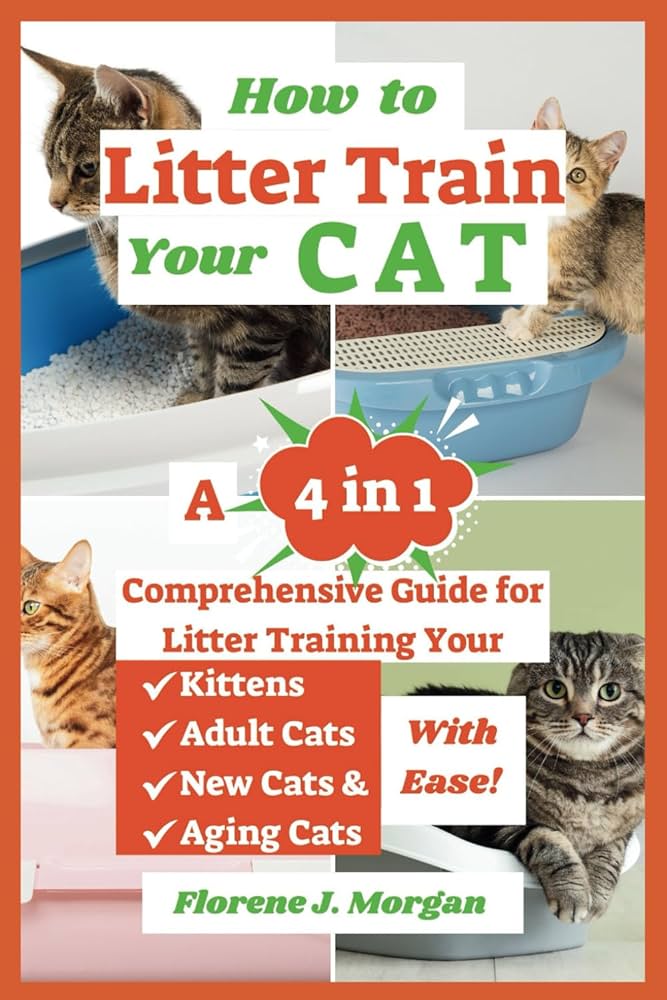
Bringing a new cat or kitten into your home is an exciting experience, and one of the most appealing aspects of cat ownership is their natural inclination towards cleanliness and housetraining. Unlike puppies who often require extensive potty training, kittens typically master the litter box with relative ease. While it’s commonly believed that mother cats instinctively teach their kittens this essential skill, this isn’t always the case. Whether you’ve recently adopted a kitten or welcomed a cat of any age, understanding how to litter train them is crucial for a harmonious home. This guide will walk you through the process, ensuring your feline friend is well-adjusted and accidents are kept to a minimum. For first-time cat owners, understanding the basics is key to a smooth transition.
Essential Supplies for Litter Box Training
Before you begin the training process, it’s important to gather the necessary supplies. Having everything on hand will make the training smoother and more effective.
- Litter Box: Boxes come in various styles, including open pans, covered enclosures for privacy, and corner-shaped designs to maximize space. The size of the litter box is also important. As a general rule, choose a box that is at least one and a half times the length of your cat. This allows them ample room to turn around and dig comfortably.
- Cat Litter: The market offers numerous types of cat litter. Clumping litter is a popular choice because it binds together when wet, making it easy to scoop out waste. Aim to fill the box with about 2 inches of litter, providing enough material for your cat to cover their mess after use.
- Cat Pads: For an extra layer of protection against messes, consider using cat pads underneath the litter box. These pads can help control odors and simplify cleanup, especially if you have a litter box system.
- Litter Scoop: A sifting litter scoop is a convenient tool that allows you to easily remove waste without needing to replace the entire litter box contents daily.
Four Steps to Successful Litter Box Training
Proper placement and consistent reinforcement are key to effectively litter training your cat. Follow these four steps to guide your feline companion.
Step #1: Strategic Litter Box Placement
The location of the litter box significantly impacts your cat’s willingness to use it. Most cats prefer a quiet, private space where they feel safe and undisturbed. It’s also advisable to place the litter box away from your cat’s food and water bowls. Cats have a natural instinct not to eliminate in the same area where they eat, and a litter box placed too close to their dining area may deter them from using it.
Step #2: Preparing the Litter Box
Once you’ve chosen the ideal spot, fill the litter box with approximately 2 inches of cat litter. This depth provides your cat with enough material to dig and cover their waste, a natural behavior they often engage in. After preparing the box, gently place your cat inside. Allow them to explore the smell and texture of the litter. Don’t be discouraged if they don’t eliminate immediately; some cats may need a few minutes to feel comfortable.
Step #3: Consistent Placement and Positive Reinforcement
Continue to place your cat in the litter box several times throughout the day. Key times to encourage litter box use are shortly after your cat has eaten, as kittens, in particular, often need to eliminate soon after meals. If you catch your cat in the act of eliminating outside the box, gently interrupt them and immediately take them to their designated litter area. When they successfully use the litter box, offer praise and positive reinforcement to associate the box with a positive experience.
Step #4: Troubleshooting and Adjustments
If you’re not achieving the desired results, don’t despair. Sometimes, a simple adjustment can make all the difference. You might need to relocate the litter box to a different spot in your home, as a change in location could be all your cat needs. Alternatively, consider experimenting with different types of cat litter. Some cats can be particular about the texture or scent of their litter, and finding the right one can be crucial. Learning to train your cat to go outside can also be an option for some owners.
Maintaining a Clean Litter Box
Regular cleaning of the litter box is essential for your cat’s health and hygiene, and it helps maintain a fresh-smelling home. Use your litter scoop daily to remove any waste your cat has deposited. After scooping, you may need to add a small amount of fresh litter to maintain the optimal depth.
A thorough weekly cleaning is also recommended. Empty the entire contents of the litter box into the trash. Then, clean the box with a pet-safe cleaner and refill it with fresh litter. This regular maintenance can help reduce the chances of your cat developing health issues, such as a urinary tract infection (UTI), due to bacteria buildup. Cat litter training tips can offer further guidance on establishing good habits.
Conclusion: A Job Well Done!
With a little patience and understanding, litter box training your cat can be a remarkably straightforward process. By learning your cat’s individual schedule and providing a consistent, clean, and accessible litter box, you’ll soon find your feline friend confidently using their designated facilities. Remember that consistency is the most vital element in successful training. If your kitten isn’t using the litter box as expected, don’t hesitate to explore solutions. With the right approach, your cat will be a litter box pro in no time, ensuring a pleasant living environment for both of you. For those facing challenges, understanding how to train your cat to use the litter box is a great starting point.
