
Have you ever wondered if it’s possible to train birds to deliver messages, much like in the stories of old? The idea of using birds as feathered couriers is a fascinating one, blending history, nature, and a touch of magic. While carrier pigeons are famously known for this task, the principles behind training birds for communication are rooted in understanding their natural behaviors and applying consistent methods. This guide will delve into the world of avian communication, exploring how these intelligent creatures can be taught to carry messages and the journey involved in such a unique endeavor.
The Historical Art of Avian Communication
For centuries, birds, particularly pigeons, have served as vital messengers. Their innate homing instinct, combined with their ability to navigate vast distances, made them invaluable. During wartime, pigeons carried crucial information, often with remarkable accuracy, saving lives and influencing the course of battles. This historical reliance on birds highlights their potential as communicators and the deep connection humans have forged with them in this regard. Understanding this rich history provides context for why we might still be intrigued by how birds are trained to deliver messages.
Understanding Bird Behavior and Intelligence
Birds are far more intelligent than many people realize. They possess remarkable memory, problem-solving skills, and the capacity for learning complex tasks. Pigeons, for instance, have an incredible homing ability, meaning they can find their way back to their loft from hundreds of miles away. This instinct is crucial for message delivery. Other bird species also exhibit learning capabilities, though their natural inclinations might differ. For example, some birds are trained for entertainment or assistance, demonstrating their adaptability.
The Basics of Training Birds for Message Delivery
The process of training a bird to deliver a message, whether it’s a pigeon or another species, relies on a few core principles:
- Homing Instinct: For species like pigeons, their natural drive to return home is the foundation of the training.
- Association: Birds can be trained to associate a specific action or object with a reward.
- Consistency: Regular training sessions and predictable routines are key to reinforcing learned behaviors.
- Positive Reinforcement: Using treats, praise, or other rewards helps the bird understand and repeat desired actions.
It’s important to note that training a bird to carry a message is not about teaching them to “read” or “understand” the content. Instead, it’s about training them to travel from point A to point B, carrying an attached item.
Step-by-Step: Training a Bird (Focus on Pigeons)
While the concept might seem complex, breaking it down reveals a structured approach. Here’s a general idea of how to train a dove bird or a pigeon for message delivery:
- Establish the Loft: The bird must have a secure and comfortable home base, known as a loft. This is where they will be released from and to which they will return.
- Acclimatization: Allow the bird to become familiar with its surroundings and the loft. This is crucial for their sense of security and belonging.
- Short-Distance Training: Begin by releasing the bird at short distances from the loft. For example, take them a few hundred yards away and release them. They will naturally fly back.
- Gradual Increase in Distance: As the bird consistently returns from short distances, gradually increase the distance of the release points. This helps build their confidence and navigational abilities.
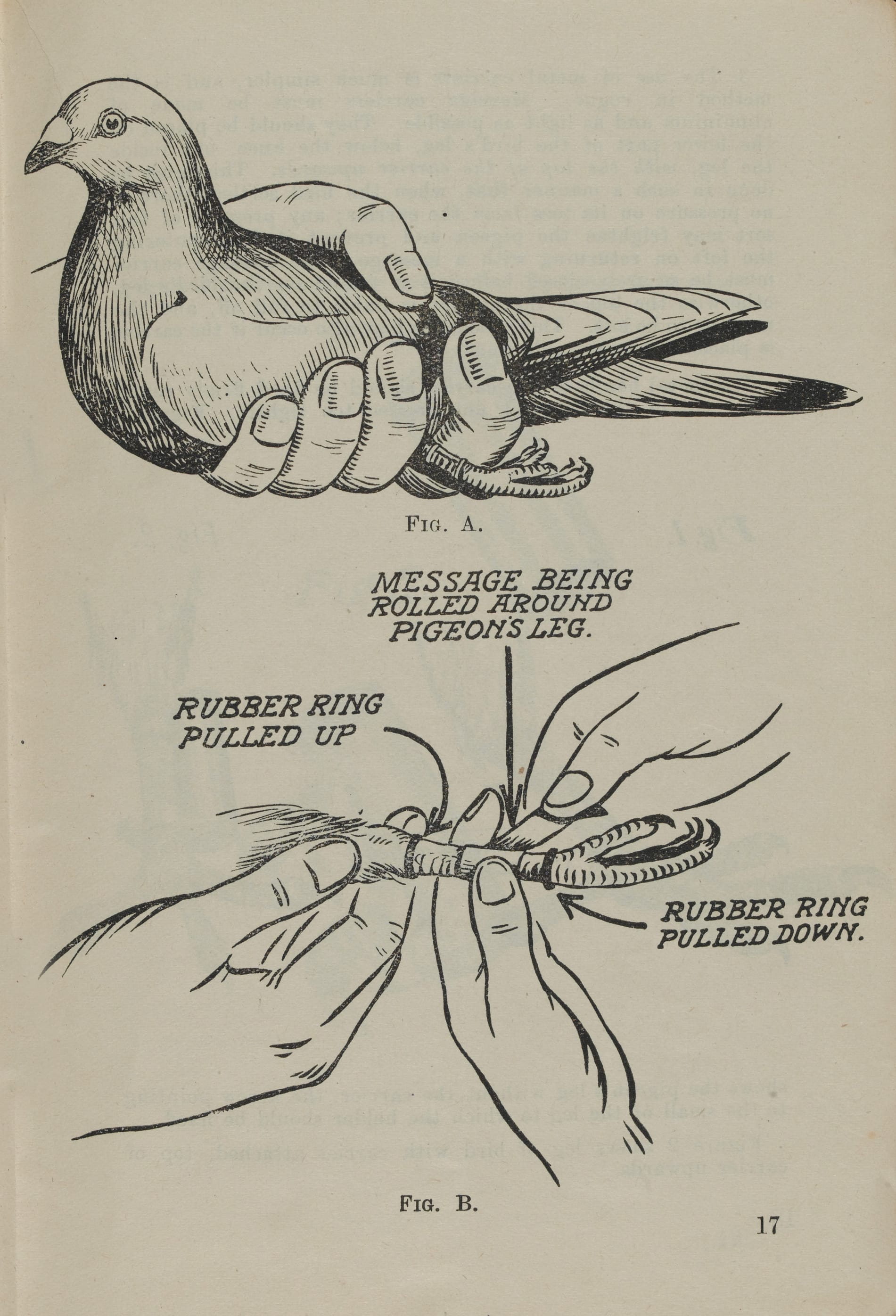
- Introducing the Message (or a substitute): Once the bird reliably returns from several miles away, you can start introducing a lightweight capsule or tag attached to their leg or back. Initially, let them get used to wearing it for short flights.
- Practice with the Capsule: Begin sending them on short training flights with the capsule attached. This helps them adapt to the slight added weight and resistance.
- Long-Distance Trials: Gradually increase the distance with the capsule attached. This is where their homing instinct is truly tested.
- Reliable Delivery: With consistent practice and positive reinforcement, the bird should become reliable in returning to its loft with the attached message capsule.
It’s a gradual process that requires patience and a deep understanding of the bird’s well-being. The goal is to make the experience positive for the bird.
Modern Applications and Considerations
While the romantic notion of bird couriers might seem like a relic of the past, understanding can you train a bird to deliver messages still sparks curiosity. In some niche applications, birds are still used for specialized deliveries, particularly in scientific research or for specific events. However, modern technology like GPS and instant communication has largely replaced birds for everyday messaging.
When considering training birds, it’s vital to prioritize their welfare. This includes providing a healthy diet, a safe environment, and avoiding any training methods that cause distress. Remember, the success of training is directly linked to the bird’s comfort and trust.
Frequently Asked Questions
Are pigeons the only birds that can deliver messages?
While pigeons are the most famous and well-suited for message delivery due to their strong homing instinct, other birds like doves can also be trained, though they may require different methods and have shorter effective ranges.
How long does it take to train a bird to deliver a message?
The training process can take several months, depending on the bird’s age, species, individual learning ability, and the consistency of the training. Patience is key.
Can a bird understand the message it is carrying?
No, birds do not understand the content of the message. They are trained to fly from one location to another, carrying an attached item. Their motivation is primarily their homing instinct or a learned association with rewards.
What are the challenges in training birds for message delivery?
Challenges include weather conditions, predators, the bird getting lost, and ensuring the bird’s health and well-being throughout the training process. Training requires dedication and a suitable environment.
Is it legal to train birds to deliver messages?
In most places, it is legal to train birds for personal or hobby purposes, especially if it adheres to animal welfare standards. However, specific regulations might apply in certain areas or for commercial use. It’s always good practice to be aware of local laws.
The Enduring Charm of Avian Messengers
The idea of birds as messengers, particularly the feats of carrier pigeons, remains a captivating subject. It speaks to a time when communication relied on the natural world and the remarkable abilities of animals. While technology has advanced, the story of how were birds trained to deliver messages continues to intrigue us, reminding us of the profound connection we can have with nature and the incredible potential that lies within the animal kingdom. Training birds is a testament to patience, understanding, and the unique bond between humans and animals.
