
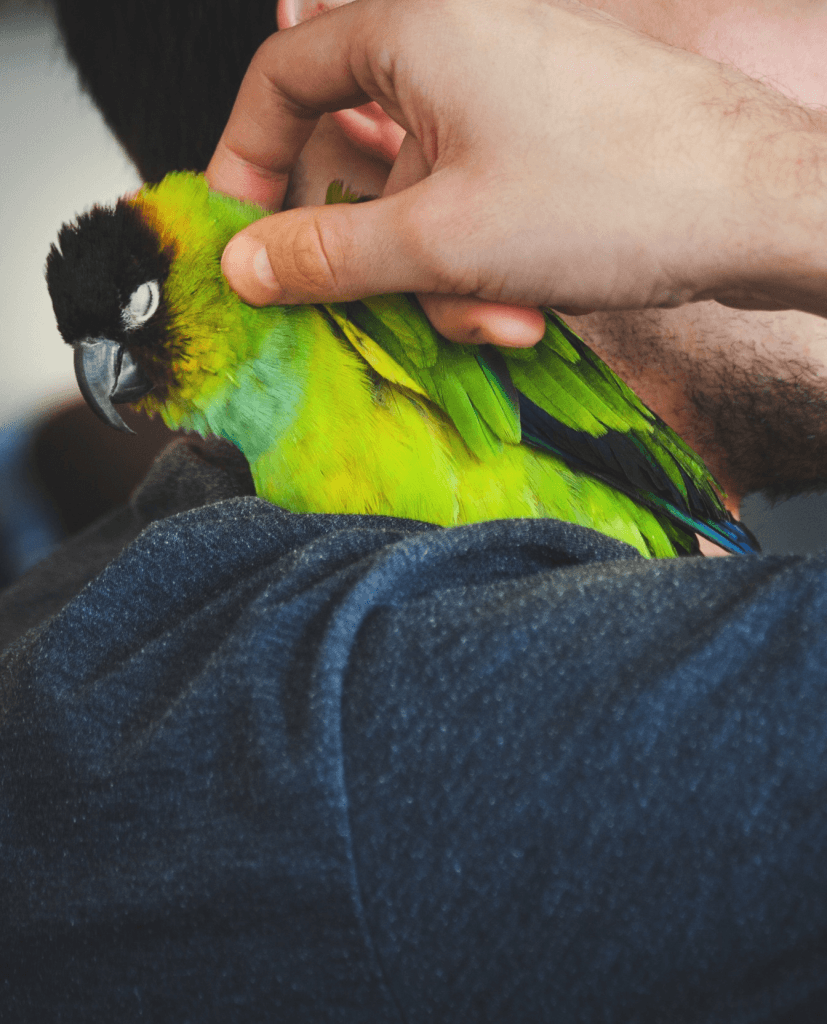
The bond between a human and a bird can be incredibly rewarding, and one of the most magical aspects of this relationship is when your feathered friend willingly flies to you. It’s a testament to the trust and understanding you’ve built together. But how do you get there? It’s not just about tricks; it’s about fostering a relationship built on positive reinforcement and patience. This guide will walk you through the essential steps to train your bird to fly to you, transforming your interactions into a beautiful dance of avian trust and communication.
Understanding Your Bird’s Perspective: The Foundation of Trust
Before we even think about the training process, it’s crucial to understand where your bird is coming from. Birds are prey animals, and their natural instinct is to be wary of larger creatures. To them, you represent a giant, and the idea of flying towards you might initially seem counterintuitive or even frightening. Building trust is paramount. This means creating a safe and predictable environment, respecting their space, and always approaching them with gentle movements and a calm demeanor. Positive interactions, like offering treats and soft-spoken words, will slowly teach your bird that you are a source of good things, not a threat. Remember, consistency is key; a happy bird is a bird that feels secure.
Step-1: Creating a Safe and Stimulating Environment
A bird that feels secure in its surroundings is more likely to be open to training and interaction. Ensure your bird’s cage is a sanctuary – spacious, clean, and filled with appropriate toys and perches. Out-of-cage time should also be supervised and in a bird-proofed room, free from hazards like open windows, other pets, or toxic substances. This controlled environment allows your bird to explore and feel confident, which is the first step towards them feeling comfortable enough to approach you. Engaging their minds with new toys and puzzles also helps prevent boredom, a common cause of behavioral issues.
Step-2: Positive Reinforcement: The Key to Success
Positive reinforcement is the cornerstone of any effective animal training, and birds are no exception. This involves rewarding desired behaviors to make them more likely to occur again. For training your bird to fly to you, this means having high-value treats readily available. These should be small, highly desirable items your bird loves – think a tiny piece of fruit, a special seed, or a millet spray. When your bird shows any inclination towards you, such as looking at you, stepping closer, or even just being calm in your presence, immediately offer a treat and gentle praise. This association between you and positive rewards is crucial.
Step-3: Building Initial Trust and Encouraging Movement Towards You
Start small. Begin by simply being present and calm around your bird. Talk to them in a soft, soothing voice. Offer treats by hand, but don’t force interaction. If your bird is hesitant, place the treat near them and retreat slightly, allowing them to come to it. As they become more comfortable with your hand, you can gradually move your hand closer to them.
The next step is to encourage them to step onto your finger or hand. This is often called “step-up training.” Present your finger or a perch at their chest level and say “step up.” Reward them immediately with a treat and praise when they place a foot on your finger. If they don’t, don’t scold them; simply try again later. Patience is vital here. This foundational skill is essential before you can expect them to fly to you.
“Every interaction is a chance to build or erode trust. Approach every training session with kindness and understanding.”
Step-4: Introducing the “Come” Cue and Short Flights
Once your bird reliably steps up, you can start introducing a verbal cue, like “Come here” or their name, paired with the step-up command. Initially, practice this when you are very close. As they master stepping up on command, you can begin to encourage short flights.
Start by standing a short distance away from your bird (just a few feet) and hold out your hand with a treat, using your verbal cue. If they hesitate, you can gently entice them by wiggling your fingers or making a soft clicking sound. When they fly to you, even if it’s just a flutter, give them their treat and abundant praise. Gradually increase the distance as your bird becomes more confident. Remember, the goal is for them to associate flying to you with a positive outcome.
Step-5: Generalizing the Behavior and Handling Setbacks
Birds can sometimes generalize behaviors to specific situations. This means your bird might fly to you in their cage or a familiar room but hesitate in a new environment. To combat this, practice the “come here” command in various safe locations around your home.
It’s also important to acknowledge that training isn’t always linear. There will be days when your bird seems reluctant or fearful. Don’t get discouraged. Simply revert to an easier step, like hand-feeding or short-distance step-ups, and rebuild their confidence. Pushing a bird when they are scared will only set back your progress. Celebrate small victories and understand that each bird learns at its own pace.
Step-6: Advanced Techniques and Maintaining the Bond
As your bird becomes proficient at flying to you, you can continue to challenge them with greater distances or by introducing distractions. Always ensure these challenges are appropriate for their skill level and the safety of the environment.
Beyond the specific training, maintaining the overall bond is crucial. Continue to spend quality time with your bird, engaging in play, grooming, and simply co-existing peacefully. Consistent positive interactions, understanding their body language, and respecting their individual personality will ensure that your bird not only flies to you but does so willingly and joyfully. This deepens the connection, making every flight a symbol of your unique relationship. This journey with your bird is a continuous process of learning and mutual respect.
Frequently Asked Questions About Training Birds to Fly to You
Q1: How long does it take to train a bird to fly to me?
A: The timeline varies greatly depending on the bird’s species, age, individual personality, and your consistency. Some birds may learn within weeks, while for others, it can take several months. Patience and positive reinforcement are key.
Q2: My bird is afraid of my hand. What should I do?
A: If your bird shows fear of your hand, focus on building trust first. Spend time near the cage, talking softly. Offer treats by placing them near your bird rather than directly in their vicinity. Gradually introduce your hand very slowly, rewarding any signs of comfort or curiosity. It might help to use a perch or a target stick initially.
Q3: Can I use treats for training birds to fly to me?
A: Absolutely! Treats are a powerful motivator for most birds. Use small, high-value treats that your bird absolutely loves. The association of flying to you with receiving a favorite treat will significantly speed up the training process.
Q4: What if my bird flies to me but then bites?
A: A bite often signifies fear, overstimulation, or a misunderstanding. If your bird bites, calmly withdraw your hand and try to identify the cause. Were you moving too quickly? Was the training session too long? Reassess the situation and go back to a simpler step where your bird felt successful and safe. Never punish a bite, as this will increase fear and distrust.
Q5: How can I make the “come” cue more effective?
A: Use a clear, consistent verbal cue. Pair it with a visual cue, like an outstretched finger or hand. Practice in various, safe environments to help your bird generalize the command. Ensure you always reward your bird enthusiastically when they respond correctly.
In conclusion, training a bird to fly to you is a journey that requires understanding, patience, and a strong foundation of trust. By employing positive reinforcement, respecting your bird’s instincts, and celebrating every small success, you can build a beautiful and rewarding relationship. Enjoy the process, and cherish the moments when your feathered companion chooses to take flight directly to you, a true testament to your bond.
