
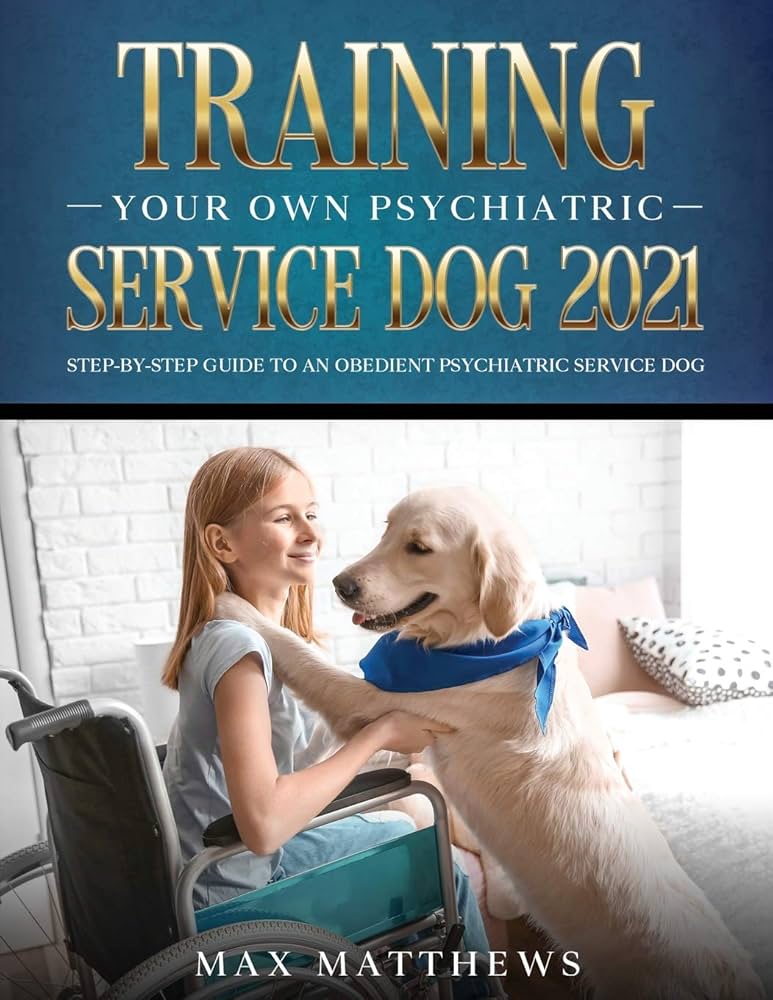
Are you looking for a way to better manage your anxiety and regain a sense of independence? Training your own service dog for anxiety can be a profoundly rewarding journey, offering not just a helping paw but a constant source of comfort and support. This guide will walk you through the essential steps and considerations for embarking on this life-changing path. Understanding the commitment involved is crucial; it’s a process that requires patience, consistency, and a deep bond with your canine companion.
Understanding Service Dogs for Anxiety
A service dog for anxiety is specifically trained to perform tasks that help mitigate a person’s anxiety symptoms. Unlike emotional support animals, which provide comfort simply by being present, service dogs are trained to perform actions. These actions can range from providing deep pressure therapy (DPT) during an anxiety attack to interrupting disorienting behaviors or alerting their handler to an impending panic attack. The goal is to provide tangible assistance that allows individuals to navigate daily life with greater confidence and security. This specialized training is what legally distinguishes a service dog and grants them public access rights.
The Difference Between Service Dogs and Emotional Support Animals
It’s vital to understand the distinction between a service dog and an emotional support animal (ESA). ESAs offer comfort through their presence, and while they can be therapeutic, they do not require specialized task training. They generally do not have public access rights. Service dogs, on the other hand, are trained to perform specific tasks related to a disability, including psychiatric disabilities like anxiety. This task-oriented training is the key differentiator and is essential for a dog to be recognized as a service animal under laws like the Americans with Disabilities Act (ADA).
Legal Considerations and Rights
In many countries, including the United States under the ADA, service dogs are granted access to public places where pets are typically not allowed. This includes restaurants, shops, and public transportation. However, it’s important to note that handlers may be asked two specific questions: (1) Is the dog a service animal required because of a disability? and (2) What work or task has the dog been trained to perform? You are not required to disclose your specific disability or have any documentation. Understanding these rights and responsibilities is part of being a service dog handler.
Choosing the Right Dog
The foundation of a successful service dog is the right canine partner. Not every dog is suited for this demanding role, and careful selection is paramount.
Breed Considerations
While many breeds can be trained as service dogs, some possess traits that lend themselves particularly well to the task. Labrador Retrievers, Golden Retrievers, Poodles, and German Shepherds are often favored for their intelligence, eagerness to please, stable temperaments, and trainability. However, temperament and individual personality are far more critical than breed alone. A well-bred, confident, and adaptable dog of any suitable breed can excel.
Temperament and Health
Look for a dog that is naturally calm, confident, and not easily startled or reactive. A dog that is friendly towards strangers and other animals, yet focused on its handler, is ideal. Crucially, the dog must be in excellent health. A service dog will be accompanying you everywhere, and any underlying health issues could compromise its ability to work and lead to significant veterinary expenses. A thorough veterinary check-up and genetic testing for potential breed-specific issues are highly recommended.
Age and Background
Puppies can be trained from a young age, allowing for socialization and foundational training from the start. However, adopting an adult dog with a known, stable temperament from a reputable rescue or breeder can also be a viable option, provided they pass the health and temperament screenings. Avoid dogs with a history of fear, aggression, or significant behavioral problems, as these can be extremely difficult, if not impossible, to overcome in a service dog context.
The Training Process: A Step-by-Step Approach
Training a service dog for anxiety is a multi-stage process that requires dedication and professional guidance. It’s not a weekend project but an ongoing commitment.
1. Basic Obedience and Socialization
Before specialized task training can begin, your dog must have a rock-solid foundation in basic obedience. This includes commands like sit, stay, down, come, and leave it. Equally important is comprehensive socialization. Expose your dog to a wide variety of sights, sounds, people, and environments in a positive and controlled manner. This helps them develop into a confident, well-adjusted dog capable of handling diverse situations without becoming overwhelmed or reactive. Proper socialization prevents fear-based behaviors that can disqualify a dog as a service animal.
2. Task Training for Anxiety
This is where the specialized training comes in. You’ll need to identify the specific tasks your dog will perform to help manage your anxiety. Common tasks include:
- Deep Pressure Therapy (DPT): Training the dog to lie across your lap or chest during an anxiety or panic attack to provide calming pressure.
- Alerting: Teaching the dog to alert you to the onset of an anxiety attack, perhaps by nudging you or pawing at you.
- Interruption: Training the dog to interrupt anxious behaviors, such as repetitive tapping or skin picking, by licking your hand or applying gentle pressure.
- Grounding: Helping you stay present and grounded during dissociative moments by guiding you or encouraging interaction.
- Retrieving Medication/Water: Training the dog to fetch a water bottle or your anxiety medication during an episode.
These tasks are taught using positive reinforcement methods, breaking down complex behaviors into small, achievable steps.
3. Public Access Training
Once your dog has mastered basic obedience and is proficient in their anxiety-specific tasks, they need to be trained for public access. This involves practicing obedience and task performance in increasingly distracting environments. The goal is for the dog to remain calm, focused, and unobtrusive, regardless of the surroundings. This includes training in pet-friendly stores, then gradually moving to places where dogs are not normally permitted, always ensuring you are legally allowed to be there with a service dog in training.
4. Handler Training and the Handler-Dog Bond
Training is not just about the dog; it’s also about you, the handler. You need to learn how to communicate effectively with your dog, reinforce trained behaviors, and understand your dog’s cues and needs. The bond between you and your service dog is paramount. This partnership is built on trust, mutual respect, and consistent positive interaction. Spending quality time together, practicing skills, and simply enjoying each other’s company will strengthen this vital connection. Remember, service dog training for anxiety is a journey that deepens the human-animal bond.
Finding Professional Help and Resources
While it’s possible to train your own service dog, professional guidance is highly recommended, especially for task training and public access.
Professional Trainers and Organizations
Look for certified professional dog trainers (CPDT-KA, IAADP, ADI accredited organizations) who have experience specifically with service dog training for psychiatric conditions. They can provide invaluable expertise, guidance, and support throughout the process. Many organizations offer comprehensive programs or can connect you with qualified trainers.
Online Resources and Communities
Numerous online resources, forums, and support groups are dedicated to service dog training. These communities can offer a wealth of information, advice from experienced handlers, and emotional support. However, always critically evaluate the information you find and cross-reference it with advice from certified professionals. Understanding how much does service dog training cost for anxiety can help you budget for professional assistance.
Maintaining Your Service Dog’s Skills
Training doesn’t end once your dog has completed their initial program. Ongoing practice and maintenance are crucial to ensure your service dog remains reliable and proficient.
Regular Practice and Reinforcement
Continue practicing obedience commands and specific tasks regularly, even in low-distraction environments. Use positive reinforcement to keep their skills sharp and their motivation high. Think of it as continuing education for your canine partner.
Ongoing Health and Well-being
A service dog’s ability to work depends on their overall health. Maintain a regular veterinary care schedule, provide a high-quality diet, and ensure they get adequate rest and exercise. Pay attention to any signs of stress or burnout in your dog and adjust your training or work schedule accordingly. Your dog’s well-being is as important as yours.
Adapting to Changes
As life circumstances change, your service dog’s training may need to adapt. New environments, changes in your anxiety triggers, or evolving needs might require additional training or task refinement. Stay flexible and consult with your trainer if you encounter new challenges. This is why learning how to train service dog for anxiety effectively from the outset is so important.
Frequently Asked Questions About Anxiety Service Dogs
Q1: Can any dog be trained as a service dog for anxiety?
While many breeds can be trained, a dog’s individual temperament, health, and trainability are the most critical factors. Not all dogs are suited for the demanding role of a service dog.
Q2: How long does it take to train a service dog for anxiety?
The process typically takes 1-2 years, from basic obedience and socialization to advanced task training and public access. It requires a significant time commitment.
Q3: Do I need official documentation for my service dog?
In the US, under the ADA, you do not need official registration or certification. However, you should be prepared to answer the two legally permitted questions about your dog’s disability-related work.
Q4: What are the most common tasks for an anxiety service dog?
Common tasks include Deep Pressure Therapy (DPT), alerting to panic attacks, interrupting anxious behaviors, and providing grounding.
Q5: What if my dog makes a mistake in public?
If your dog makes a mistake, calmly address the situation and remove your dog if necessary. This is a part of training and a natural part of the process. Consistent training and management are key.
Q6: Can I train my own service dog for anxiety?
Yes, you can train your own service dog. This is often referred to as owner-training. However, it requires significant dedication, knowledge, and often professional guidance to ensure success. The commitment involved in train your own service dog for anxiety cannot be overstated.
Conclusion: A Rewarding Path Forward
Training your own service dog for anxiety is a challenging yet incredibly fulfilling endeavor. It offers a path to increased independence, greater emotional regulation, and a constant companion who understands your needs. By carefully selecting a suitable dog, committing to a comprehensive training program, seeking professional guidance, and nurturing the bond with your canine partner, you can successfully train a service dog that transforms your daily life. This journey is a testament to the incredible capabilities of dogs and the profound impact they can have on human well-being.
