
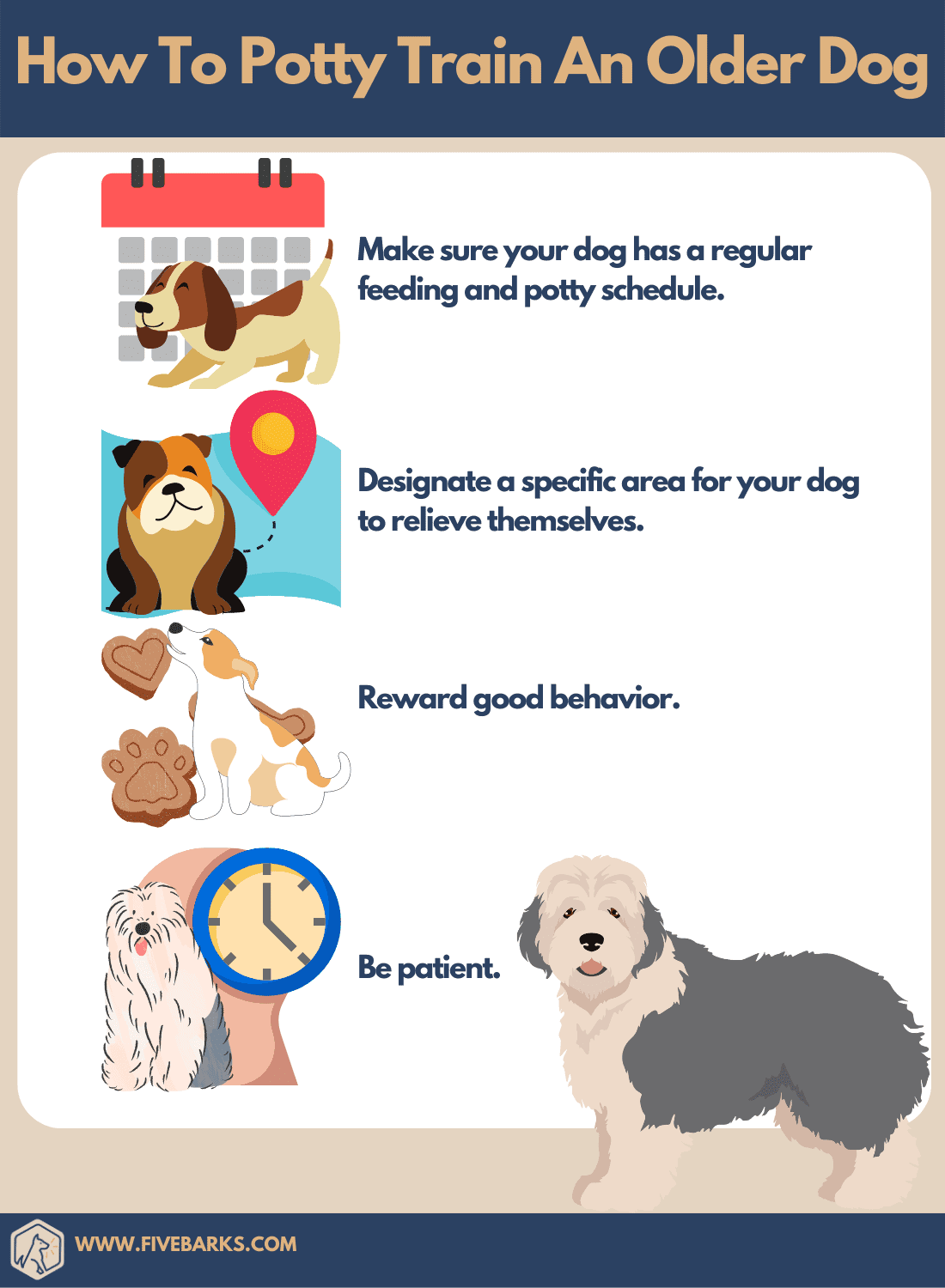
Training an older dog to pee outside can be a rewarding experience, bringing you and your canine companion closer while ensuring a cleaner home environment. While puppies are often associated with house-training, older dogs can certainly learn new tricks, including mastering outdoor potty habits. This guide will walk you through the process, offering a blend of patience, consistency, and positive reinforcement, drawing on established training principles and the unique needs of senior dogs.
Understanding the Challenges with Older Dogs
Older dogs may present unique challenges when it comes to house-training. Unlike puppies who are just learning, older dogs might have established habits, underlying medical conditions, or past experiences that influence their behavior.
- Established Habits: If an older dog has lived indoors for a long time, they may be accustomed to using potty pads or designated indoor spots. Changing these ingrained behaviors requires extra patience.
- Medical Issues: Urinary incontinence can be a common issue in older dogs due to age-related changes, hormonal imbalances, or other medical conditions. It’s crucial to rule out any health problems with your veterinarian before starting training.
- Cognitive Decline: In some cases, cognitive dysfunction syndrome can affect a dog’s ability to remember or maintain housetraining.
- Past Trauma or Neglect: Dogs from shelters or rescue situations may have a history that includes inconsistent house-training or negative associations with elimination.
Preparing for Success: Setting the Stage for Outdoor Potty Training
Before you begin the actual training, a few preparatory steps can significantly increase your chances of success. These involve understanding your dog’s signals, setting up a dedicated outdoor space, and gathering necessary supplies.
Choosing the Right Time and Supplies
- Consistent Schedule: Establish a predictable routine for feeding, playing, and potty breaks. Dogs thrive on routine, and this will help regulate their need to go outside.
- High-Value Rewards: Stock up on small, tasty treats that your dog absolutely loves. These will be used to reward successful outdoor potty breaks.
- Enzyme Cleaner: Accidents are bound to happen. An enzymatic cleaner is essential for thoroughly removing odors that might attract your dog back to the same spot indoors. Regular cleaners won’t suffice.
- Leash and Collar/Harness: A comfortable leash and collar or harness are necessary for taking your dog outside, especially in the initial stages.
Identifying Your Dog’s Potty Signals
Learning to read your dog’s cues is paramount. Common signals include:
- Circling
- Sniffing intently at the ground
- Whining or barking
- Pacing
- Stopping play abruptly
- Going towards the door
Recognizing these signals allows you to promptly take your dog outside, preventing accidents and reinforcing the desired behavior.
The Step-by-Step Training Process for Older Dogs
Consistent application of these steps is key. Don’t get discouraged by setbacks; they are a normal part of the learning process for any dog.
Step 1: Establish a Strict Potty Schedule
Take your dog outside frequently, especially:
- First thing in the morning.
- After waking up from naps.
- After meals and drinking.
- After periods of play or excitement.
- Right before bedtime.
Initially, aim for at least every 2-3 hours, adjusting based on your dog’s age, breed, and bladder control.
Step 2: Choose a Designated Potty Spot
Select a specific area in your yard where you want your dog to eliminate. Take them to this spot on leash for every potty break. The familiar scent of this area will encourage them to go. You can even bring a small amount of your dog’s urine on a paper towel to the spot to help them recognize it as their “bathroom.”
Step 3: Supervise Closely and Use Confinement When Necessary
When you are home, keep your dog on a leash tethered to you or within your direct line of sight. This close supervision helps you catch them in the act if they show signs of needing to go.
If you cannot supervise directly, use a crate or a confined area (like a small room with easy-to-clean floors) where they are less likely to have accidents. The crate should be just large enough for them to stand up, turn around, and lie down comfortably. Dogs are naturally clean and usually avoid soiling their sleeping area. This is particularly helpful for [how to house train an adult dog].
Step 4: Reward Success Enthusiastically
This is the most crucial step. The moment your dog finishes eliminating in the designated outdoor spot, praise them lavishly with an excited, happy tone. Immediately follow this with a high-value treat and perhaps a short play session. You want to create a strong positive association with going potty outside. The reward should be immediate, so be ready with your treats.
Step 5: Manage Accidents Calmly
If you catch your dog in the act of having an accident indoors, interrupt them with a sharp, but not frightening, sound (like a clap or a quick “Ah-ah!”). Immediately pick them up or lead them to their designated outdoor spot. If they finish eliminating outside, praise and reward them.
Never punish your dog for an accident after the fact. Dogs cannot connect punishment with an event that happened minutes or hours ago. This will only make them fearful of you and secretive about eliminating, hindering the training process. Clean up thoroughly with your enzymatic cleaner.
Step 6: Gradually Increase Freedom
As your dog starts having more successful outdoor potty breaks and fewer accidents, you can gradually increase their freedom within the house. Continue to supervise closely. If accidents start to increase again, it means you’ve progressed too quickly, and you should revert to closer supervision and more frequent potty breaks.
Special Considerations for Senior Dogs
- Potty Pads as a Transition: If your dog is used to potty pads, you can start by placing the pad in a larger cardboard box outside near the door. Gradually move the pad further away from the door and eventually outside to the designated potty spot. This helps bridge the gap between indoor and outdoor elimination.
- Medical Check-ups: Regular veterinary check-ups are essential to rule out or manage conditions like urinary tract infections, kidney disease, diabetes, or age-related incontinence. Your vet may recommend medication or supplements.
- Mobility Issues: If your older dog has mobility challenges, ensure the path to the potty spot is clear and safe. You might need to help them by carrying them or providing ramps. Keep potty breaks short and efficient if walking is difficult.
- Behavioral Training for Older Dogs: It’s important to remember that [can you train an older dog]? The answer is a resounding yes. Their ability to learn might be slower, and they may have less stamina, but their desire to please and their capacity for learning remain.
Troubleshooting Common Issues
- Dog refuses to go outside: Ensure they are not distracted by their environment. Go to a quieter area if possible. Rule out fear or anxiety. Try different times of day.
- Dog pees immediately after coming inside: This usually means they didn’t fully empty their bladder outside. Go back outside with them immediately. You might need to stay out longer.
- Dog is hesitant to pee in the designated spot: If you’ve ruled out medical issues, try scent marking the area more strongly. Increase the reward value. For some, [training dogs to pee outside] requires more patience and positive reinforcement than other aspects.
- Dog is marking territory: This is a common behavior, especially in unspayed or unneutered dogs, but can occur in altered dogs too. Ensure all accidents indoors are cleaned thoroughly. Neutering or spaying can help. Discuss territorial marking with your vet or a professional trainer. If indoor marking is an issue, consider strategies similar to [how to train a dog to not bark] in terms of consistency and redirection.
The Long-Term Benefits
Successfully training an older dog to pee outside not only results in a cleaner home but also strengthens the bond between you and your dog. It demonstrates your commitment to their well-being and provides them with more freedom and confidence. Consistent positive reinforcement and understanding their needs are the cornerstones of this training journey. Remember, every dog learns at their own pace, and celebrating small victories will make the process enjoyable for both of you. For those wondering [how to train a dog to urinate outside], patience and a structured approach are universally recommended.
