
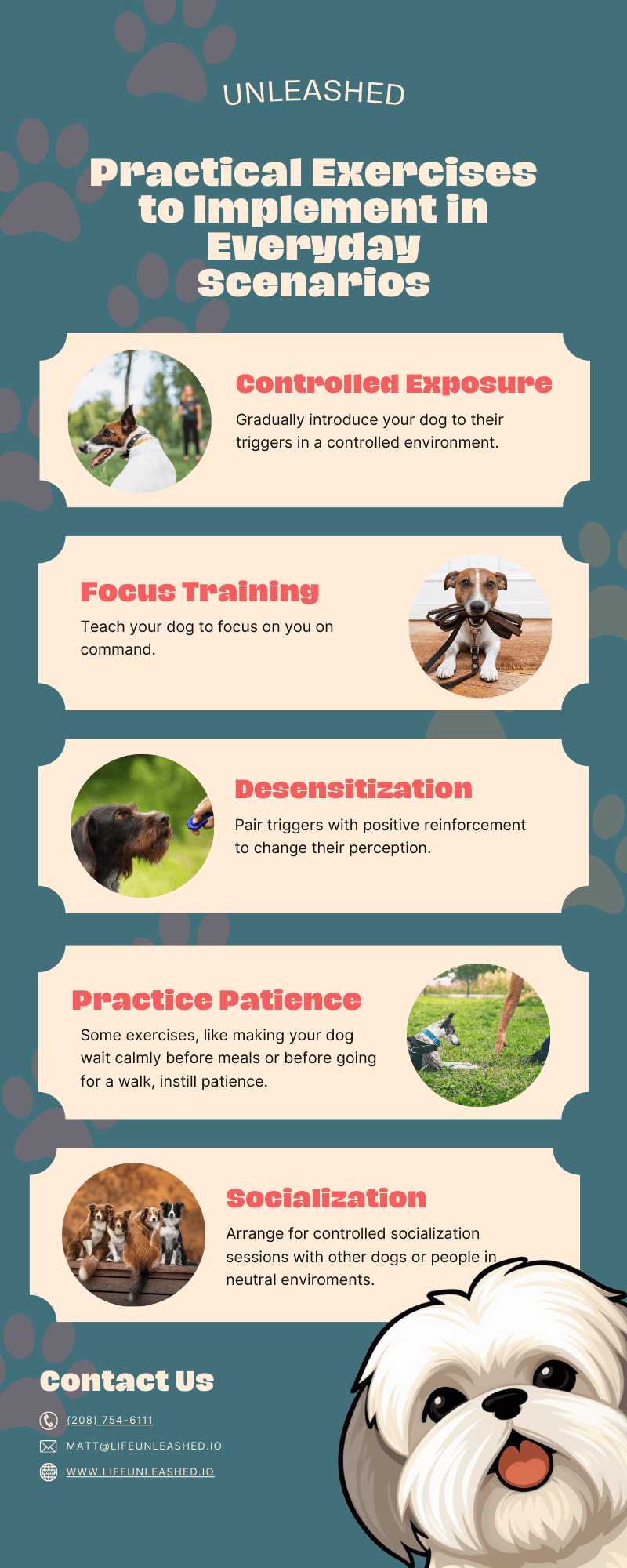
Dealing with a dog that displays aggression towards other dogs can be a deeply concerning and challenging experience for any owner. It’s a situation that requires patience, understanding, and a structured approach to training. The goal isn’t just to suppress the behavior, but to fundamentally change your dog’s emotional response and teach them more appropriate ways to interact. This guide will walk you through the process, focusing on building trust, understanding the root causes of aggression, and implementing effective training strategies. Remember, consistent effort and a positive outlook are key to success.
Understanding Canine Aggression Towards Other Dogs
Before diving into training techniques, it’s crucial to understand why dogs exhibit aggression towards their own kind. Aggression is a natural behavior, but when misdirected, it can be problematic. Common triggers include fear, possessiveness over resources (food, toys, or even their owner), territorial instincts, learned behavior from negative past experiences, or a lack of proper socialization during their formative puppy months. Sometimes, underlying medical conditions can also play a role, making it essential to rule out any health issues with your veterinarian. Understanding the specific reason behind your dog’s aggression is the first step toward a tailored training plan.
The Importance of Professional Guidance
While this guide offers comprehensive strategies, seeking professional help is highly recommended, especially for severe cases of aggression. A certified professional dog trainer or a veterinary behaviorist can assess your dog’s specific situation, identify triggers, and create a customized training program. They can also provide hands-on guidance and ensure that training is conducted safely for both your dog and others. Mismanaging aggressive behavior can unfortunately escalate the problem, so professional expertise is invaluable.
Step-by-Step Training Strategies
The foundation of training an aggressive dog lies in building a strong bond of trust and control. We’ll focus on positive reinforcement methods, which have proven most effective and humane.
1. Management: Preventing Rehearsal of Aggression
The most critical initial step is management. This means preventing your dog from having opportunities to practice aggressive behavior. Every time your dog reacts aggressively, the behavior is reinforced.
- Leash Control: Always keep your dog on a secure leash in public and in situations where they might encounter other dogs. A good quality, non-retractable leash is essential. Consider a front-clip harness or a head halter for better control if needed.
- Environmental Management: Avoid dog parks or other off-leash areas where interactions can be unpredictable. If you have a yard, ensure it’s securely fenced to prevent escapes.
- Avoiding Triggers: Identify specific situations or types of dogs that trigger your dog’s aggression and try to avoid them initially while you work on training.
2. Desensitization and Counter-Conditioning (DSCC)
This is the core of changing your dog’s emotional response from negative to positive. The goal is to change how your dog feels about other dogs.
- Desensitization: Gradually expose your dog to the sight of other dogs at a distance where they remain calm and do not react. This distance is often called the “threshold.” Start far away – perhaps across a park or street.
- Counter-Conditioning: The moment your dog notices another dog (at that safe, sub-threshold distance) and remains calm, reward them with a high-value treat (like small pieces of chicken, cheese, or special dog treats). The idea is to create a positive association: “Seeing another dog means good things happen!”
- Gradual Approach: As your dog becomes more comfortable at a distance, slowly decrease the distance over many sessions, always ensuring they stay below their reaction threshold. If your dog starts to show signs of stress (stiffening, staring, growling), you’ve moved too close too fast. Increase the distance again and work at a level where they are comfortable.
3. Building Impulse Control and Obedience
A dog that has good impulse control and reliably listens to commands is easier to manage in challenging situations.
- Basic Obedience: Ensure your dog has a solid understanding of basic commands like “sit,” “stay,” “come,” and “leave it.” Practice these commands regularly in various environments.
- “Look at Me” / “Watch Me”: Teach your dog to make eye contact with you on cue. This is incredibly useful for redirecting their attention away from a trigger. When another dog appears, cue “Look at me” and reward them for focusing on you.
- “Leave It”: This command is vital for teaching your dog to disengage from something they are fixated on, whether it’s a toy, food, or another dog.
4. Teaching Alternative Behaviors
Instead of just telling your dog what not to do, teach them what to do instead.
- “Find It”: Scatter treats on the ground when another dog is present at a distance. This redirects your dog’s focus downwards and encourages sniffing, which is a calming activity.
- Parallel Walking: If possible and safe, practice walking parallel to a calm, well-behaved dog at a significant distance. Reward your dog for calmly walking alongside you. This helps them get used to the presence of other dogs without direct interaction.
5. Socialization (Carefully Managed)
If your dog’s aggression stems from fear or lack of socialization, controlled introductions can be beneficial, but only under the guidance of a professional and with carefully selected, calm dogs.
- Controlled Setups: Arrange meetings with known, calm, dog-friendly dogs in a neutral territory. Keep the initial interactions short and positive.
- Focus on Calmness: The goal is to create positive, low-pressure experiences. If either dog shows signs of stress, end the interaction immediately. This is about quality, not quantity, of interactions.
Addressing Specific Aggression Issues
- Resource Guarding: If your dog is aggressive towards other dogs when food or toys are involved, practice the “leave it” command consistently and implement structured feeding routines. Ensure you never put your dog in a situation where they feel the need to guard resources from another dog.
- Fear-Based Aggression: This requires extensive DSCC and building your dog’s confidence. Focus on creating positive experiences and ensuring your dog feels safe and secure.
- Leash Reactivity: Many dogs are well-behaved off-leash but become reactive when on a leash. This is often due to feeling trapped or frustrated. The DSCC techniques are particularly effective here, along with impulse control exercises. For strategies related to a more specific issue, consider resources on training for aggressive dog behavior.
Realistic Expectations and Long-Term Commitment
Changing deeply ingrained aggressive behavior is a marathon, not a sprint. There will be good days and bad days. It’s crucial to remain patient, consistent, and positive. Celebrate small victories and don’t get discouraged by setbacks. For breeds with strong protective instincts, like a training a livestock guardian dog, understanding their innate drives is also part of the training process. Consistent application of these techniques, potentially with the help of professionals like those found in los angeles dog training services, can lead to significant improvements.
The Role of Diet and Exercise
A well-exercised and properly-nourished dog is generally a happier and more well-behaved dog. Ensure your dog receives adequate physical and mental stimulation daily. This can help reduce overall anxiety and pent-up energy that might contribute to aggression. Consult with your veterinarian about the best diet for your dog’s age, breed, and activity level.
Conclusion: Building a Peaceful Coexistence
Transforming an aggressive dog’s behavior towards other dogs is a journey that requires dedication and a deep understanding of canine psychology. By focusing on management, desensitization and counter-conditioning, building impulse control, and seeking professional help when needed, you can help your dog become more comfortable and less reactive around other dogs. The ultimate aim is to foster a more peaceful coexistence, ensuring the safety and well-being of your dog, other dogs, and yourself. It’s about helping your dog build confidence and learn that other dogs don’t always mean trouble, but can, with time and training, be a neutral or even positive part of their world.
