
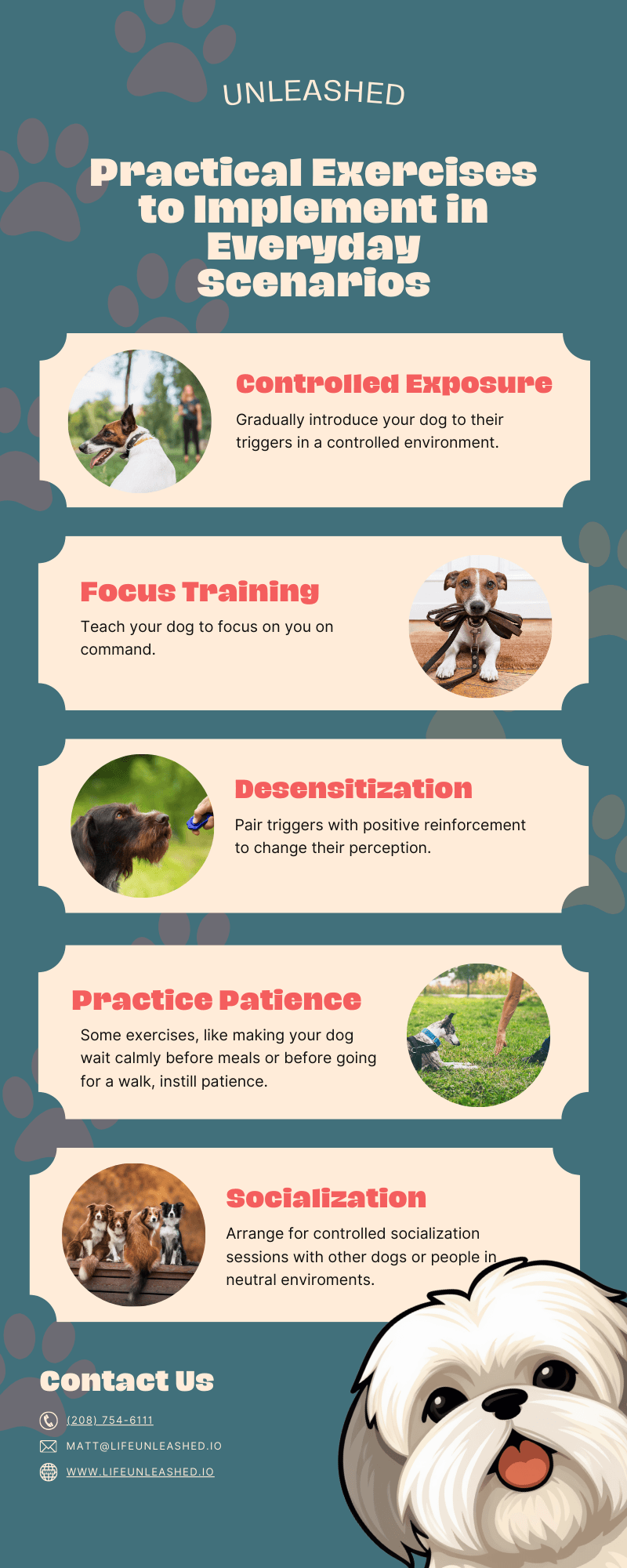
Aggressive behavior in dogs is a serious concern for owners, often stemming from fear, anxiety, or learned responses. Understanding the root causes and implementing appropriate training strategies are crucial for managing and redirecting this behavior. This guide offers a deep dive into effective techniques for aggressive dog training, emphasizing patience, consistency, and professional guidance to foster a safer and more harmonious relationship between you and your canine companion.
Understanding Canine Aggression: Why Dogs Become Aggressive
Canine aggression isn’t a simple trait but a complex behavior with various triggers and underlying reasons. Recognizing these causes is the first step toward effective management. Common factors contributing to aggression include:
- Fear-based Aggression: Often displayed by dogs who feel threatened or cornered. They may bark, growl, or even bite to create distance and protect themselves. This is frequently seen in dogs with a history of abuse or neglect.
- Resource Guarding: This occurs when a dog becomes possessive over valuable items like food, toys, or even their favorite resting spot. They may exhibit growling, snapping, or aggressive lunging to ward off perceived threats to their resources.
- Pain or Medical Issues: Sudden aggression can be a sign of an underlying medical condition. A dog in pain might lash out if touched or approached, as it associates contact with discomfort.
- Frustration-Aggression: When a dog is prevented from reaching a goal, such as chasing a squirrel or greeting another dog, they can become frustrated and express it through aggression.
- Territorial Aggression: This is a natural instinct where dogs defend their perceived territory, whether it’s their home, yard, or even their owner, from intruders.
- Social Aggression: This can manifest in various ways, including dominance-related aggression or inter-dog aggression, especially if the dog hasn’t been properly socialized.
It’s vital to consult with a veterinarian to rule out any medical causes before assuming the aggression is purely behavioral.
The Foundation of Aggressive Dog Training: Safety First
Before diving into training techniques, establishing a safe environment is paramount. This protects both the dog and those around them.
- Muzzle Training: Properly introduced, a basket muzzle can be a lifesaver, preventing bites while allowing the dog to pant, drink, and even take treats. This is a crucial tool during the rehabilitation process.
- Management Techniques: This involves preventing the dog from being in situations that trigger their aggression. This might mean avoiding dog parks, keeping them on a leash in public, and managing interactions with visitors at home.
- Leash and Harness: Using a sturdy leash and a well-fitting harness can provide better control and prevent accidental escapes that could lead to dangerous situations.
Effective Training Strategies for Aggressive Dogs
Once safety is prioritized, a structured training approach can begin. This often involves a combination of behavior modification techniques.
Desensitization and Counter-Conditioning (DSCC)
DSCC is a cornerstone of treating fear and anxiety-related aggression. The goal is to change the dog’s emotional response to a trigger.
- Desensitization: Gradually expose the dog to the trigger (e.g., another dog, a specific person) at a distance or intensity where they do not react aggressively. This is often referred to as being “below threshold.”
- Counter-Conditioning: While the dog is exposed to the trigger at a safe distance, pair it with something highly positive, like delicious treats or a favorite toy. The aim is for the dog to associate the trigger with good things.
For example, if a dog is aggressive towards other dogs on walks, you’d start by having them see another dog at a very long distance (where they don’t react). As soon as they notice the other dog, you’d start feeding them high-value treats. When the other dog is gone, the treats stop. Over time, as the dog becomes comfortable, you can gradually decrease the distance. This process requires immense patience and careful observation of the dog’s body language. For specific guidance on handling aggression towards other dogs, resources like how to train an aggressive dog towards other dogs can be invaluable.
Positive Reinforcement
This method focuses on rewarding desired behaviors, making them more likely to occur. For an aggressive dog, this means rewarding calm behavior in the presence of triggers or rewarding successful attempts at alternative behaviors. For instance, rewarding a dog for looking at a trigger and then looking back at you for a treat.
Teaching Impulse Control
Aggressive dogs often struggle with impulse control. Teaching commands that require self-control can be beneficial.
- “Leave It”: Crucial for resource guarding and preventing a dog from fixating on undesirable items.
- “Stay”: Helps dogs learn to remain calm and controlled in various situations.
- “Wait”: Often used at doorways or before meals, teaching the dog to pause and await permission.
Building Confidence
Many aggressive behaviors stem from insecurity. Building a dog’s confidence through positive experiences and training successes can significantly reduce aggression. This might involve teaching new tricks, engaging in scent work, or participating in activities that the dog enjoys and excels at.
Professional Guidance: When to Seek Help
Aggressive dog training is not a DIY project for severe cases. Working with qualified professionals is often essential for safety and effectiveness.
Certified Professional Dog Trainers (CPDT-KA/SA)
Look for trainers certified by reputable organizations. They use science-based methods and can assess your dog’s specific situation to create a tailored training plan. They will prioritize safety and ethical treatment.
Veterinary Behaviorists (DACVB)
For complex or severe aggression cases, a veterinary behaviorist is the most qualified professional. They are veterinarians with specialized training in animal behavior and can diagnose underlying medical conditions, prescribe medication if necessary, and develop comprehensive behavior modification plans.
The Role of Professional Intervention
Professionals can:
- Accurately diagnose the type and cause of aggression.
- Develop a safe and effective training plan.
- Provide hands-on guidance and support.
- Help you understand your dog’s body language and stress signals.
- Adapt the plan as your dog progresses.
If you’re dealing with a dog that exhibits aggression towards other animals, understanding specialized approaches like how to train an aggressive dog with other dogs is crucial, and a professional can guide you through these nuanced techniques.
Common Mistakes to Avoid in Aggressive Dog Training
Navigating aggressive dog training requires awareness to prevent common pitfalls that can exacerbate the problem.
- Punishment-Based Methods: Using aversive tools like choke chains, prong collars, or shock collars can suppress behavior temporarily but often increase fear and anxiety, potentially leading to more severe aggression or redirected bites. These methods are strongly discouraged by modern behavior professionals.
- Flooding: Exposing the dog to their trigger at full intensity in an attempt to “overwhelm” them into submission is dangerous and can cause lasting psychological damage.
- Inconsistency: Lack of consistency in applying rules and training cues confuses the dog and hinders progress. Everyone in the household must be on the same page.
- Ignoring Early Warning Signs: Missing subtle cues like lip licking, yawning, or whale eye can lead to escalation. Learning to read your dog’s body language is critical.
- Overestimating Progress: Believing the dog is “cured” too soon and reintroducing high-risk situations prematurely can lead to setbacks. Rehabilitation is often a lifelong process for some dogs.
For owners of specific breeds, like German Shepherds, facing aggression challenges, seeking breed-specific advice such as dog training for aggressive german shepherd can offer targeted strategies, but always with professional oversight.
Living Harmoniously with an Aggressive Dog
Rehabilitation is a journey, and success means learning to manage the dog’s behavior effectively for a lifetime. This involves:
- Continued Management: Even after significant progress, maintaining management strategies is key to preventing relapses.
- Ongoing Training: Reinforce good behavior and practice known commands regularly.
- Owner Education: Continuously learning about canine behavior and body language is essential.
- Building Trust: A strong, trusting bond is the foundation for managing aggression.
Frequently Asked Questions About Aggressive Dog Training
Q1: Can an aggressive dog be trained?
A1: Yes, many aggressive dogs can be trained and rehabilitated with the right approach, professional guidance, and a commitment to safety and management. The goal is often to manage the behavior and reduce the frequency and intensity of aggressive incidents.
Q2: How long does aggressive dog training take?
A2: The timeline varies greatly depending on the dog, the severity of the aggression, the underlying causes, and the owner’s consistency. Some cases may show improvement in weeks, while others can take months or even years.
Q3: What should I do if my dog shows aggression?
A3: Prioritize safety immediately. Avoid situations that trigger aggression, consider muzzle training, and consult a veterinarian to rule out medical issues. Then, seek help from a certified professional dog trainer or a veterinary behaviorist.
Q4: Is it safe to have aggressive dog training in public places?
A4: Only under strict professional supervision and with appropriate safety measures (like muzzle training) in place. Training should begin in controlled environments and gradually progress to more challenging settings as the dog improves. Resources like aggressive dog training orange county can help you find local professionals who understand these safety protocols.
Q5: Can positive reinforcement work for aggression?
A5: Absolutely. Positive reinforcement, combined with desensitization and counter-conditioning, is widely considered the most ethical and effective approach for treating aggression, as it addresses the underlying emotional state rather than just suppressing behavior.
Conclusion: A Journey of Understanding and Patience
Aggressive dog training is a challenging but rewarding endeavor. By understanding the root causes of aggression, prioritizing safety, employing evidence-based training techniques, and seeking professional help when needed, you can make significant strides in managing and improving your dog’s behavior. Remember that every dog is an individual, and patience, consistency, and compassion are your most powerful tools in transforming their behavior and strengthening your bond. The journey may be long, but the result—a safer, happier dog and a more peaceful home—is well worth the effort.
