
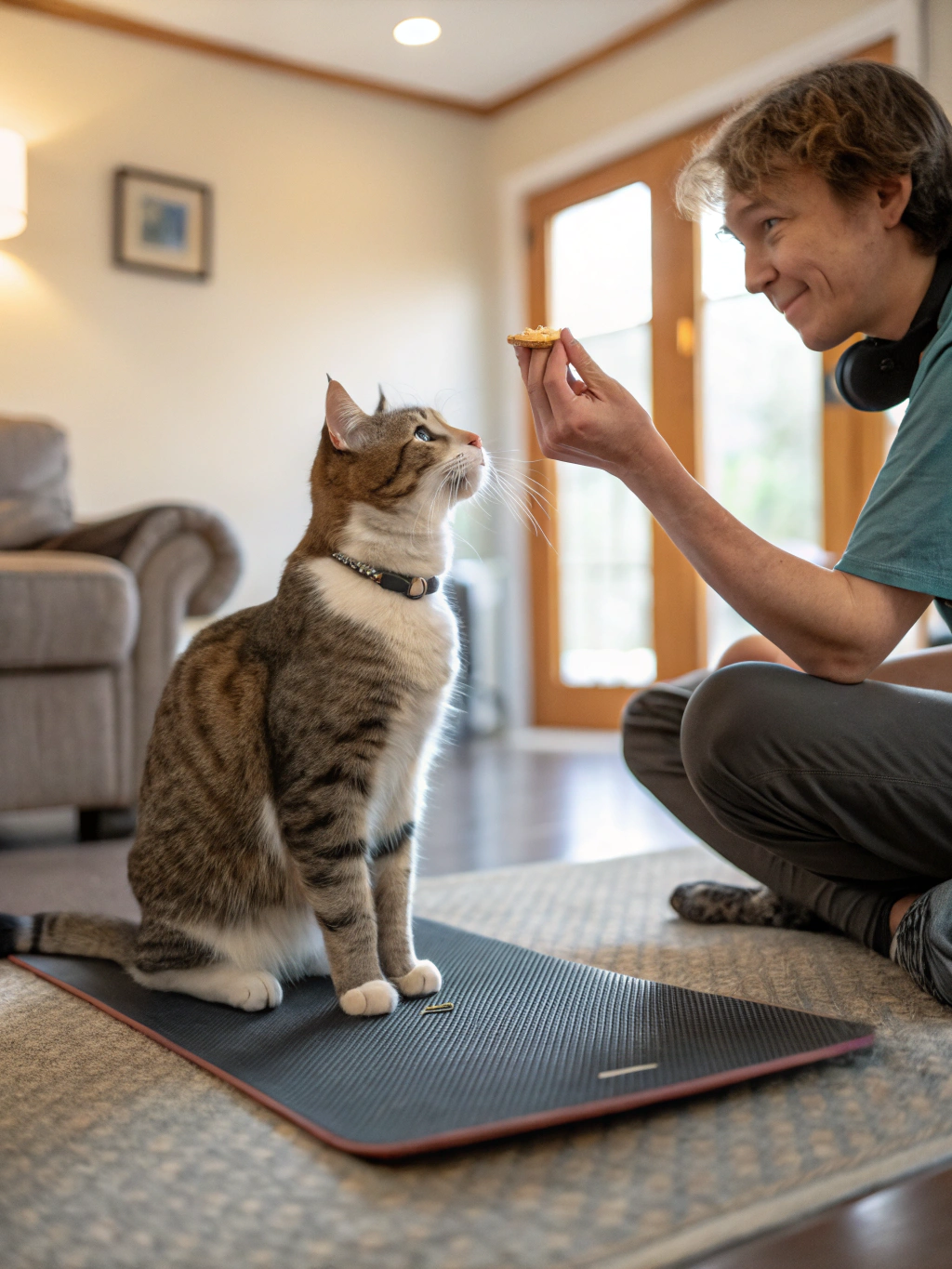
Bringing a new cat or kitten into your home is an exciting time, and training can be a rewarding experience for both you and your feline companion. While cats are often perceived as independent, they are capable of learning a variety of behaviors. To make the training process enjoyable and effective, having the right tools and understanding key principles is essential. This guide will walk you through the necessary supplies and provide actionable tips to set you and your cat up for success.
Essential Cat Training Tools
To embark on your cat training journey, a few basic items are indispensable. These tools will help facilitate communication and positive reinforcement.
The fundamental training materials include:
- High-value treats: Small, palatable treats that your cat absolutely loves. These should be different from their regular food to serve as a special reward.
- Clicker: A small device that makes a distinct clicking sound. This sound acts as a marker, signaling to your cat the exact moment they perform the desired behavior.
If you wish to acquire all the materials you might eventually need, consider these additional recommended items:
- Treat pouch: A convenient way to keep treats accessible during training sessions.
- Target stick: A wand with a ball or tip on the end, used to guide your cat into performing specific movements or positions.
- Interactive toys: Toys that engage your cat’s natural instincts, which can be incorporated into training.
Deciding What to Train Your Cat To Do
The possibilities for training your cat are vast, offering endless opportunities for engagement. However, this breadth of options can initially feel overwhelming. With so many potential behaviors to work on, establishing a starting point is crucial.
To keep both you and your kitty focused from the outset, it’s important to decide on the initial behaviors you’d like to teach. What are your training goals? Are you aiming to modify an undesirable behavior, cultivate practical skills, or teach fun tricks? Making this initial choice does not preclude you from exploring other areas later on. It simply provides a solid foundation and prevents you from attempting too many different things too soon.
9 Cat Training Tips for Effective Learning
You’ve now gathered the recommended tools and materials and have chosen your training path. It’s time to begin!
1. Start with Something Easy
As with any new endeavor, it’s important to begin with the fundamentals. While it might be tempting to immediately train your cat to jump through a hoop, this approach could lead to frustration for both of you. Start with simple skills to demonstrate to your cat that training is enjoyable and straightforward.
Teaching your cat that the “click” sound signifies an upcoming treat is the initial step in clicker training. Once your cat understands the clicker’s meaning, you might consider teaching them to sit. Target training is also an excellent beginner skill. By mastering these foundational skills, you’ll be well-prepared to progress to more complex behaviors. You can discover easy tricks to teach a cat to build upon these basics.
2. Keep Training Sessions Short
It can be challenging to maintain a cat’s attention, especially when they are new to training. Shorter sessions will help keep your cat focused and prevent them from losing interest or becoming frustrated.
When your cat is just beginning, we recommend sessions lasting 3-5 minutes, once or twice a day. Short, frequent, and consistent training sessions are significantly more effective than longer, infrequent ones. For instance, having two to three 5-minute training sessions daily is generally better than a single 15-minute session.
As your cat progresses, you can gradually increase the duration of your training sessions. If possible, try to conclude each session on a positive note, before your cat shows signs of disinterest.
3. Eliminate Distractions
Choose a quiet area in your home for your cat training sessions—a place with minimal distractions. Family members, other pets, and ambient noises can be quite distracting, making it difficult for your cat to concentrate.
If you have other pets, confine them to another room so that you and your cat can focus solely on each other and the training. While strategies exist for training multiple cats simultaneously, it’s best to start by working with just one cat at a time. Mastering how to train your cats individually first will make group training easier later.
4. Reward Immediately and Consistently
The clicker precisely marks the correct behavior, letting your cat know which action earned the reward. For clicker training to be effective, it is crucial to click at the exact moment your cat performs the desired behavior. Because the click signifies a promised reward, it is essential always to give your cat a treat immediately after clicking. Behaviors that are rewarded are more likely to be repeated. Once your cat understands which behavior is earning treats, they will begin to offer that behavior, making it easier for you to introduce a verbal cue or hand signal later on. Can you teach a cat commands? With consistent positive reinforcement, the answer is yes.
5. Use Positive Reinforcement
Positive reinforcement is the cornerstone of effective cat training. This method focuses on rewarding desired behaviors, making them more likely to occur again. Avoid punishment-based methods, as these can lead to fear, anxiety, and a damaged relationship with your cat. Celebrate small victories and maintain a positive attitude throughout the training process.
6. Be Patient and Persistent
Cats learn at their own pace, and some behaviors may take longer to master than others. It’s crucial to remain patient and persistent, celebrating every small step forward. Avoid getting discouraged if your cat doesn’t grasp a concept immediately. Consistency is key; regular, short training sessions will yield better results than infrequent, long ones. If you’re wondering how to teach a cat to come, patience and consistent rewarding are your best tools.
7. Understand Cat Body Language
Paying attention to your cat’s body language is vital during training. Signs of stress, fear, or overstimulation include flattened ears, a twitching tail, dilated pupils, or vocalizations. If you notice any of these signals, it’s time to end the training session and give your cat a break. Respecting their cues ensures a positive and safe training environment.
8. Make it Fun and Engaging
Training should be an enjoyable bonding experience for both you and your cat. Keep the atmosphere light and playful. Use an enthusiastic tone of voice and celebrate successes with praise and affection in addition to treats. When training becomes a game, your cat will be more motivated to participate and learn. This is especially true when teaching tricks to teach a kitten.
9. End on a Positive Note
Always aim to conclude your training sessions on a successful and positive note. If your cat has been struggling with a particular behavior, ask them to perform a simple, known command that they can execute successfully. Reward them generously for this accomplishment. This ensures that your cat finishes the session feeling confident and eager for the next one.
By implementing these tools and tips, you can foster a deeper bond with your cat while teaching them valuable skills. Consistent, positive, and patient training is the key to a well-behaved and happy feline companion.
