
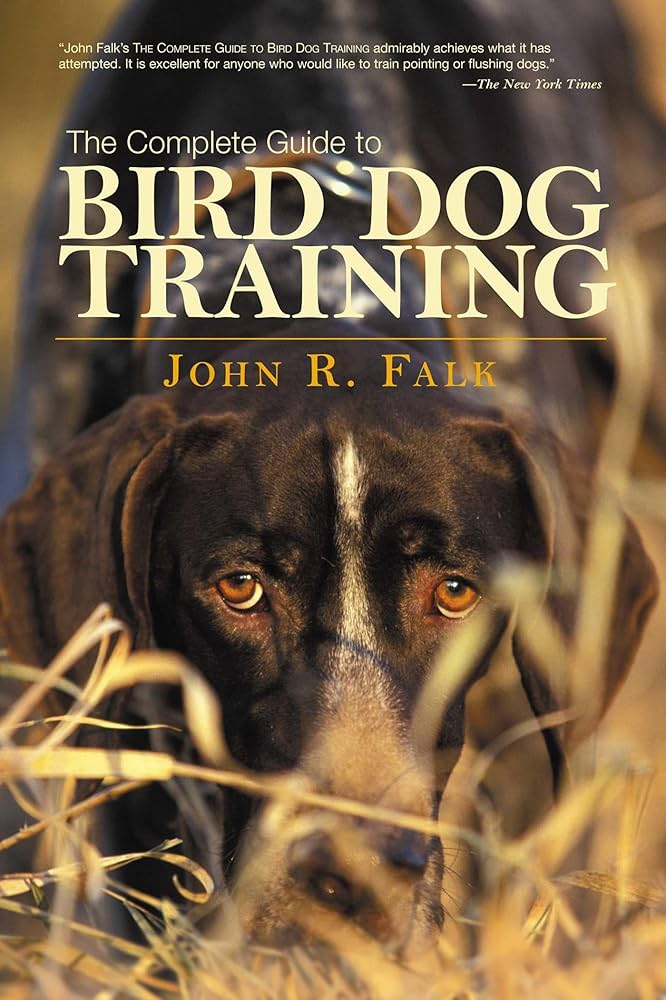
Training a waterfowl dog is a rewarding journey that combines the dog’s natural instincts with consistent, positive reinforcement. These dogs are bred for a specific purpose: to work alongside hunters in challenging environments, retrieving downed birds from water and fields. The process requires patience, understanding, and a clear training plan. Whether you’re a seasoned hunter or new to the sport, mastering the fundamentals of waterfowl dog training will ensure your canine companion is a reliable and enthusiastic partner in the blind.
Understanding Your Waterfowl Dog’s Instincts
Waterfowl dogs, often breeds like Labrador Retrievers, Golden Retrievers, and Chesapeake Bay Retrievers, possess inherent traits that make them ideal for this work. They typically have a strong desire to retrieve, a love for water, a sturdy build, and a dense coat to protect them from cold conditions. Recognizing these instincts is the first step in effective training. Their drive to please their handler, combined with their natural abilities, forms the foundation upon which all training is built.
Essential Foundations: Building Blocks for Success
Before diving into advanced water work, it’s crucial to establish a solid foundation of basic obedience. This ensures your dog is responsive and manageable in distracting environments.
1. Obedience Basics
- “Sit” and “Stay”: These commands are paramount for control. Your dog must remain calmly in a sit or stay position until released, even with distractions. This is vital for safety and managing their excitement.
- “Come” (Recall): An impeccable recall is non-negotiable. Your dog must return to you immediately when called, regardless of what they are doing.
- “Heel”: While not always strictly necessary in the field, a well-behaved dog that walks calmly beside you is easier to manage.
- “Down”: Similar to “stay,” a “down” command allows for a lower, more relaxed posture, which can be useful for keeping a dog concealed.
2. Crate Training and House Manners
A dog that is comfortable in a crate is easier to transport and manage. Furthermore, good house manners, such as not jumping on furniture or begging for food, translate to better behavior in the field.
Introducing Water and Retrieving
The transition to water work should be gradual and positive. The goal is to build a confident and eager water retriever.
Gradual Water Acclimation
- Shallow Water Introduction: Start in calm, shallow water where your dog can comfortably stand. Encourage them to enter by tossing a favorite toy just a few feet in.
- Positive Association: Make every water experience enjoyable. Praise and reward your dog for entering the water and for retrieving toys from it.
- Avoid Forcing: Never force a dog into the water. This can create a lasting aversion. Instead, use enthusiasm and encouragement.
The Joy of the Retrieve
- “Fetch” with Toys: Begin with short-distance retrieves on land with toys. Ensure your dog understands the concept of bringing the toy back to you.
- Introducing the Dummy: Once land retrieves are solid, move to shallow water. Use a floating dummy, starting with short distances.
- Building Distance: Gradually increase the distance of the retrieves as your dog gains confidence.
- “Drop It” Command: Teach your dog to release the dummy on command. This is essential for efficient retrieving.
Advanced Waterfowl Training Techniques
As your dog masters the basics, you can introduce more specific waterfowl training elements.
Steadiness and Control
- The “Wait” Command: Teaching your dog to wait patiently for a retrieve command is crucial. This prevents them from breaking point or running off prematurely.
- Marking: A good waterfowl dog must “mark” where a bird falls. This means they watch the bird’s flight path and remember the landing spot, even if it’s in thick cover. Training involves encouraging them to watch the bird fall and then pointing them toward the retrieve.
Introducing the Blind
- Blind Retrieves: These are retrieves where the dog does not see the bird or dummy thrown. You must send them to a specific location based on your commands and whistle signals.
- Whistle Commands: Master whistle signals for “come,” “stay,” “left,” “right,” and “here.” These are vital for directing your dog during blind retrieves.
- Gradual Progression: Start blind retrieves in an open area with minimal distractions. Slowly introduce more complex scenarios, such as retrieving over obstacles or from dense cover.
Shot Introduction and Force Fetch
- Controlled Shot Introduction: Introduce the sound of a shotgun at a low volume, paired with positive reinforcement (e.g., a treat or a toy). Gradually increase the volume and simulate gunfire during retrieving exercises. The goal is for the dog to associate the sound with the enjoyable activity of retrieving.
- Force Fetch (Optional but Recommended): This is a method to ensure your dog will pick up and hold any downed bird. It involves teaching the dog that holding and retrieving the dummy is the quickest way to get released from a mild pressure. This should be done by a qualified trainer if you are unfamiliar with the technique.
Health, Nutrition, and Equipment
Proper care, nutrition, and the right equipment are essential for a healthy and effective waterfowl dog.
Nutrition for the Working Dog
Waterfowl dogs are athletes and require a high-quality diet that supports their energy needs and physical demands. Consult with your veterinarian about the best food options for an active dog.
Essential Gear
- Life Vest: A properly fitted life vest provides buoyancy and visibility, especially important for long swims or in cold water.
- Floating Dummies and Training Aids: Essential for retrieving training.
- Whistle: A high-frequency whistle is crucial for long-distance communication.
- GPS Tracker: For added safety in vast hunting areas.
- First-Aid Kit: For minor injuries in the field.
Common Challenges and Solutions
Even with the best training, challenges can arise. Patience and a consistent approach are key.
Address Breaking Stash
If your dog breaks their “stay” or runs in before being sent, go back to basics with steadiness training. Use a long lead and a remote launcher to practice sending them only when you give the command.
Over-Excitement
Some dogs get overly excited and may become frantic. Channel this energy into directed retrieves. Keep training sessions short and rewarding, and reinforce calm behavior.
Fear of Water or Gunfire
If your dog shows fear, go back to earlier stages of training. Reintroduce water and sounds very gradually, ensuring each step is a positive experience. Reward any progress, no matter how small.
Conclusion: The Rewarding Partnership
Training a waterfowl dog is a commitment, but the bond and partnership it creates are incredibly rewarding. By understanding your dog’s natural abilities, building a strong foundation of obedience, and progressively introducing water and hunting-specific skills, you can develop a reliable and enthusiastic hunting companion. Remember that consistency, positive reinforcement, and patience are your greatest tools. Enjoy the process, and savor the moments in the blind with your well-trained canine partner.
