
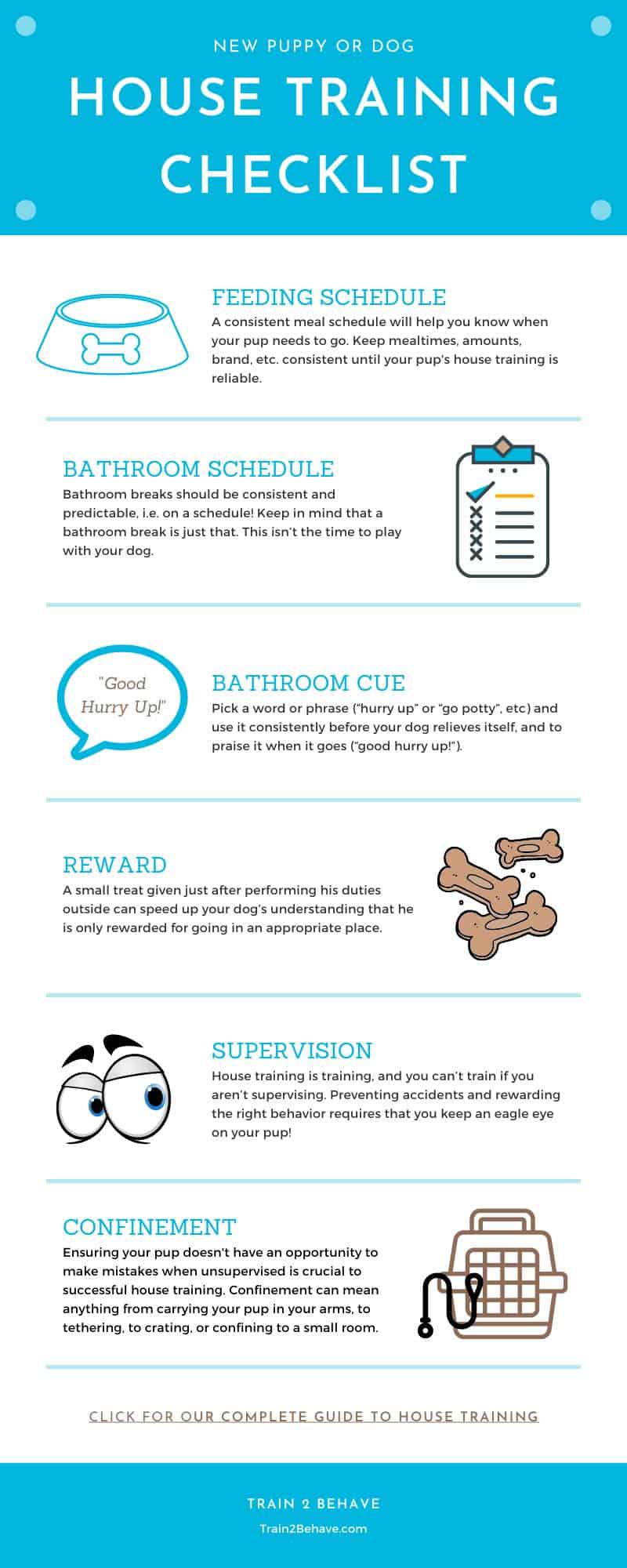
Establishing a consistent potty schedule for your dog is a cornerstone of successful house training. Understanding a dog’s natural urges and implementing a structured approach can significantly reduce accidents and foster a cleaner living environment. This guide will explore the typical reasons behind a dog’s need to relieve themselves and outline effective strategies for house training, drawing upon established methods for both puppies and adult dogs.
Recognizing Your Dog’s Potty Triggers
Dogs typically need to defecate within 15 to 45 minutes after eating, after periods of significant physical activity such as play or a long walk, or when they are experiencing nervousness. Many adult dogs settle into a routine, often having a bowel movement in the morning, potentially again in the afternoon, and then in the evening. For puppies or dogs still being house-trained, consistency is key. If a dog hasn’t yet had a bowel movement in the morning, it’s crucial to assume they may need to go when taken outside.
Implementing Effective Potty Training Strategies
For puppies who are not yet accustomed to a crate, initial crying is common. If you are certain the puppy does not need to go potty, it’s important to ignore the crying. Most dogs will adapt if you remain consistent. To aid in adjustment, you can provide a food-stuffed hollow chew toy and periodically sprinkle treats into the crate during quiet moments to reinforce calmness. If the protesting continues for extended periods beyond five days, consider using a “Pet Convincer” as a deterrent for excessive barking and crying.
Crate Training for Housebreaking
A highly effective method for house training is crate training. When setting up a crate, ensure it contains no absorbent materials, such as a soft bed or towel. The crate should be just large enough for your dog to turn around, lie down, and stand up comfortably. A crate that is too large may allow the dog to relieve themselves in one end and avoid it by standing in the other, undermining the goal of keeping a confined space clean. Dogs possess a natural inclination to keep their den area tidy, and a properly sized crate encourages this instinct.
When cleaning up accidents, use an enzymatic cleaner. These cleaners are essential for removing not only the visible mess but also the lingering scent that can encourage the dog to repeat the same spot. While the following method is geared towards younger puppies, you can adjust the timings for an older dog, taking them out less frequently. A suggested schedule for an older dog at home is every three hours. After a period of freedom outside the crate, typically 1.5 hours or sooner if an accident occurs, return the dog to the crate. This allows their bladder to refill until it has been three hours since their last potty trip.
Building Bladder Control
When you need to leave your dog for an extended period, they should ideally be able to hold their bladder in the crate for 5-7 hours. Initially, this duration may need to be shorter as they acclimate to the crate, gradually increasing as they become more accustomed to it. However, this extended waiting period should only be enforced when you are not home. While you are present, take your dog out approximately every three hours. The objective is to cultivate a habit of holding their bladder between potty breaks, rather than eliminating whenever the urge arises. This also reinforces their desire for cleanliness within your home, a behavior the crate greatly assists in promoting. Limiting freedom temporarily can lead to greater freedom and independence later in your dog’s life.
Addressing Excessive Barking and Crying
To work on teaching your dog the “Quiet” command, use the method described in the linked article. When your dog barks or cries, issue the “Quiet” command. If they cease and remain quiet, calmly sprinkle a few pieces of dog food through the crate wires and then depart again. If they disobey the command and continue crying, or stop but then resume, calmly administer a small puff of unscented air from the Pet Convincer towards their side through the crate while saying “Ah Ah.” Then, leave again. Should your dog remain quiet after you leave, periodically sprinkle treats into the crate as a reward for their silence. Always use unscented air from the Pet Convincer; avoid citronella, as its potency and lingering scent can be overwhelming and confusing for dogs.
For more detailed guidance on specific training techniques, such as preventing puppy biting, explore resources like puppy training for biting and nipping. Understanding how to get a puppy to stop jumping on you and addressing how can I get my puppy to stop biting are also crucial aspects of early training.
Conclusion: Consistency is Key
Mastering your dog’s potty schedule and successfully house-training them requires patience, consistency, and a thorough understanding of their needs. By implementing strategies like crate training, recognizing their natural cues, and addressing behavioral challenges such as excessive barking, you can build a strong foundation for a well-behaved and happy companion. Remember that less freedom now, through consistent training, ultimately leads to more freedom and trust in the future. For further insights into specific training challenges, consider resources on dog biting training puppy.
