
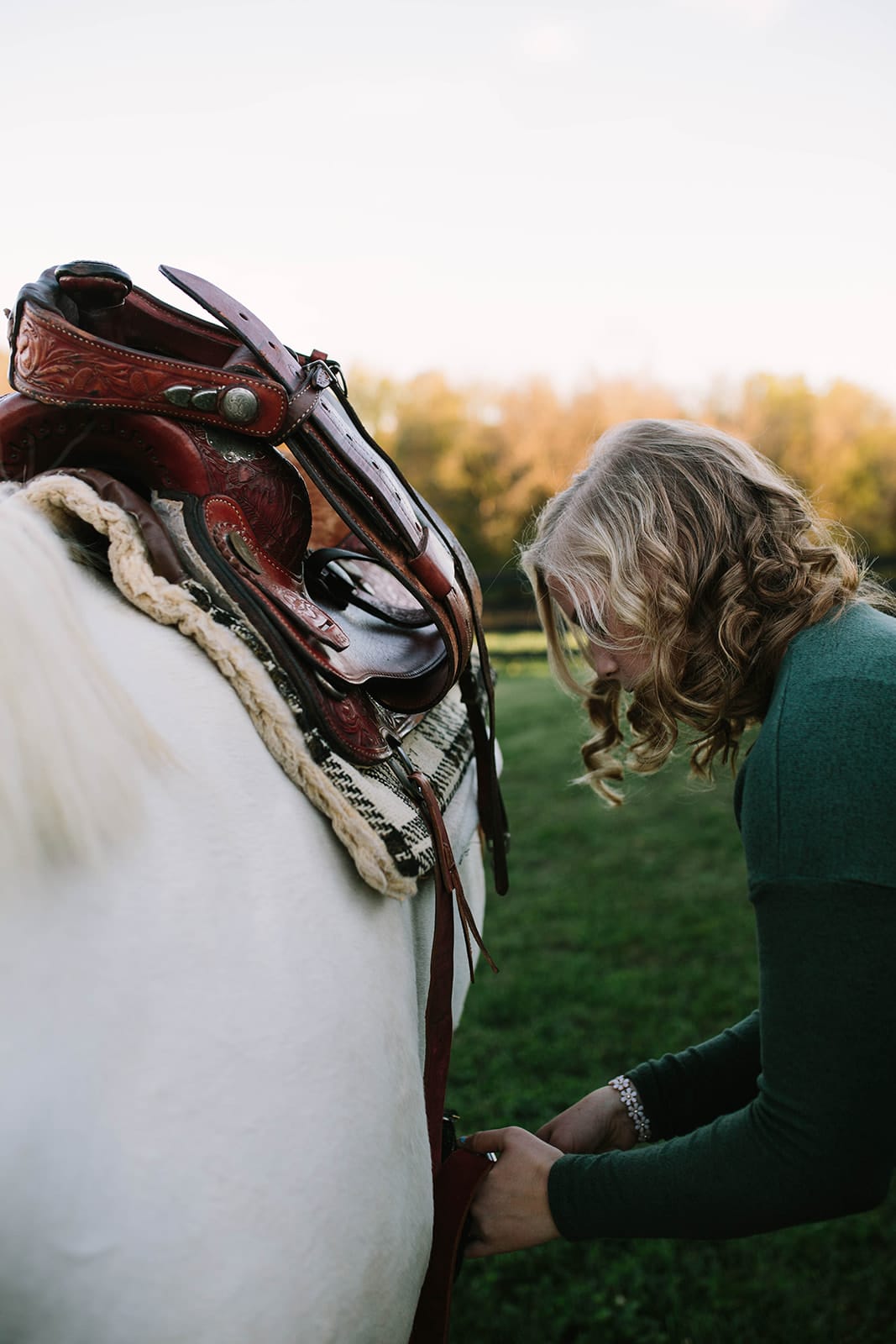
The bond between a human and a horse is a delicate dance of trust, understanding, and mutual respect. When a horse carries the weight of fear, this dance becomes a hesitant waltz, fraught with potential missteps. Training a scared horse isn’t about dominance; it’s about becoming a beacon of safety, a reliable leader who can guide them through their anxieties. This journey requires patience, empathy, and a deep understanding of equine behavior. We’ll explore effective strategies to help your equine partner overcome their fears and build a foundation of confidence that will transform your relationship.
Understanding the Roots of Fear in Horses
Before we can effectively help a scared horse, we must first understand why they are scared. Horses are prey animals, and their instincts are finely tuned to detect danger. Fear can stem from a variety of sources, often rooted in past negative experiences or a lack of positive socialization.
Past Traumas and Negative Experiences
A horse that has experienced abuse, neglect, or a frightening event – such as a fall, a loud noise, or a difficult handling situation – may develop deep-seated fears. These experiences can create strong associations, making them fearful of similar stimuli in the future. For instance, a horse that was roughly handled during saddling might become anxious every time a saddle approaches.
Lack of Socialization and Exposure
Young horses, or those who haven’t been adequately exposed to various environments, sounds, and objects, can develop fear due to unfamiliarity. The world can seem like a place full of potential threats if they haven’t learned that new things are often not dangerous. This includes being afraid of novel objects, different environments, or even unfamiliar people.
Inherent Temperament and Genetics
Some horses are naturally more sensitive or prone to anxiety than others. While genetics play a role, it’s crucial to remember that even a sensitive horse can be trained to manage their fear with the right approach. It’s less about changing their inherent nature and more about teaching them coping mechanisms.
Physical Discomfort or Pain
Sometimes, a horse’s fear or anxiety can be linked to an underlying physical issue. Pain from an injury, illness, or even ill-fitting tack can make a horse fearful of being touched or handled in a certain way. A thorough veterinary check-up is always a wise first step when dealing with a suddenly fearful or anxious horse.
The Foundation: Building Trust and Safety
The cornerstone of training a scared horse is establishing yourself as a trustworthy and safe presence. This isn’t achieved through force or intimidation, but through consistent, calm, and predictable interactions.
Calm and Consistent Handling
Your demeanor is paramount. Speak in a soft, even tone. Move deliberately and avoid sudden gestures. Be predictable in your actions. If you’re going to approach, let them see you. If you’re going to touch them, do so gently and from a safe distance initially. Consistency in your rules and responses helps the horse understand what to expect, reducing their anxiety. This mirrors the principles found in training a green broke horse, where clear communication is key.
Respecting Their Space and Limits
Never force a scared horse into a situation they are clearly not ready for. Pushing them too hard can shatter the trust you’re trying to build and exacerbate their fear. Learn to read their body language – pinned ears, wide eyes, tense muscles, or a swishing tail are all signs of distress. Back off, give them space, and try again later or with a less demanding step. Understanding these signals is akin to learning about the ultimate horse behavior and training book; it’s about recognizing and responding to their communication.
Positive Reinforcement
Reward desired behaviors, even small steps in the right direction. This could be as simple as a calm moment, allowing you to approach, or tolerating a touch. Use treats, gentle scratches in their favorite spot, or verbal praise. Positive reinforcement creates positive associations with you and the training process, making the horse more willing to engage.
Gradual Desensitization and Counter-Conditioning
These two techniques are powerful tools for helping horses overcome specific fears. They involve slowly exposing the horse to the feared stimulus while creating a positive experience.
Desensitization: The Slow Reveal
Desensitization is about gradually exposing the horse to the fearful object or situation at a low intensity that doesn’t trigger their fear response.
- Identify the Fear: Be specific. Is it the trailer, a plastic bag blowing in the wind, or the clippers?
- Start Small: Begin with the stimulus far away or not moving, or in a less threatening form. For example, if they fear the trailer, start by just having the trailer visible in the distance.
- Gradual Increase: Slowly, over many sessions, decrease the distance or increase the intensity (e.g., the trailer door is slightly ajar, then fully open, then you stand near it).
- Watch for Stress: If the horse shows signs of fear, you’ve gone too far, too fast. Back up to a level where they were comfortable and proceed more slowly.
Counter-Conditioning: Changing the Association
Counter-conditioning pairs the feared stimulus with something the horse finds highly rewarding, like tasty treats or praise.
- Pairing: Once the horse can tolerate the stimulus at a low level (desensitization), begin pairing it with a reward. As the feared object is presented (at a non-fearful level), give the treat. When the object is removed, the treats stop.
- Positive Association: The goal is for the horse to associate the presence of the feared stimulus with good things. Eventually, their fear response can be replaced by anticipation of a reward.
For instance, if a horse is afraid of clippers, you might start by simply having the clippers on (but not moving or touching them) in the room while giving treats. Gradually, you’d move to the clippers being near them, then touching them lightly with the clippers off, and eventually, short bursts of the clippers on while they are being rewarded. This methodical approach is crucial and can be compared to the careful steps involved in how to halter train a horse, where each step builds upon the last.
Addressing Specific Fears
Let’s look at how these principles apply to common fears.
Fear of the Trailer
Trailer loading can be a major hurdle. Start by making the trailer a non-threatening place.
- Positive Association: Leave the trailer door open in the pasture and let horses investigate it on their own. Feed them treats or hay near and then inside the (stationary) trailer.
- Gradual Introduction: Once they are comfortable being near and in the trailer, practice short “in-and-out” sessions. The goal is for them to walk in, calmly stand for a few seconds, and walk out.
- No Forcing: Never drag or force a horse into a trailer. This creates negative associations and can lead to dangerous resistance.
Fear of Specific Objects or Sounds
Objects like tarps, flags, bicycles, or sounds like chains rattling or machinery can be frightening.
- Controlled Exposure: Introduce these items in a controlled environment. Let the horse observe from a distance.
- Slow Movement: If the object moves, start with very slow, predictable movements.
- Reward Calmness: Any moment of calmness or curiosity in the presence of the feared item should be rewarded generously.
Fear of Handling or Touch
This can manifest as flinching, bolting, or biting when being groomed, tacked up, or having their feet picked.
- Start with Light Touch: Begin by touching them on areas they are comfortable with, then gradually move to more sensitive areas, always watching their reaction.
- Short Sessions: Keep sessions brief and end on a positive note.
- Association with Comfort: Combine touch with gentle grooming or a scratch in a favorite spot.
The Role of Leadership vs. Dominance
It’s vital to distinguish between being a leader and being dominant. Dominance, often expressed through force or intimidation, is counterproductive and damaging when training a scared horse. A true leader provides guidance, security, and clear communication.
- Leadership: Involves earning trust through consistent, fair, and patient handling. You are the calm presence they can rely on.
- Dominance: Often relies on the horse’s fear of punishment or the handler’s physical strength. This approach can suppress fear temporarily but doesn’t address the underlying issue and can lead to a breakdown in trust or even aggression. It is crucial to avoid any methods that could be considered cruel horse training.
Patience is Key: The Long Game
Training a scared horse is rarely a quick process. It requires an immense amount of patience and understanding. There will be setbacks, days when it feels like you’re not making progress, or even regressing. On these days, take a step back. Re-evaluate your approach. Remind yourself of the goal: a confident, trusting partner.
Celebrate Small Victories
Acknowledge and celebrate every small step forward. A horse that used to bolt at the sight of a fence now stands calmly beside it? That’s a huge win! They are learning to trust you and their own ability to cope.
Seek Professional Help
If you find yourself struggling, or if the horse’s fear is severe and potentially dangerous, don’t hesitate to seek help from a qualified equine behaviorist or a trainer experienced in working with fearful horses. They can provide personalized guidance and strategies tailored to your specific horse. Trying to navigate severe fear without experience can be overwhelming and ineffective.
Conclusion: A Rewarding Journey
Working with a scared horse is one of the most rewarding experiences in horsemanship. It tests your patience, deepens your empathy, and ultimately strengthens the bond between you and your equine partner in profound ways. By understanding the roots of their fear, establishing a foundation of trust and safety, and employing gradual desensitization and positive reinforcement, you can help your horse blossom. Witnessing a fearful horse gain confidence and learn to trust is a testament to the power of a compassionate and knowledgeable approach to training. Remember, every interaction is an opportunity to build trust, and with time and dedication, you can transform fear into freedom for your horse.
