
Training a reactive dog on leash can be a challenging yet incredibly rewarding journey. Reactivity is often misunderstood; it’s not about aggression, but rather an overreaction to certain triggers, such as other dogs, people, or even specific objects. Understanding the root cause and employing the right techniques can transform your dog’s experience and yours. This guide will walk you through the essential steps to help your reactive dog feel more comfortable and confident when out for walks.
Understanding Dog Reactivity on Leash
Reactivity on leash typically stems from a dog feeling overwhelmed, anxious, or fearful in situations where they can’t escape or choose to engage. Common triggers include seeing other dogs, people approaching too quickly, bicycles, skateboards, or loud noises. It’s crucial to remember that your dog isn’t being “bad”; they are communicating their distress. Recognizing these signs – barking, lunging, growling, or stiffening – is the first step toward effective training.
Why Do Dogs Become Reactive on Leash?
Several factors can contribute to leash reactivity:
- Lack of Socialization: Insufficient or negative experiences during their critical socialization period (puppyhood) can lead to fear and uncertainty around new stimuli.
- Past Negative Experiences: A previous frightening encounter with a trigger can create a lasting association.
- Frustration: Some dogs are naturally frustrated by the leash, preventing them from greeting other dogs or people they are interested in.
- Underlying Medical Issues: Pain or discomfort can lower a dog’s threshold for reactivity. A veterinary check-up is always a good idea if you notice a sudden change in behavior.
- Genetics and Breed Predispositions: Some breeds may be more prone to certain types of reactivity due to their original working purposes.
Identifying Your Dog’s Triggers
The key to successful training is identifying exactly what sets your dog off. Keep a log of your walks: note the time, location, what your dog reacted to, and their distance from the trigger. This data will help you understand your dog’s “threshold” – the distance at which they can notice a trigger without reacting. Our goal is to work below this threshold.
Essential Training Principles for Reactive Dogs
Several core principles underpin effective training for leash-reactive dogs. Consistency, patience, and positive reinforcement are paramount.
The Power of Positive Reinforcement
Positive reinforcement involves rewarding desired behaviors, making them more likely to occur again. For reactive dogs, this means rewarding calm behavior when triggers are present, or rewarding them for disengaging from a trigger. Avoid punishment-based methods, as these can increase fear and anxiety, potentially worsening reactivity.
Working Below Threshold
This is perhaps the most critical concept. You need to manage your dog’s environment so they are not constantly exposed to triggers at a level that causes them to react. This means maintaining a distance from triggers where your dog can still remain calm and aware, but not overwhelmed. As your dog improves, you can gradually decrease this distance.
Management is Key
While you are training, management is essential to prevent your dog from practicing their reactive behaviors. This might involve:
- Avoiding Peak Times/Locations: Walk your dog during quieter hours or in less populated areas.
- Using Visual Barriers: Park cars or trees can help block your dog’s view of a trigger.
- Creating Distance: If you see a trigger approaching, calmly cross the street, turn around, or step into a driveway.
Step-by-Step Training Techniques
Here’s a breakdown of effective techniques you can implement:
1. Desensitization and Counter-Conditioning (DSCC)
This is the cornerstone of reactivity training.
- Desensitization: Gradually exposing your dog to their triggers at a distance where they don’t react.
- Counter-Conditioning: Changing your dog’s emotional response to the trigger from negative (fear, anxiety) to positive (anticipation of a reward).
How to implement DSCC:
- Find the Threshold: Determine the distance at which your dog notices a trigger but remains calm. This might be 50 feet or more.
- Trigger Appears, Reward Appears: As soon as your dog sees the trigger (at a safe distance), start feeding them high-value treats (e.g., small pieces of chicken, cheese, or hot dog).
- Trigger Disappears, Reward Disappears: When the trigger is out of sight, stop the treats.
- Gradual Approach: Over many sessions, slowly decrease the distance to the trigger, always ensuring your dog remains below threshold. If your dog reacts, you’ve moved too quickly; increase the distance again.
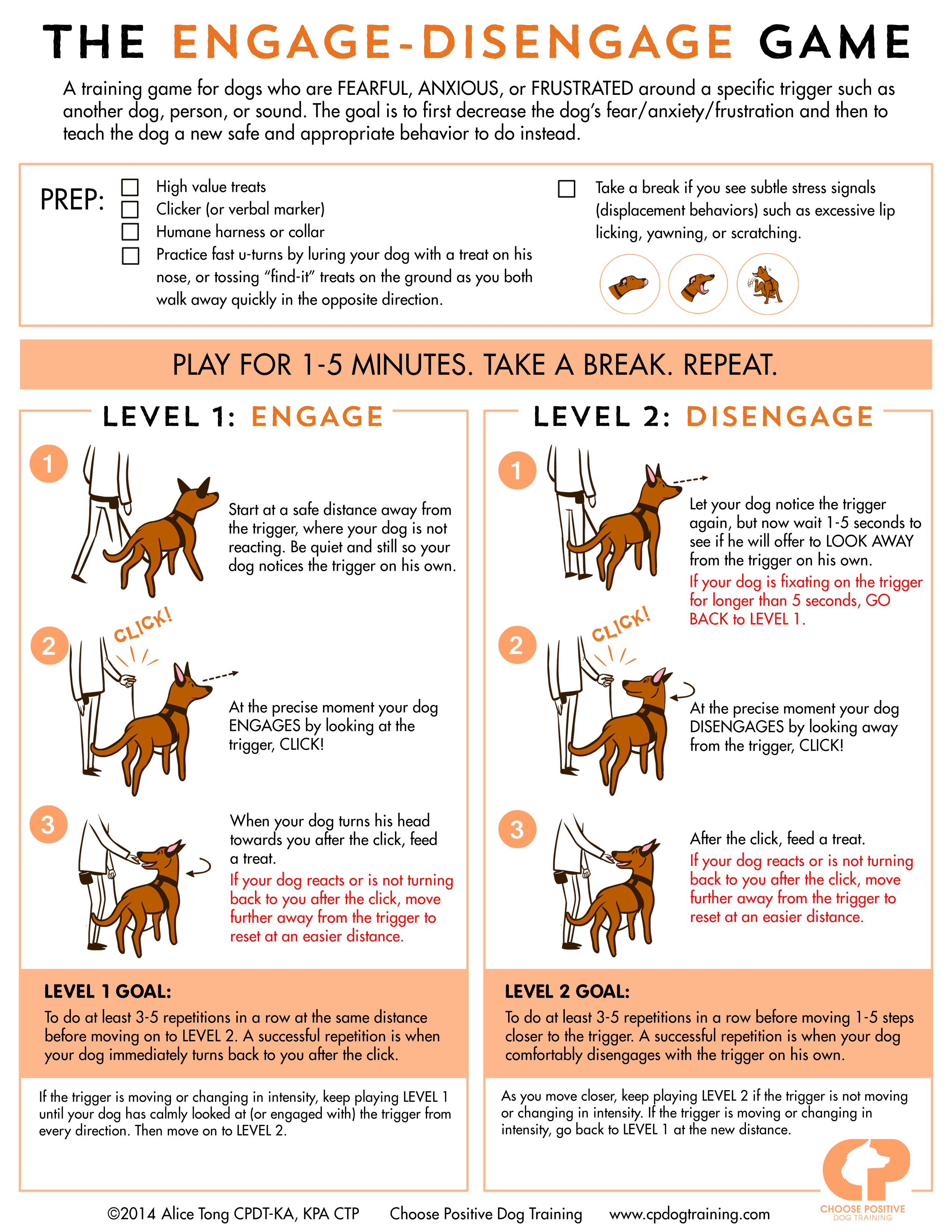
2. Engage-Disengage Game
This is a fun way to practice DSCC.
- See Trigger, Get Treat: When your dog sees a trigger (at a safe distance), immediately mark the behavior (with a clicker or a word like “yes!”) and give a treat.
- Look Away, Get Treat: Continue feeding treats as long as the trigger is visible and your dog is calm.
- Dog Looks Away, Treat Continues: When your dog voluntarily looks away from the trigger, toss a treat away from the trigger. This teaches them that disengaging is also rewarding.
3. Teach Alternative Behaviors
Giving your dog something else to do when a trigger appears can be very effective.
- “Look at Me” / “Watch Me”: Teach your dog to make eye contact with you on cue. Practice this in calm environments first, then gradually introduce it when triggers are present at a distance.
- “Find It”: Toss a few treats on the ground away from the trigger. This redirects your dog’s attention and encourages them to use their nose, which is calming.
- “U-Turn”: Teach your dog to turn and walk in the opposite direction with you on cue. This is a useful escape maneuver.
4. Loose-Leash Walking Skills
A tight leash can increase a dog’s arousal and frustration. Focus on teaching loose-leash walking in a calm environment first.
- Reward Slack: Anytime the leash is loose, praise and reward your dog.
- Stop When Tight: If the leash becomes tight, stop walking. Only resume when the leash slackens. This teaches your dog that pulling stops forward progress.
Gear and Equipment Considerations
The right equipment can make a significant difference in managing and training a reactive dog.
- Harnesses: A front-clip harness can help redirect your dog if they lunge. Back-clip harnesses can sometimes encourage pulling. A well-fitted front-clip harness is often recommended for reactive dogs, as it gives you more control without causing pain or discomfort.
- Head Halters: Devices like the Gentle Leader or Halti can offer excellent control by redirecting the dog’s head. However, they require careful introduction and proper fitting to ensure your dog accepts them comfortably.
- Leash: A standard 6-foot leash is generally recommended. Avoid retractable leashes, as they offer less control and can be dangerous.
- Treat Pouch: Keep high-value treats easily accessible.
It is crucial to ensure your dog is comfortable with any new equipment before using it on walks. Introduce harnesses and head halters gradually, pairing them with positive reinforcement.
When to Seek Professional Help
While you can achieve significant progress with consistent training, some reactive dogs benefit greatly from professional guidance.
- Certified Professional Dog Trainers (CPDT-KA/SA): Look for trainers who use positive reinforcement methods and have experience with reactivity.
- Veterinary Behaviorists (DACVB): For severe cases or when underlying anxiety is a major factor, a veterinary behaviorist can provide a diagnosis and develop a comprehensive behavior modification plan, potentially including medication.
A professional can help assess your dog’s specific needs, create a tailored training plan, and provide support and troubleshooting. If you are struggling to manage your dog’s reactivity or if the behavior is escalating, don’t hesitate to reach out for expert assistance.
Building a Stronger Bond Through Training
Training a reactive dog is a marathon, not a sprint. Celebrate small victories, stay patient, and remember that your dog is doing their best with the tools and understanding they have. By employing these positive, science-based methods, you can help your dog feel safer and more secure, leading to more enjoyable walks for both of you and strengthening the bond you share. With dedication and the right approach, you can help your reactive dog navigate the world with greater confidence.
