
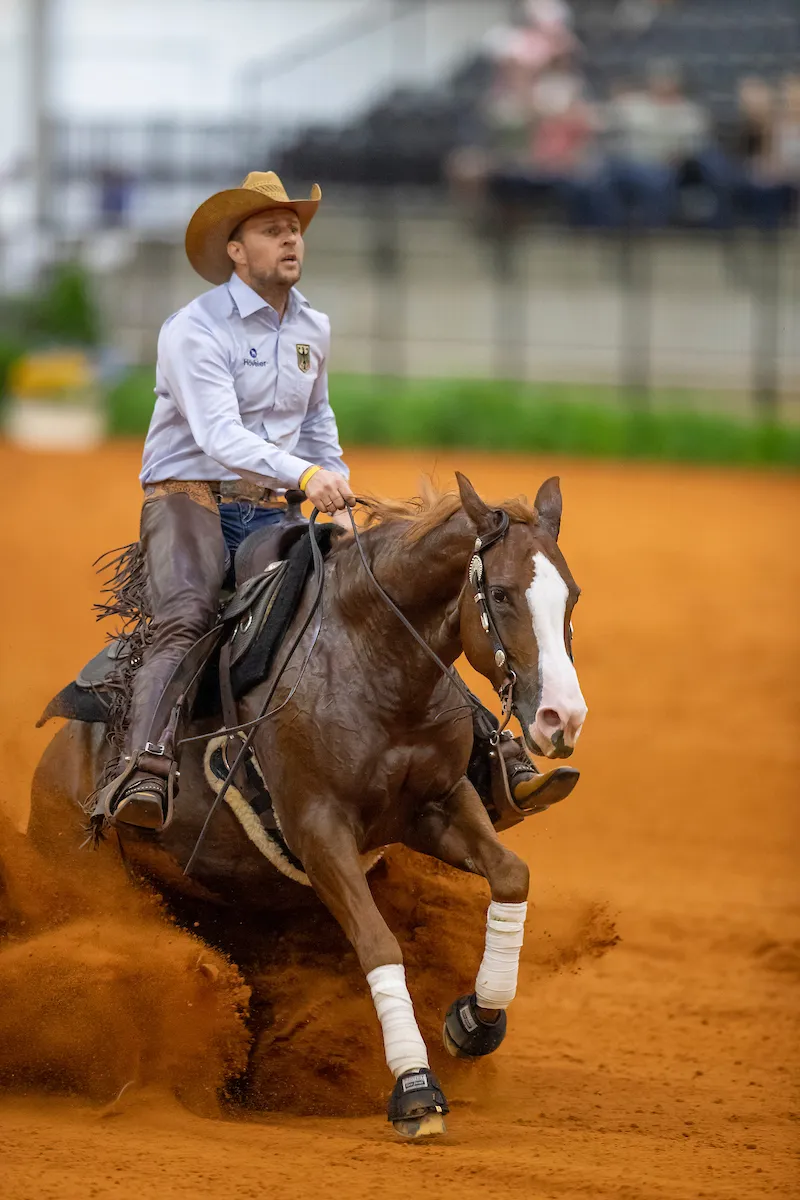
Training a Quarter Horse for racing is a journey that demands dedication, expert knowledge, and a deep understanding of equine athleticism. Quarter Horses are renowned for their speed over short distances, making them prime candidates for the racetrack. This guide will walk you through the essential steps and considerations for training a Quarter Horse racehorse, ensuring you foster their natural talent while prioritizing their well-being.
Understanding Quarter Horse Strengths for Racing
Quarter Horses earned their name from their incredible ability to outrun other breeds in races over a quarter mile. This inherent speed, combined with their powerful build and agile movements, makes them exceptionally suited for the demanding world of horse racing. When embarking on training, it’s crucial to recognize and build upon these innate strengths. Their muscular hindquarters provide explosive power, essential for those crucial early strides out of the gate and for maintaining speed down the stretch.
Essential Elements of Racehorse Training
Early Foundation: Building a Solid Base
The foundation for a successful racehorse is laid long before they hit the track. This phase focuses on developing a well-rounded, physically sound, and mentally prepared athlete.
- Groundwork and Handling: Early handling should instill confidence and a willingness to cooperate. This includes desensitization to various stimuli, leading, grooming, and basic handling exercises. A horse that trusts its handler is more receptive to training.
- Physical Conditioning: Even before riding, building core strength and stamina is vital. This can involve controlled free-roaming in appropriate pastures, introducing small resistance exercises on the ground, and ensuring optimal nutrition for growth and development.
- Introduction to Equipment: Gradually introducing the horse to tack, such as a saddle and bridle, helps them acclimate without undue stress. This should be done patiently, allowing the horse to accept each new item comfortably.
Starting Under Saddle
Once the horse is comfortable with groundwork and basic handling, the transition to under-saddle work begins. This stage is about introducing the horse to the rider’s aids and developing responsiveness.
- Basic Riding Principles: Focus on establishing a soft mouth, a responsive stop, and smooth transitions between gaits. The rider’s position and communication are paramount to avoid confusing or frightening the young horse.
- Introducing the Canter: The canter is a critical gait for racing. Teaching the horse to pick up the correct lead and maintain a balanced canter is a key milestone. This often involves specific exercises and rider cues.
- Longeing and Bitting: Longeing helps the horse learn to respond to voice commands and develop balance and rhythm at various gaits. Introducing a racing bit should be done gradually, ensuring the horse accepts it without discomfort.
Introducing Speed and Racing Specifics
As the horse matures and develops a solid foundation, the training gradually incorporates elements specific to racing.
- “Gate Schooling”: This is a critical part of training for any racehorse. It involves safely introducing the horse to the starting gate, teaching them to load calmly and stand patiently. This process is repeated numerous times to build confidence and a positive association with the gate. The goal is to ensure the horse doesn’t become anxious or spooked when the gates open. This mirrors the process for horse race training.
- Interval Training: Once the horse is comfortable with the starting gate, interval training begins. This involves short bursts of high-speed work interspersed with periods of rest or slower gaits. This helps build cardiovascular fitness and teaches the horse to perform at racing speed. This is similar to some horse racing training techniques.
- Developing Race Pace: Gradually increasing the duration and intensity of speed work, while always monitoring the horse’s condition, helps them develop the stamina required for a full race. This phase requires careful observation to avoid overtraining.
- Track Work: Familiarizing the horse with the actual racetrack environment is essential. This includes learning to navigate the turns, respond to the jockey’s cues in a race setting, and maintain focus amidst the excitement and crowds. Some horses may adapt more readily to tracks in places like horse racing tracks Arizona or horse racing Houston Texas, while others may need more exposure.
Conditioning and Fitness
A racehorse’s fitness is paramount to its success and longevity. A comprehensive conditioning program focuses on building strength, stamina, and speed while minimizing the risk of injury.
- Progressive Overload: Training intensity and duration are gradually increased over time. This systematic approach ensures the horse’s body adapts and strengthens without being pushed beyond its limits.
- Cross-Training: Incorporating activities like swimming or controlled grazing can provide cardiovascular benefits without the high impact of running on a track. This helps maintain fitness while giving the horse’s legs a rest. The transition from a racehorse to riding horse training program often includes elements of cross-training for retired racehorses.
- Rest and Recovery: Adequate rest is as important as training. Muscles need time to repair and rebuild. Overtraining can lead to fatigue, injuries, and decreased performance. Listening to the horse and recognizing signs of fatigue is crucial.
Nutrition and Health
Optimal nutrition and vigilant health monitoring are the cornerstones of a successful racehorse program.
- Balanced Diet: Racehorses have high energy demands. Their diet typically consists of high-quality forage supplemented with specially formulated performance feeds. This ensures they receive the necessary calories, protein, vitamins, and minerals. Consulting with an equine nutritionist is highly recommended.
- Hydration: Access to fresh, clean water at all times is non-negotiable. Horses lose significant fluids through sweat during training and racing.
- Veterinary Care: Regular veterinary check-ups are essential for early detection and treatment of any health issues. This includes dental care, deworming, vaccinations, and prompt attention to any lameness or illness.
- Hoof Care: Proper hoof care is critical. Regular farrier visits ensure the horse’s hooves are balanced and healthy, which is vital for soundness and preventing injuries.
Dealing with Behavioral Challenges
Even the most talented horse can face behavioral challenges. Patience, consistency, and understanding are key to overcoming them.
- Fear and Anxiety: Horses can be sensitive creatures. Introducing new experiences gradually and creating positive associations can help alleviate fear. Positive reinforcement techniques are highly effective.
- Stubbornness or Resistance: If a horse becomes resistant, it’s important to identify the root cause. Is it pain, confusion, or a lack of understanding? Pushing a resistant horse can create more significant problems. Re-evaluating the training approach and ensuring clear communication is often the solution.
- Aggression: Aggressive behavior in horses often stems from fear or a lack of proper handling. It’s crucial to address this safely and professionally, often with the help of an experienced trainer or behaviorist.
The Role of the Jockey and Trainer
The synergy between the trainer and the jockey is vital. The trainer designs and implements the conditioning program, while the jockey executes the race strategy on the track.
- Trainer’s Expertise: A good trainer understands equine physiology, biomechanics, and behavior. They can assess a horse’s potential, tailor a training regimen, and make critical decisions about when a horse is ready to race.
- Jockey’s Skill: A skilled jockey not only has the physical ability to control a powerful racehorse but also possesses the tactical awareness to navigate a race, make split-second decisions, and bring out the best in their mount.
Conclusion
Training a Quarter Horse racehorse is a rewarding endeavor that requires a holistic approach. By focusing on building a strong foundation, implementing a structured training and conditioning program, ensuring optimal health and nutrition, and fostering a positive relationship with the horse, you can help unlock their full racing potential. Remember that patience, consistency, and a deep respect for the animal are the most important tools in your arsenal. The journey from a young horse to a competitive racehorse is a testament to the dedication of both the human and equine partners involved.
