
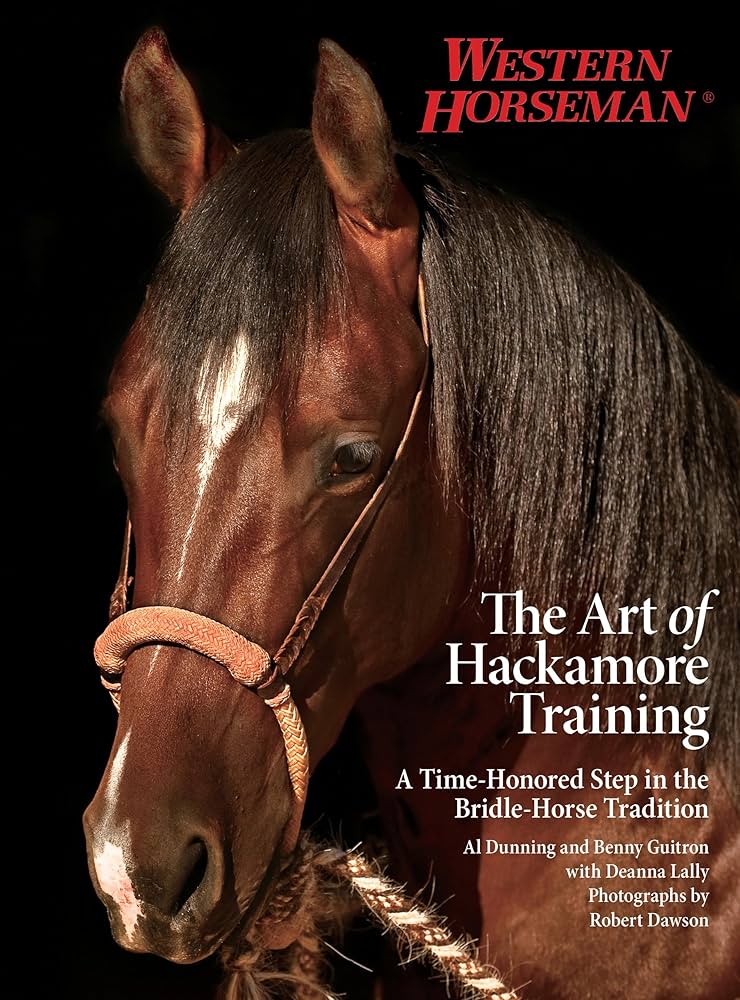
Training a Quarter Horse is a rewarding journey that requires patience, consistency, and a deep understanding of these versatile animals. Renowned for their athleticism, calm temperament, and intelligence, Quarter Horses excel in a wide range of disciplines, from Western riding and reining to ranch work and even racing. This guide will walk you through the essential steps and considerations for effectively training your Quarter Horse, ensuring a strong partnership built on trust and mutual respect.
Understanding the Quarter Horse Mindset
Before diving into training techniques, it’s crucial to understand the inherent characteristics of Quarter Horses. Bred for their speed over a quarter mile, agility, and steady disposition, they are generally eager to please and quick learners. However, like all horses, they respond best to clear communication, positive reinforcement, and consistent handling. Recognizing their unique traits will help you tailor your training approach for optimal results.
Foundational Training: Building a Solid Base
The journey of training any horse, including a Quarter Horse, begins with establishing a solid foundation. This phase focuses on basic obedience, desensitization, and building a trusting relationship.
Halter Breaking and Groundwork
- Halter Breaking: Introducing the halter should be a positive experience. Start by letting the young horse investigate the halter, then gently place it on, rewarding calmness with praise or a small treat.
- Leading: Once comfortable with the halter, teach your horse to lead. Apply gentle pressure with the lead rope, moving forward when the horse yields. Maintain a relaxed posture and consistent pressure.
- Grooming and Tacking: Regular grooming sessions help your horse become accustomed to touch all over its body. Introduce the saddle and bridle gradually, ensuring the horse remains calm. Desensitize them to the feel of tack and any associated noises.
- Round Pen Work: The round pen is an excellent tool for establishing dominance and communication. Use body language and gentle pressure to encourage the horse to move away from you, yield to pressure, and respond to your cues. This builds respect and teaches the horse to focus on you.
Desensitization
Exposing your horse to a variety of stimuli is critical for creating a confident and unflappable partner. This includes:
- Objects: Bags, tarps, flags, and other novel objects.
- Sounds: Loud noises, machinery, unexpected sounds.
- Surfaces: Water, bridges, different types of terrain.
Introduce new experiences calmly and gradually, always rewarding your horse for staying relaxed. If a horse shows fear, back off slightly and reassure them before trying again at a lower intensity.
Introducing Riding: The Next Steps
Once your Quarter Horse is well-grounded and desensitized, you can begin introducing them to riding. This process should be slow, deliberate, and always prioritize the horse’s comfort and understanding.
Saddle and Bridle Introduction
- Saddle Familiarization: Allow the horse to see and sniff the saddle. Gently place it on their back, and if they are comfortable, fasten the girth loosely. Gradually tighten the girth over several sessions.
- Bridle Introduction: Introduce the bridle similarly. Let the horse see it, then gently guide the bit into their mouth, securing the headstall. Reward calmness throughout.
First Rides
- Longeing: Before mounting, longe your horse with the saddle on to ensure they are comfortable.
- Mounting: Have a patient handler assist you. Mount slowly and calmly, sitting quietly for a few moments to let the horse adjust.
- Basic Cues: Begin with simple commands: walk forward by squeezing with your legs, stop by applying gentle rein pressure, and turn by applying pressure in the desired direction. Keep initial rides short and positive.
Advanced Training Disciplines
Quarter Horses are celebrated for their versatility. Once they have a solid foundation, you can begin specializing in disciplines like reining, Western pleasure, barrel racing, or ranch work.
Reining Fundamentals
Reining requires precise maneuvers, including spins, stops, and lead changes. Training for reining demands excellent communication and responsiveness.
- Lead Changes: Teach flying lead changes by encouraging the horse to change the leading leg mid-gallop. This requires precise timing and cueing.
- Spins: Practice quick, controlled spins by engaging the hindquarters and guiding the horse with leg and rein aids.
- Sliding Stops: Developing a smooth, controlled sliding stop involves conditioning the horse’s hindquarters and teaching them to shift their weight back. This is a hallmark of reining and requires significant training. Learning about training racing quarter horses can provide insights into the conditioning required for powerful stops.
Barrel Racing Techniques
Barrel racing emphasizes speed, agility, and a strong partnership.
- Turns: Teaching your horse to turn tightly and efficiently around the barrels is paramount. This involves leg yields, body positioning, and vocal cues. Consider barrel horse training tips for specific strategies to perfect these turns.
- Speed and Endurance: Build speed gradually, ensuring your horse maintains control and stamina. Proper conditioning is key to preventing injuries and achieving peak performance.
Western Pleasure and Trail Riding
For disciplines that emphasize smooth gaits and a calm demeanor, focus on:
- Gait Refinement: Develop smooth, collected gaits, particularly the lope and jog.
- Responsiveness to Cues: Ensure your horse responds subtly to leg, seat, and rein aids for precise control on the trail or in the show ring.
- Obstacle Familiarization: For trail riding, introduce your horse to various obstacles like water crossings, bridges, and gates, ensuring they are confident and unfazed.
Essential Training Principles for Quarter Horses
Regardless of the discipline, certain core principles remain vital for successful Quarter Horse training.
Consistency is Key
- Regular Schedule: Maintain a consistent training schedule. Horses thrive on routine and predictability.
- Clear Cues: Use the same cues for the same commands every time. Avoid confusing your horse with ambiguous signals.
- Fairness: Be fair and patient. Understand that learning takes time and that every horse progresses at its own pace.
Positive Reinforcement
- Reward Good Behavior: Always reward your horse when they do something correctly, whether it’s a correct response to a cue, a calm demeanor, or a moment of understanding. Rewards can be verbal praise, a pat, or a small treat.
- Avoid Harsh Punishment: Punitive methods can create fear and resentment, damaging the horse-human bond. Focus on guiding your horse to the correct behavior rather than punishing mistakes. This approach aligns with the principles of quarter horse training tips.
Build a Strong Partnership
- Trust and Respect: Training is not just about obedience; it’s about building a partnership based on trust and mutual respect. Spend time with your horse outside of formal training sessions, grooming, and simply being present with them.
- Understand Their Needs: Pay attention to your horse’s physical and emotional state. If they are tired, stressed, or uncomfortable, it’s not a good time for intensive training.
Health and Nutrition Considerations
A well-trained horse is a healthy horse. Ensure your Quarter Horse receives:
- Balanced Diet: Consult with a veterinarian or equine nutritionist to create a feeding plan that meets your horse’s specific needs, considering their age, workload, and breed.
- Regular Veterinary Care: Keep up with vaccinations, deworming, and dental check-ups.
- Farrier Care: Regular hoof care is essential for soundness and comfort.
Common Training Challenges and Solutions
- Stubbornness: Often stems from a lack of understanding or fear. Revisit groundwork, ensure your cues are clear, and reward willingness.
- Fear or Anxiety: Address fear through careful desensitization. Never force a fearful horse; work at their pace and build confidence.
- Lack of Responsiveness: May indicate the horse doesn’t understand the cue, is physically uncomfortable, or is simply not motivated. Re-evaluate your communication and consider red rose horse training for alternative approaches if facing unique challenges.
Conclusion: The Ongoing Journey of Training
Training a Quarter Horse is an evolving process. It requires dedication, a willingness to learn, and a deep love for these magnificent animals. By focusing on foundational skills, employing consistent and positive training methods, and understanding your horse’s individual needs, you can build an exceptional partnership that will bring joy and success for years to come. Remember that every interaction is a training opportunity, and continuous learning, much like refining quarter horse training, is key to unlocking your horse’s full potential.
