
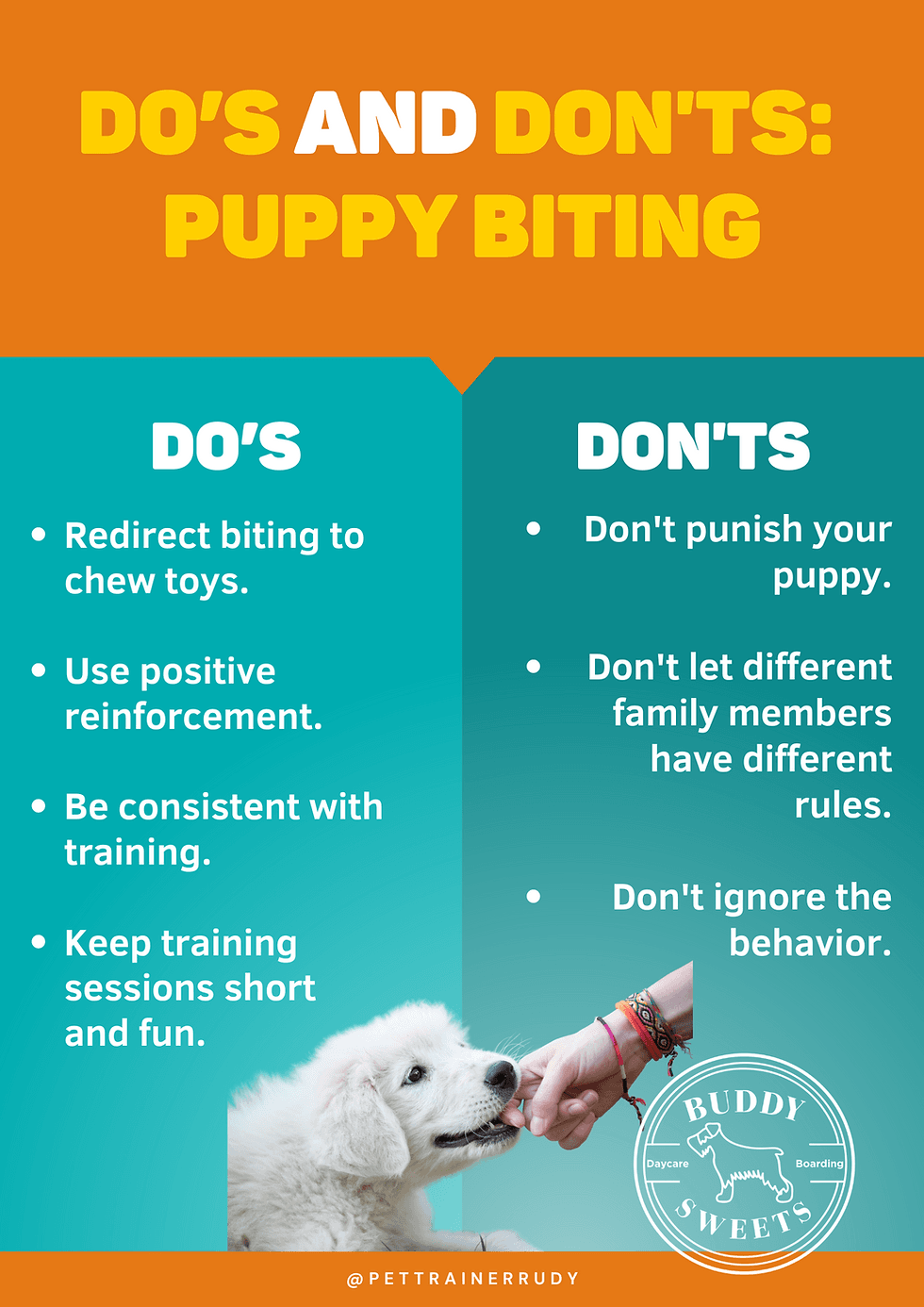
Puppies explore the world with their mouths, a natural behavior that can be endearing when they are young but challenging as they grow. This guide will help you manage puppy mouthing, focusing on teaching gentle behavior and redirecting inappropriate biting. Understanding the difference between normal mouthing and potential aggression is key to a well-behaved canine companion.
The Importance of Bite Inhibition
Bite inhibition is the crucial skill a puppy learns to control the force of their mouth during play. Puppies typically learn this from their littermates. When one puppy bites too hard, the other yelps and play stops, teaching the biter to be more gentle. You can teach your puppy bite inhibition by mimicking this process.
When playing with your puppy, allow them to mouth your hands. If they bite too hard, let out a high-pitched yelp and go limp. This should startle them and pause the play. After a brief pause, resume playing. If the hard bite recurs, repeat the yelp and pause. Limit this to three times in a 15-minute period. If yelping isn’t effective, a short time-out can be implemented. When a hard bite occurs, yelp, then remove your hand and either ignore the puppy for 10-20 seconds or leave the area. After the time-out, re-engage in play. The goal is to teach that gentle play continues, while painful play stops. Gradually tighten your rules, yelping and time-outing for progressively less intense bites until your puppy can play very gently.
Redirecting Puppy Biting Behavior
Once your puppy understands gentleness, you can teach them that human skin is not for gnawing.
- Substitute Toys: When your puppy mouths your fingers or toes, immediately offer a toy or chew bone.
- Manage Excitement: If petting makes your puppy mouthy, distract them by feeding small treats from your other hand, helping them associate touch with treats, not biting.
- Encourage Appropriate Play: Opt for games like fetch and tug-of-war over wrestling. Keep tug toys accessible and redirect mouthing to the toy. This can help your puppy anticipate and seek a toy when they feel the urge to mouth.
- Address Foot/Ankle Biting: Carry a tug toy to redirect your puppy when they nip at your feet. Freeze when they bite, and resume moving once they release. Praise them when they stop and reward them with a toy. This helps them learn to watch you move without biting.
- Provide Variety: Offer a variety of engaging toys to satisfy your puppy’s chewing needs.
- Socialization: Ensure your puppy has ample opportunities to play with other well-socialized puppies and friendly, vaccinated adult dogs. This expends energy and teaches social skills. Consider enrolling in a puppy class for supervised play and structured learning. You can find professional help through resources like Finding Professional Behavior Help.
- Consistent Time-Outs: Implement time-outs for any instance of teeth touching skin. Yelp, walk away, and ignore your puppy for 30-60 seconds. If they persist, leave the room for the same duration. Puppy-proof the area before leaving. Afterward, calmly resume your activity. Alternatively, use a drag leash to tether your puppy to a quiet area for their time-out.
- Taste Deterrents: If time-outs are not effective, apply a taste deterrent to your hands and clothing. This will create a negative association with mouthing. Continue this for at least two weeks.
- Patience is Key: Remember that playful mouthing is normal for puppies. Be patient and understanding throughout the training process. Seeking help from a Certified Professional Dog Trainer (CPDT) is also a viable option for challenging cases. You can find resources for Finding Professional Help in your area.
General Precautions and Understanding Aggression
- Avoid Provocation: Do not wave fingers or slap your puppy’s face to entice play, as this can encourage biting.
- Encourage Play: Do not discourage all play; instead, teach gentle play.
- Don’t Jerk Away: Avoid jerking your hands or feet away, as this can trigger a predatory chase response. Go limp instead.
- No Physical Punishment: Hitting or slapping can escalate biting and create fear or aggression. Avoid scruff shaking or nose-whacking.
Differentiating Mouthing from Aggression
While most puppy mouthing is normal, biting out of fear or frustration can signal future aggression.
- Puppy Temper Tantrums: These occur when a puppy is uncomfortable or during over-excited play. A playful puppy usually has a relaxed body and face. During a tantrum, a puppy might appear stiff, pull back lips, growl, or bite much harder.
- Responding to Tantrums: If your puppy has a tantrum, remain calm and unemotional. Avoid yelping, as this can intensify the behavior. Hold them firmly without causing pain until they calm down, then release them. Seek professional help for repeated biting out of frustration.
Seeking Professional Guidance
A qualified professional can help determine if your puppy’s behavior is normal mouthing or aggression. If you suspect aggression or fear-based biting, consult a Certified Applied Animal Behaviorist (CAAB or ACAAB) or a Diplomate of the American College of Veterinary Behavior (Dip ACVB). A Certified Professional Dog Trainer (CPDT) with specific experience in fear and aggression cases can also provide assistance. Resources for Finding Professional Behavior Help are available to locate qualified professionals.
