
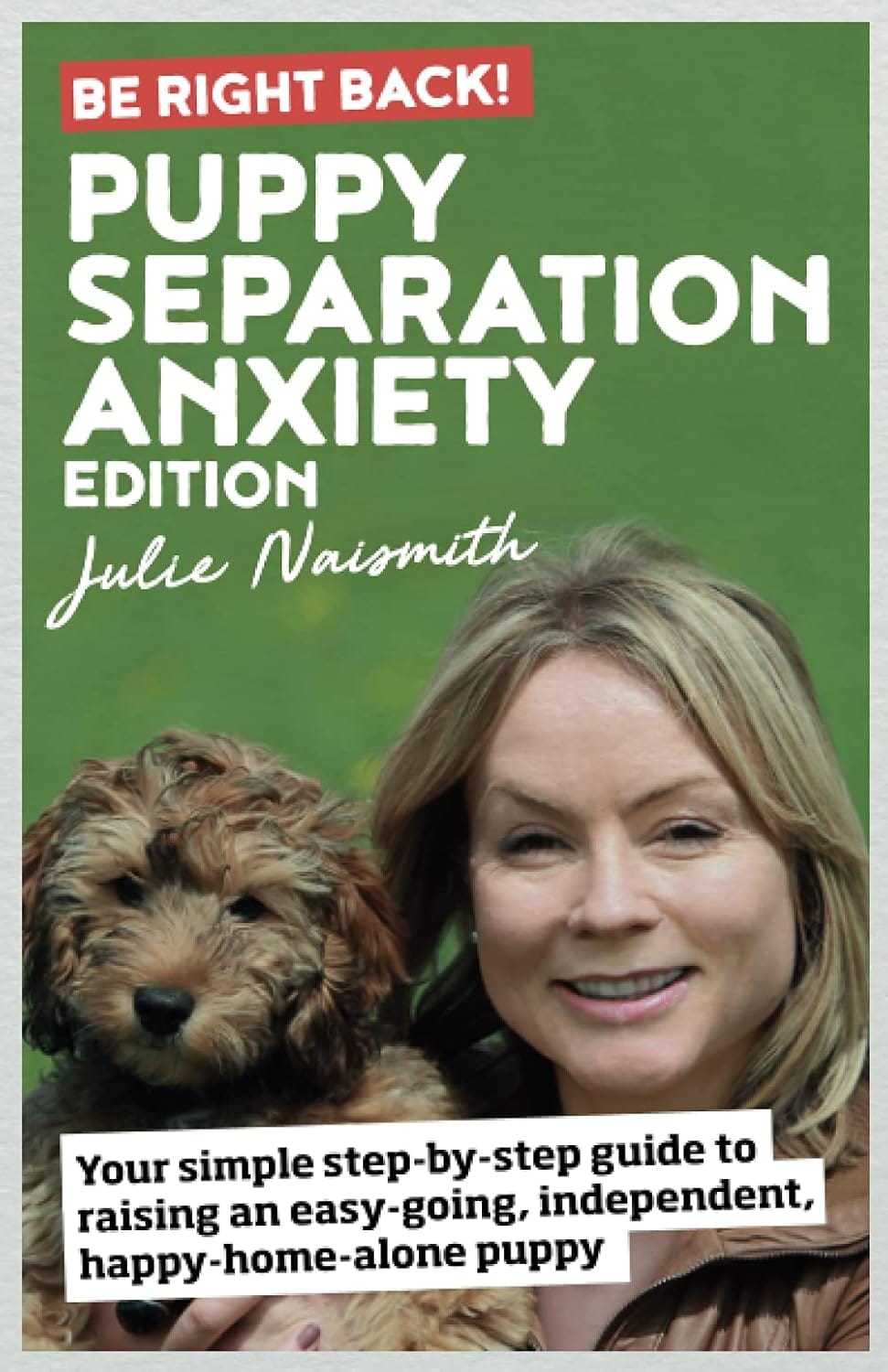
Bringing a new puppy into your home is an exciting time, and with many people spending more time at home, it can seem like the perfect opportunity to welcome a furry friend. However, it’s crucial to prepare your puppy for the eventual shift back to a busier lifestyle. Puppies are inherently social and can experience significant distress if they suddenly find themselves alone after being constantly with their guardians. This can lead to separation anxiety, a common panic disorder that manifests in behaviors like excessive barking, destructiveness, and house-soiling, often resulting in dogs being surrendered to shelters. This guide provides a comprehensive, step-by-step training plan to help your puppy feel secure and happy when left alone.
Setting Up a Safe Space for Alone Time
The first step is to create a safe and comfortable enclosure for your puppy’s solo periods. This could be a designated room, a crate, or a secured exercise pen. Ensure the area is puppy-proof, free from hazards like electrical cords or small items that could be ingested. Provide fresh water and a comfortable resting surface, such as a dog bed. It’s important that this space is always accessible to your puppy, allowing them to choose to spend time there voluntarily.
Fostering Positive Associations with Their Space
Next, make the safe enclosure a place of positive experiences. Spend time with your puppy in this area, engaging in play, cuddling, or positive reinforcement training. If using a crate, you can toss toys into it for your puppy to retrieve. Hide treats or new toys in the enclosure when your puppy isn’t looking, creating a sense of discovery and reward. Stuffed Kongs, lickimats, or safe edible chews can provide enriching activities. Consistently reward your puppy with a treat whenever they choose to enter or spend time in their enclosure. Crucially, never use this space for punishment, as this will create negative associations.
Gradual Separation Practice: Within the Same Room
Begin practicing separations while you are still within sight but separated by a barrier, such as a baby gate.
- Start by stepping just outside the enclosure. If your puppy remains inside, immediately mark the behavior with a verbal cue like “yes” and toss a treat for them to find away from the entrance. This “yes” serves as a marker, indicating success and signaling that a reward is coming. If your puppy follows you, wait for them to voluntarily return to their enclosure. The moment they step back in, say “yes” and toss a treat to the back of the area. Repeat this until your puppy successfully stays in the enclosure five times in a row, happily awaiting treats.
- Progress to stepping just outside the room with the door open. Say “yes” and toss a treat into the enclosure as long as your puppy remains inside. If they come out, withhold treats and wait for them to choose to go back in. Once they do, say “yes” and toss a treat.
- Close the enclosure door for one second, say “yes,” toss a treat, and then open the door. If your puppy exits, simply wait for them to re-enter, then repeat the step.
- After five successful repetitions, gradually increase the duration you are separated. Start with 2-3 seconds, then 3-5 seconds, and so on. Intermittently include very short durations (1-3 seconds) to prevent your puppy from anticipating longer separations.
- Once your puppy is comfortable with approximately 10 seconds of separation with the door closed, begin adding distance while still remaining in sight. Close the door, take one step away, immediately say “yes,” toss a treat, and return to open the door. When adding distance, maintain shorter durations.
- Continue building on these steps until your puppy is relaxed with any combination of distance and duration while you are still visible.
Progressing to Separations Out of Sight
Utilize a Wi-Fi-enabled camera to monitor your puppy for signs of stress when you are out of sight.
- First, inform your puppy you are leaving with a consistent cue, such as “I’ll be right back.” Then, step out of sight, say “yes,” and immediately return to toss your puppy a treat. This cue helps your puppy understand you are leaving and prevents them from feeling tricked.
- Gradually increase the duration of your absence, following the same principles for increasing duration as when you were in sight. Remember to say “yes” while out of sight before returning to deliver the treat. Begin by standing still while increasing duration, as your puppy may hear your movements.
- As duration increases, provide enriching toys or treats to keep your puppy engaged. Offer these enrichment items just after your departure cue, so your puppy associates leaving with a positive reward.
- Once your puppy can comfortably spend about 10 seconds alone out of sight, introduce sounds of your movement around the house. Start with short durations and add distractions one at a time, such as the sound of you walking, picking up an object, or opening and closing a door. Gradually combine different noises before returning to your puppy with a treat.
- Continue building until your puppy is comfortable with various durations and distracting sounds while you are out of sight. Incorporate this positive alone time into your puppy’s daily routine.
Leaving the House: The Final Step
For young puppies, limit crate time to no more than four hours.
- Apply the same principles as practicing separations out of sight, but incorporate sounds associated with leaving the house, such as opening and closing the front door, starting your car, or driving down the driveway. When using outside sounds, wait until you return inside to say “yes,” then rejoin your puppy with a treat.
- Introduce each leaving sound individually before combining them. Work up to simulating your complete departure routine.
- Stay close to home initially as you build duration, allowing you to return quickly if your puppy shows signs of distress.
- Always provide safe and engaging toys and enrichment to ensure your puppy views alone time as a positive experience.
Additional Strategies for Fostering Independence
- Socialization: Proper socialization is key to building confidence. Explore resources on socializing puppies, especially during periods of social distancing.
- Predictability and Responsiveness: Studies indicate that a guardian’s responsiveness influences a dog’s development of separation-related distress. Respond calmly to your puppy’s signs of distress, helping them move away from fearful stimuli and pairing those experiences with positive reinforcement like treats or play.
- Noise Desensitization: Prevent noise phobias, often linked to separation anxiety, by gradually exposing your puppy to various noises paired with enjoyable activities and treats.
- Calming Music: Playing calming music can help muffle external noises and create a more serene environment for your puppy when you’re away.
- Positive Reinforcement: Avoid corrections or punishment. Instead, reward desired behaviors, redirect unwanted ones, and manage the environment to prevent practice of undesirable actions.
- Building General Confidence: Teach your puppy fun tricks using positive reinforcement methods to boost their overall confidence.
By establishing a consistent routine that includes daily alone time, you can help your puppy become a confident and independent companion. Enjoy the process, and relish both your time together and your moments apart!
References:
- Amat, M., Camps, T., Brech, S. L., & Manteca, X. (2014). Separation anxiety in dogs: the implications of predictability and contextual fear for behavioural treatment. Animal Welfare, 23(3), 263–266.
- Francis, D. D., Diorio, J., Plotsky, P. M., & Meaney, M. J. (2002). Environmental Enrichment Reverses the Effects of Maternal Separation on Stress Reactivity. The Journal of Neuroscience, 22(18), 7840–7843.
- Larlham, E. (2010, June 18). How to train your dog to be left alone- clicker training [Video]. YouTube.
- Sherman, B. (2008). Separation anxiety in dogs. Compendium on Continuing Education for the Practising Veterinarian – North American Edition, 30, 27-42.
