
Training a Poodle is one of the most rewarding experiences a dog owner can have. Known for their remarkable intelligence and elegant appearance, Poodles are often misunderstood as being merely show dogs. The truth is, these dogs are brilliant, athletic, and incredibly eager to please, making the process of How To Train A Poodle Dog a delightful journey. Whether you have a tiny Toy, a mid-sized Miniature, or a stately Standard Poodle, the core principles of training remain the same. This guide will walk you through everything from basic puppy training to advanced techniques, helping you build an unbreakable bond with your curly-coated companion.
Their sharp minds mean they pick up on commands quickly, but it also means they can learn bad habits just as fast if left without proper guidance. The key is to channel their brainpower into positive activities through consistent, patient, and engaging training methods. Understanding the unique Poodle temperament is the first step toward unlocking their full potential. From potty training to mastering complex tricks, a well-trained Poodle is a joy to live with, a confident and well-adjusted member of your family. For those considering a specific type of training program, exploring different dog training and grooming schools can provide valuable insights.
Understanding the Poodle Mind: Why They’re Unique Learners
Before you even grab the training treats, it’s crucial to understand what makes a Poodle tick. Their history and inherent traits are the blueprint for their behavior. Originally bred in Germany as water retrievers, Poodles are far from the pampered pets their fancy haircuts might suggest. They are hardworking, athletic dogs with a purpose-driven history. This background instills in them a desire for a “job,” which, in a modern home, translates to training activities and mental challenges.
Often ranked as the second most intelligent dog breed, right after the Border Collie, their capacity for learning is immense. This intelligence is a double-edged sword. While they can learn “sit” in a single afternoon, they can also quickly figure out how to open cabinets or manipulate situations to get what they want.
“A Poodle’s intelligence is like a finely-tuned instrument,” says Dr. Evelyn Reed, a canine behaviorist with over two decades of experience. “If you don’t play it, it will start making its own noise. Positive, consistent training is the music that brings out their best qualities, preventing boredom-induced behaviors like excessive barking or destructiveness.”
Poodles are also known for being sensitive. They form strong bonds with their families and can be emotionally perceptive. This sensitivity means they do not respond well to harsh training methods or negative reinforcement. Yelling or punishment will only create anxiety and fear, hindering the learning process. The best approach is always rooted in patience, praise, and positive rewards.
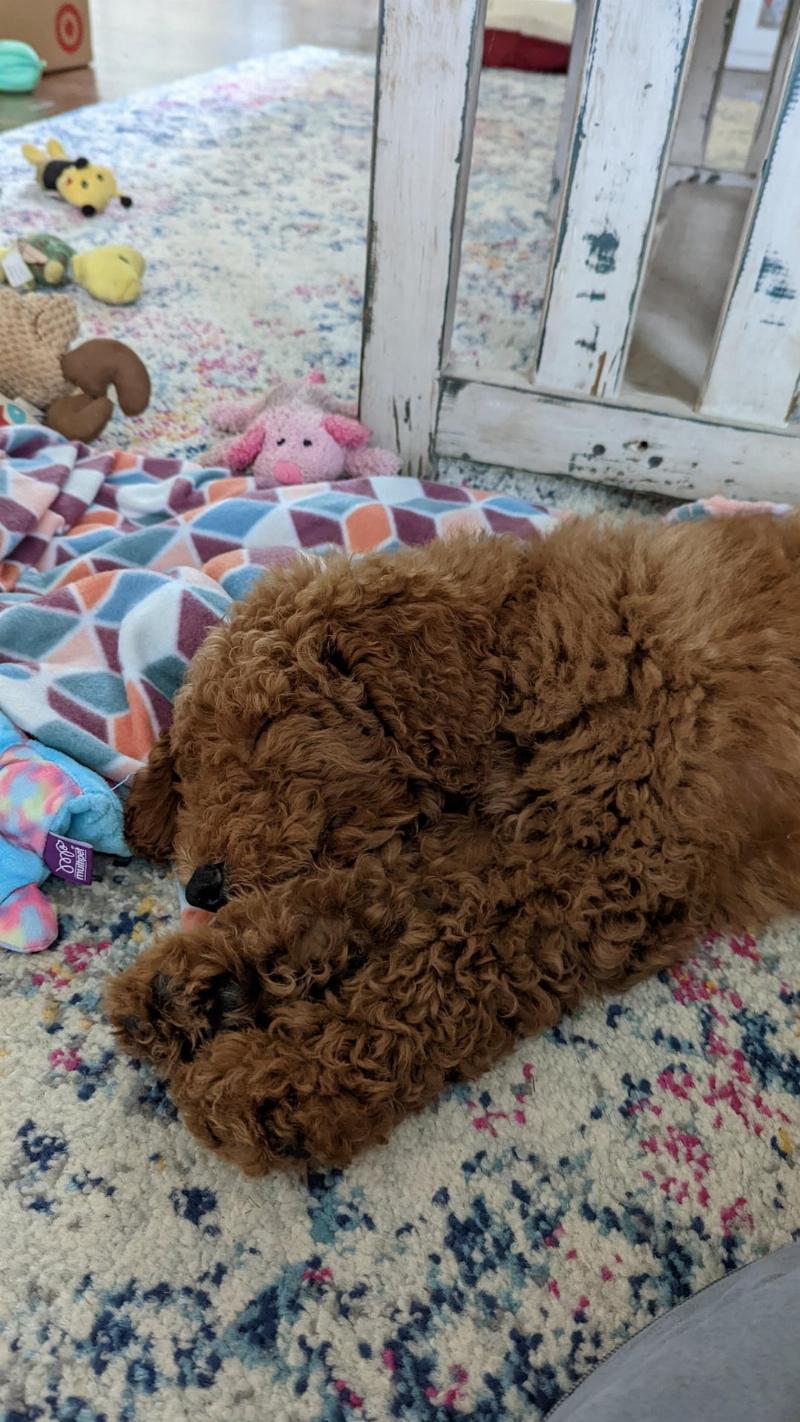 A focused Standard Poodle looking up attentively at its owner, who is holding a treat, demonstrating a key step in how to train a Poodle dog.
The Essential Poodle Training Toolkit
Getting started with training doesn’t require a lot of fancy equipment, but having the right tools on hand will make the process smoother and more effective.
- High-Value Treats: Poodles are often food-motivated, but not just any treat will do. Use small, soft, and extra-tasty treats that your dog absolutely loves. These are for training only, making them a special reward.
- A Comfortable Collar or Harness: A simple flat collar or a well-fitting harness is perfect. Avoid choke chains or prong collars, as these can cause injury and create negative associations with training.
- A Standard Leash: A 6-foot leash made of nylon or leather is ideal for teaching leash manners and basic commands. Avoid retractable leashes, as they offer less control.
- Clicker (Optional): A clicker is a fantastic tool for marking desired behaviors precisely. The “click” sound instantly tells your Poodle they did something right, followed immediately by a treat.
- Patience and a Positive Attitude: This is the most important tool in your arsenal. Training takes time and consistency. Celebrate small victories and stay optimistic, even on challenging days.
Laying the Foundation: House Training Your Poodle
House training is priority number one for any new puppy or dog. Poodles are smart and generally clean, so they tend to pick up on potty training relatively quickly with a consistent routine.
- Establish a Strict Routine: Take your Poodle puppy out first thing in the morning, last thing at night, and after every meal, nap, and play session. For very young puppies, this might mean every 30-60 minutes.
- Choose a Designated Potty Spot: Always take your dog to the same spot in the yard. When they eliminate, use a verbal cue like “Go potty” and reward them with lavish praise and a high-value treat the moment they finish.
- Supervise Closely: When indoors, keep a close eye on your puppy. Use baby gates to restrict access to certain rooms. If you can’t watch them, use a crate.
- Embrace Crate Training: A crate should be a safe, comfortable den—never a place for punishment. It’s an invaluable tool for preventing accidents when you can’t supervise your pup.
- Recognize the Signs: Learn to spot the signs that your Poodle needs to go out, such as circling, whining, or sniffing the ground intently. When you see these, act quickly.
- Handle Accidents Calmly: Accidents will happen. When they do, don’t scold your dog. This will only teach them to fear you. Simply clean the area thoroughly with an enzymatic cleaner to eliminate odors that attract them back to the same spot.
Socialization: Raising a Confident and Well-Behaved Poodle
Socialization is the process of exposing your puppy to various sights, sounds, people, and other animals in a positive way. The critical window for socialization is between 3 and 16 weeks of age. Proper socialization prevents fear, anxiety, and aggression later in life.
Introduce your Poodle to:
- Different People: Men, women, children, people in hats, people with beards, etc. Ensure interactions are calm and positive.
- Vaccinated, Friendly Dogs: Puppy classes are a great, controlled environment for this. Learning to play appropriately with other dogs is a vital skill.
- New Environments: Take them on car rides. Walk them on different surfaces like grass, pavement, and carpet. Visit a pet-friendly store.
- Various Noises: The vacuum cleaner, traffic, thunderstorms (at a low volume initially). Pair these sounds with treats to build positive associations.
A well-socialized Poodle grows into a confident, adaptable adult who is comfortable in a variety of situations. This foundation is just as important as obedience training. For those looking for specific training methods, understanding techniques like french dog training commands can add an interesting dimension to your regimen.
Mastering Basic Obedience: Core Commands for Your Poodle
Once house training is underway, you can focus on basic commands. Keep training sessions short and fun—5 to 10 minutes, several times a day, is much more effective than one long session.
Sit
This is often the first command taught. Hold a treat near your Poodle’s nose and slowly move it up and back over their head. Their head will go up, and their rear will naturally go down into a sit. The moment their bottom touches the floor, say “Yes!” or click, and give them the treat.
Stay
Start with very short durations. Ask your dog to sit, then say “Stay” while holding your hand up like a stop sign. Take one small step back. If they stay, step back to them and give them a treat. Gradually increase the distance and duration.
Come
This command can be a lifesaver. Make it the best word your dog has ever heard. Use a happy, inviting tone of voice. Start in a quiet room. Say your dog’s name followed by “Come!” and reward them with an amazing treat or a favorite toy when they get to you. Never call your dog to punish them.
Leash Training
Many dogs naturally pull on the leash. To teach your Poodle to walk politely, stop walking the moment they start to pull. Only move forward when the leash is loose. You can also reward them with a treat when they walk nicely by your side. This requires a lot of patience but pays off with pleasant walks. The principles of leash training can be adapted for various breeds, similar to how one might approach dog training for golden doodles.
Advanced Training: Unlocking Your Poodle’s Full Potential
Because Poodles are so intelligent, they thrive on mental stimulation beyond basic obedience. Bored Poodles can become mischievous. Challenging their minds is key to their well-being.
Consider activities like:
- Agility: This dog sport, which involves navigating an obstacle course, is a perfect outlet for a Poodle’s athleticism and intelligence.
- Advanced Obedience: Move beyond basic commands to more complex behaviors like “go to your place” or heeling off-leash.
- Trick Training: Teach them fun tricks like “roll over,” “play dead,” or even how to put their toys away. This is a fantastic way to bond and keep their minds sharp.
- Puzzle Toys: Food puzzles and interactive toys require your dog to solve a problem to get a reward. They are an excellent way to keep your Poodle entertained, especially when they are home alone.
Engaging in these activities strengthens your bond and provides the mental exercise a Poodle craves, leading to a happier, more well-behaved dog. For some, finding a pre-trained dog is an option, and there are resources for trained companion dogs for sale that can be explored.
Frequently Asked Questions (FAQ)
Are Poodles easy to train?
Yes, Poodles are generally considered one of the easiest breeds to train due to their high intelligence and desire to please. They learn commands quickly, but their intelligence also means they need consistent rules and mental stimulation to prevent them from developing bad habits.
How long does it take to potty train a Poodle?
With a consistent and diligent routine, a Poodle puppy can be mostly potty trained within a few weeks to a few months. However, full reliability may take up to six months. Consistency from the owner is the single most important factor.
Do Poodles bark a lot?
Poodles are not excessive barkers by nature, but they will alert you to strangers or unusual sounds. Boredom is a common cause of excessive barking, so ensuring your Poodle gets enough mental and physical exercise is key to managing this behavior.
What training method is best for Poodles?
Positive reinforcement is by far the best training method for Poodles. Their sensitive nature responds poorly to harsh corrections. Using treats, praise, and toys to reward good behavior will build a strong, positive relationship and make training a fun experience for both of you.
At what age should I start training my Poodle?
Training begins the day you bring your Poodle home. You can start with simple things like house training and socialization immediately. Formal obedience command training can begin as early as 7-8 weeks of age, keeping sessions very short and positive.
A Rewarding Partnership
The journey of how to train a Poodle dog is one of partnership and discovery. It’s about more than just teaching commands; it’s about learning to communicate with a highly intelligent animal and building a foundation of mutual respect and trust. By using positive reinforcement, providing consistent guidance, and challenging their bright minds, you will not only have a well-behaved companion but also a deeply bonded friend for life. Embracing this process will reveal the incredible character and capability that make the Poodle one of the world’s most beloved breeds.
