
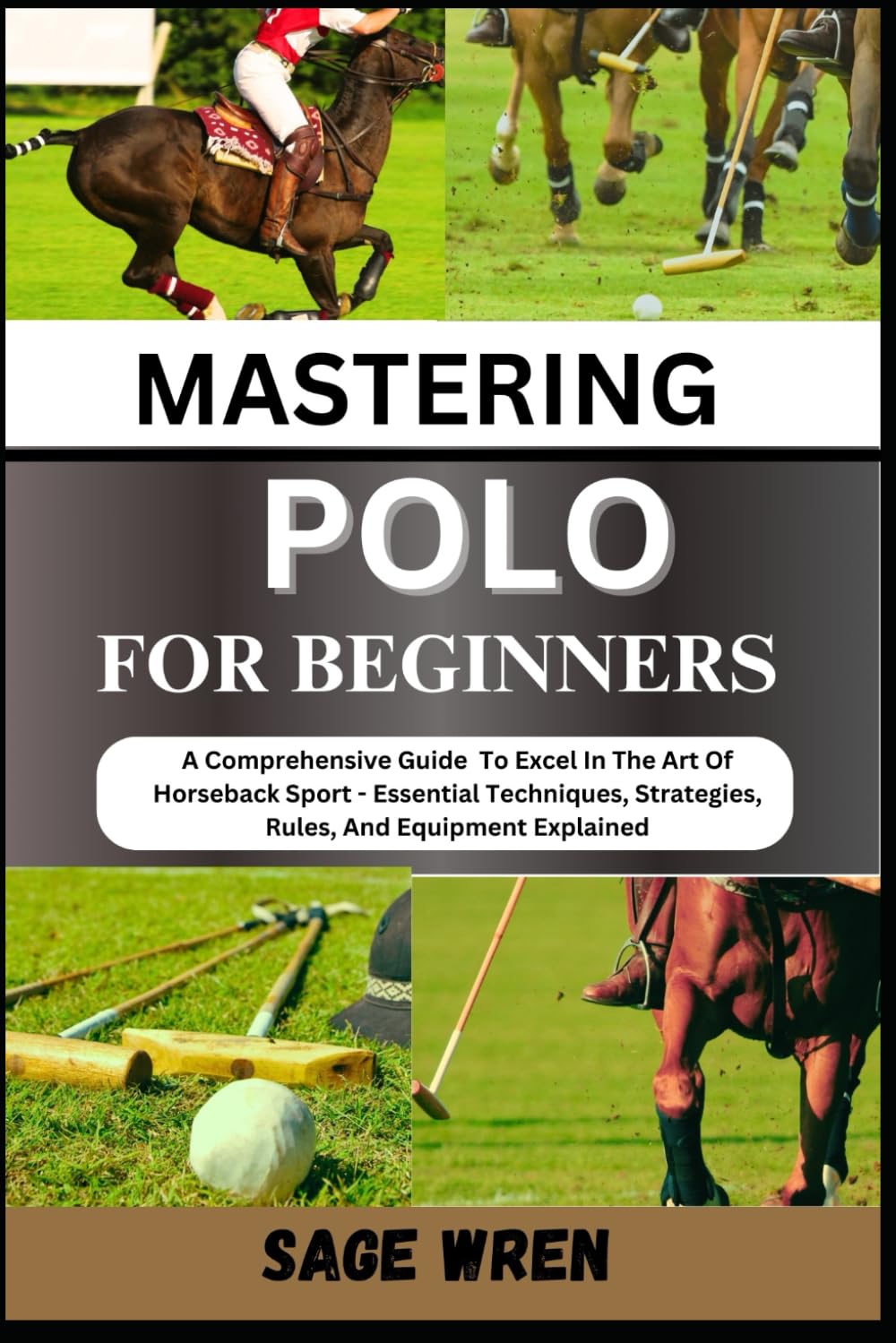
Training a polo horse is a journey that blends athleticism, responsiveness, and a deep understanding of the unique demands of the sport. It’s about building a partnership, not just obedience. This process requires patience, consistency, and a nuanced approach to equine education. Whether you’re a seasoned rider or new to the game, understanding the fundamentals of polo horse training is key to success on the field. We’ll delve into the core principles, essential techniques, and the specialized skills that transform a good horse into a great polo pony.
Understanding the Polo Horse’s Role and Temperament
Before diving into training, it’s crucial to appreciate what makes a polo horse suitable for the sport. These animals are athletes, bred for agility, speed, and courage. They need to be strong enough to withstand the physical demands, yet sensitive enough to respond instantly to a rider’s cues, often delivered with minimal visual contact. A good polo pony possesses a calm yet willing temperament. They must remain focused amidst the chaos of a match, not easily spooked by the ball, mallets, or other horses. This temperament is often a combination of genetics and early handling. The best polo horses exhibit a natural athleticism combined with a desire to please, making the training process more effective and rewarding.
Foundational Training: Building the Partnership
The bedrock of successful polo horse training lies in establishing a solid foundation of trust and communication. This starts long before any polo-specific drills are introduced.
Basic Obedience and Handling
First and foremost, the horse must be comfortable with basic handling. This includes:
- Leading: The horse should lead willingly and calmly at the handler’s side.
- Grooming: Tolerance and calmness during grooming are essential, as this is a daily part of care and builds trust.
- Tacking Up: The horse should stand quietly while being saddled and bridled, without fuss.
- Ground Manners: A solid understanding of basic commands like “whoa,” “walk on,” and “back up” from the ground is crucial.
Introducing the Saddle and Bridle
The introduction of the saddle and bridle should be gradual and positive.
- Saddle Introduction: Start by allowing the horse to see and sniff the saddle. Then, lay it across its back for short periods, gradually increasing the duration. Ensure the horse remains relaxed.
- Bridle Introduction: Introduce the bit gently, allowing the horse to mouth it before fully fitting the bridle. Break the process down into small steps, rewarding calmness at each stage.
Desensitization
Polo involves various stimuli that can startle a horse. Desensitization is key to ensuring they remain unfazed. This involves exposing the horse to:
- Waving objects: Start with gentle movements of a flag or a plastic bag, gradually increasing the intensity and proximity.
- Loud noises: Introduce sounds from a distance and slowly bring them closer, associating them with positive reinforcement.
- The ball: Allow the horse to see, sniff, and interact with a polo ball while on the ground. Roll it gently at first, then progress to more dynamic movements.
Riding Fundamentals for Polo
Once the horse is comfortable and responsive from the ground, the focus shifts to ridden work.
Developing a Soft Mouth and Responsive Aids
A polo horse needs to respond to the rider’s hands and legs with precision.
- Suppleness: Encourage the horse to relax its jaw and yield to the bit, developing a soft mouth. This is achieved through gentle rein aids and maintaining consistent contact.
- Leg Aids: Train the horse to move forward, sideways, and backward in response to subtle leg cues. This responsiveness is critical for maneuverability on the field.
- Seat Aids: A rider’s seat plays a vital role in guiding and balancing the horse. Training should emphasize the horse’s ability to react to shifts in the rider’s weight and position.
Basic Gaits and Transitions
Proficiency in all gaits is essential, with a particular emphasis on smooth and timely transitions.
- Walk, Trot, Canter: Ensure the horse can perform each gait smoothly and maintain it for extended periods.
- Transitions: Practice transitions between gaits (e.g., walk to canter, canter to trot) and between gaits and halts. These transitions need to be crisp and immediate.
- Developing the Gallop: The canter should naturally develop into a powerful, controlled gallop, which is the primary speed in polo. Focus on developing a balanced and efficient stride.
Introducing Polo-Specific Skills
With a solid foundation in place, you can begin introducing the unique demands of polo.
Riding Off and Turning
Polo involves tight turns and riding in close proximity to other horses.
- Neck Reining: Teach the horse to turn in response to pressure from the reins against its neck, which is common in polo.
- Short Turns: Practice sharp turns at the canter and gallop, simulating the maneuvers required to follow the ball or avoid opponents. This requires engaging the hindquarters and maintaining balance.
- Riding Off: Introduce the concept of “riding off,” where horses are allowed to use their bodies to impede opponents. This needs to be done carefully, ensuring the horse understands it’s a controlled push, not an aggressive attack.
Playing the Ball
This is perhaps the most challenging aspect of polo horse training.
- Swinging the Mallet: The horse must remain calm and stable while the rider swings a mallet. This begins with simply holding the mallet while riding, then progresses to gentle swings, and finally, to full practice swings. The horse should not flinch or react negatively.
- Following the Ball: Train the horse to watch the ball and move towards it as directed by the rider. This requires the horse to develop an understanding of the game’s objective.
- Hitting the Ball: At advanced stages, the horse needs to be able to maintain balance and a steady rhythm even as the rider focuses on hitting the ball. This often involves a combination of rider aids and the horse’s inherent athleticism.
Advanced Training and Conditioning
Polo is a demanding sport, and the horses require specialized conditioning.
Fitness and Stamina
Polo matches are physically taxing. Training should focus on building cardiovascular fitness and muscular endurance.
- Interval Training: Incorporate sessions of high-intensity galloping interspersed with periods of rest or slower work.
- Hill Work: Lunging or riding up hills can build hindquarter strength and overall stamina.
- Varying Workouts: A consistent routine of varied exercises prevents boredom and ensures well-rounded fitness.
Mental Conditioning and Focus
Beyond physical fitness, a polo horse needs mental fortitude.
- Simulated Game Scenarios: Practice drills that mimic game situations, including pressure from other horses and the ball.
- Maintaining Focus: Reward the horse for staying focused amidst distractions, reinforcing its role as a reliable partner.
- Positive Reinforcement: Continue to use positive reinforcement to keep the horse engaged and willing.
Common Challenges and Solutions in Polo Horse Training
Even with the best intentions, challenges can arise.
Spooking and Fear
If a horse is consistently spooking, it may indicate insufficient desensitization or a past negative experience.
- Solution: Go back to basics. Reintroduce stimuli gradually and ensure the horse feels safe and in control. Never punish a fearful reaction; instead, work to build confidence.
Lack of Responsiveness
A horse that is not responding well to aids might be confused, in pain, or simply not understanding the cues.
- Solution: Review your aids for clarity and consistency. Check for any physical discomfort or pain that might be hindering performance. Ensure the horse has a solid understanding of basic commands before moving to more complex tasks.
Mallet Shyness
This is a common issue where horses become anxious around the mallet.
- Solution: Patience is key. Start by simply carrying the mallet, then progress to gentle taps on the saddle or horse’s flank (if the horse is comfortable), always associating it with positive reinforcement.
The Role of the Rider in Polo Horse Training
It’s essential to remember that the rider is an integral part of the training process. A skilled rider who communicates effectively can significantly enhance a horse’s potential.
- Rider Balance and Position: A balanced rider is crucial for the horse’s comfort and ability to maneuver.
- Clear Aids: Consistent and clear use of leg, hand, and seat aids ensures the horse understands instructions.
- Patience and Understanding: Recognizing the horse’s limits and celebrating small victories fosters a stronger partnership.
Training a polo horse is a continuous process of refinement and partnership building. By focusing on a strong foundation, introducing specialized skills gradually, and understanding the unique demands of the sport, you can develop a horse that is not only a capable athlete but also a willing and joyful partner on the polo field. The journey of [How To Train A Polo Horse] is as rewarding as the game itself.
