
As devoted cat owners, we cherish the unique bond we share with our feline companions. However, our cats’ natural instincts can sometimes lead to behaviors that challenge us, from household destruction to unexpected nips and “gifts” of deceased prey. Understanding the root causes of these actions is key to fostering a harmonious relationship and ensuring our cats’ well-being. This guide delves into common feline behaviors like scratching, biting, and bringing dead animals indoors, offering insights and practical solutions to manage them effectively.
Preventing Destructive Scratching
Scratching is an innate behavior for cats, crucial for maintaining claw health, stretching their bodies, and marking their territory. When this instinct is directed at your furniture, it can become a significant household problem. To manage this, it’s essential to provide appropriate outlets for your cat’s scratching needs.
Providing Suitable Scratching Surfaces
The most effective way to redirect scratching is to offer a variety of scratching posts and surfaces. Place these in every room your cat frequents, ensuring they are stable and appealing. Experiment with different materials such as sisal rope, cardboard, wood, or carpet to discover your cat’s preference. Regularly inspect the posts for wear and tear, replacing them as needed to maintain their appeal. Consider vertical posts for cats who love to stretch upwards and horizontal or angled scratchers for those who prefer a different angle. Teach cat not to jump on counters by providing ample scratching opportunities, as this can also help redirect their energy and climbing instincts away from forbidden surfaces.
Enrichment and Boredom Prevention
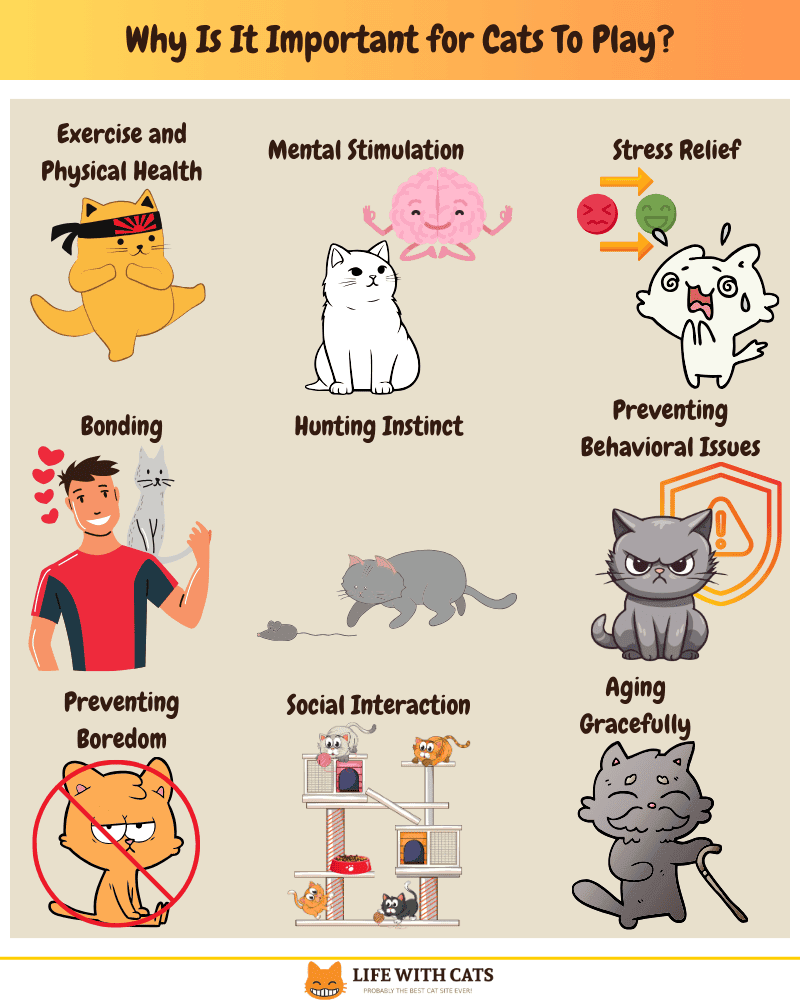
Beyond scratching posts, ensure your cat has sufficient environmental enrichment to prevent boredom and frustration, which can exacerbate undesirable behaviors. Interactive toys, puzzle feeders, climbing structures, and regular play sessions can keep your cat mentally and physically stimulated. A bored cat is more likely to engage in destructive behaviors as a way to self-entertain.
Addressing Cat Biting
Biting can be a disconcerting behavior, especially if it stems from a lack of proper socialization as a kitten or miscommunication between you and your cat. Understanding the context of the bite is crucial for addressing it effectively.
Affection and Overstimulation
Cats express and receive affection differently than humans. While we may enjoy prolonged physical contact, cats often prefer short, gentle interactions. If a cat solicits affection, engage with them briefly, perhaps for only five seconds, and then stop. If they lean in for more, you have permission to continue for another short burst. This approach prevents overwhelming your cat, building trust, and reducing the likelihood they’ll resort to biting when feeling overstimulated. By respecting their boundaries, they learn that your hands are a source of pleasant interaction, not overwhelming attention.
Play Biting
Kittens often learn bite inhibition through play with their littermates. If a cat bites during play, it’s often a learned behavior that needs redirection. Since play for cats often mimics hunting, teeth and claws are naturally involved. When playing, always use toys like “things on strings” that allow your cat to engage their predatory instincts without involving your hands or feet. This keeps your hands safe and allows your cat to satisfy their need to bite and shred. How to teach your cat to play dead can be a fun game, but ensure it doesn’t involve biting or aggressive play.
Communicative Biting
Sometimes, a gentle nip can be a cat’s way of communicating a need or a subtle hint you might be overlooking. If your cat nips you and then tries to lead you in a specific direction, they might be trying to tell you they’re hungry, want a door opened, or need you to follow them to something they want to show you. Paying close attention to your cat’s body language can help you decipher these signals and respond accordingly, reinforcing more subtle communication methods.
Predatory Behavior
In some cases, a cat may develop predatory behaviors, stalking and hunting their owners. This is often a sign of significant boredom and frustration due to a lack of appropriate enrichment. If you notice this behavior, it’s advisable to consult a feline behaviorist for tailored guidance. Learning how to train a kitten to stay off counters might also be beneficial in redirecting heightened energy.
Understanding the “Gifts” of Dead Animals
Cats are natural-born hunters, and bringing prey indoors is an ingrained survival behavior. Even well-fed cats with ample toys may still exhibit this instinct.
Natural Hunting Instincts
For cats, hunting is a natural behavior, and they may bring their “trophies” home for various reasons: to share with their “family” (which includes you), to practice their hunting skills in a safe space, or simply because they’ve successfully caught something and brought it back to their territory. While it can be unsettling for owners, it’s important to remember this is a natural feline behavior.
Redirecting Hunting Instincts
Providing your cat with sufficient opportunities to “hunt” through interactive play with toys can help satisfy this instinct. Puzzle feeders that dispense treats can also mimic the challenge of capturing prey. Ensuring your cat has outlets for their natural behaviors can reduce the likelihood of them bringing you unwanted gifts.
Conclusion: Fostering a Better Bond
Managing feline behaviors like scratching, biting, and hunting requires patience, understanding, and a commitment to meeting your cat’s natural needs. By providing appropriate outlets for their instincts, respecting their communication cues, and ensuring they have a stimulating environment, you can strengthen your bond and create a more harmonious home for both you and your beloved feline companion. Always consult with a veterinarian or a certified feline behaviorist if you’re struggling with persistent or severe behavioral issues.
