
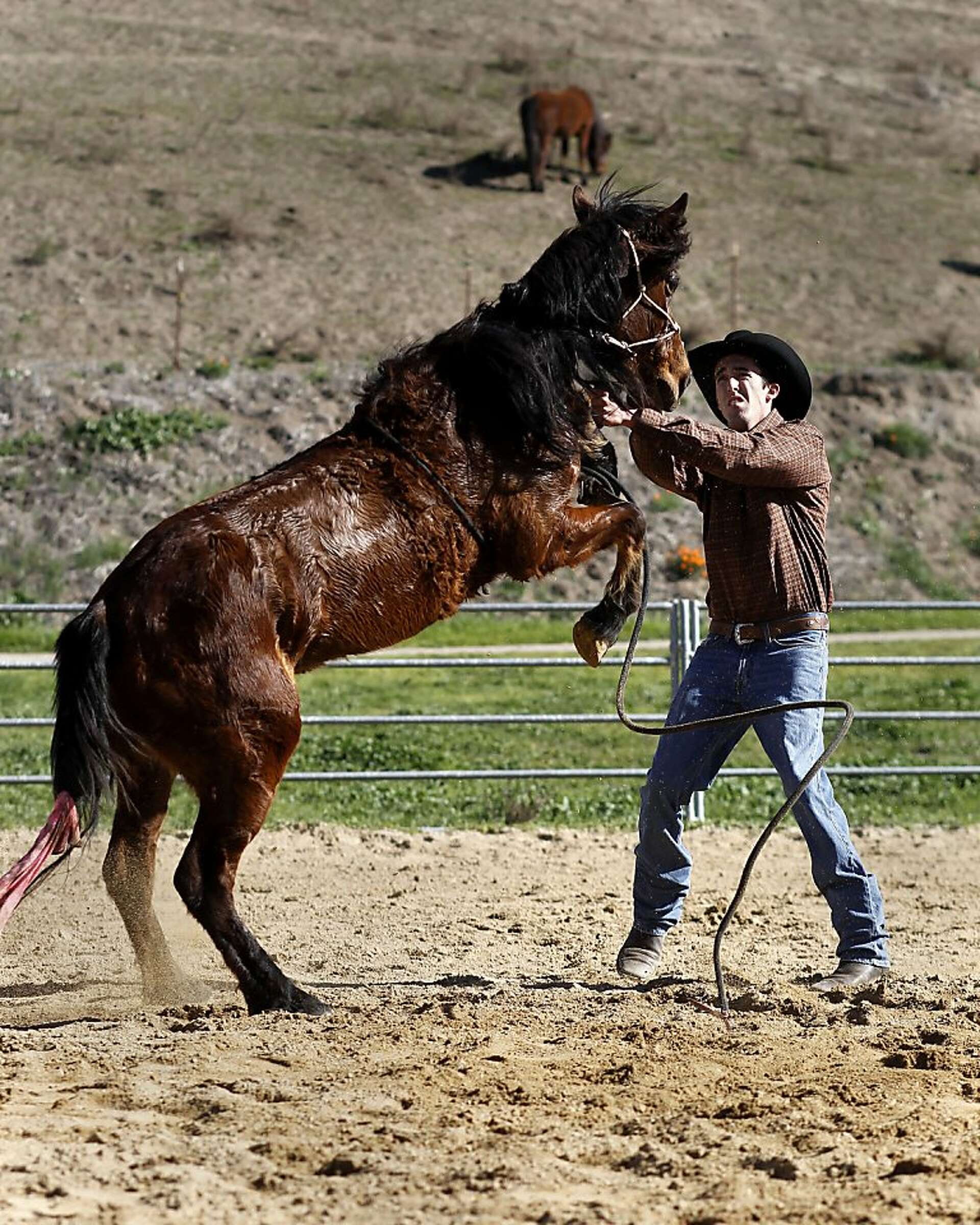
Adopting and training mustangs can be an incredibly fulfilling experience, a sentiment echoed by my recent success at the Maryland TIP Mustang challenge. Returning with a championship buckle, earned with my mustang Elon, who hails from the Silver King’s HMA (herd management area), underscores the unique bond and potential these horses offer. For those considering bringing a mustang into their lives, understanding their characteristics and needs is paramount.
Understanding Mustang Characteristics
Mustangs are generally compact, hardy horses with excellent feet, making them “easy keepers” capable of thriving outdoors on forage alone. However, it’s crucial to acknowledge that upon arrival, their feet may require regular trimming, and routine vaccinations might be pending, though deworming is typically done twice a year. The initial gentling process is vital to acclimate them to handling, foot care, and veterinary procedures. An ideal mustang should be easy to catch, lead, and comfortable with having its feet handled. While rare, it’s important to be aware of potential physical issues, as in some cases, unrideable horses may be euthanized. Nutritionally, most mustangs require minimal supplementation, though individual needs vary. My own mustangs benefit from a vitamin and mineral supplement, added fat, and a probiotic.
The Significance of Herd Management Areas (HMAs)
A mustang’s size, color, and temperament are often linked to its Herd Management Area (HMA), areas designated and managed by the Bureau of Land Management (BLM) in the United States. While HMAs provide a grouping based on origin, it’s important to remember that wild horses travel, and their movement can cross HMA boundaries.
My experience with horses from various HMAs has highlighted distinct traits. For instance, mustangs from Oregon, such as Kibou from Warm Springs, are known for their calm demeanor and good brains, making them suitable for beginners. Kibou was so gentle that he even participated in a commercial shoot early in his training.
Mustangs can be a mix of breeds due to historical releases or escapes of domestic horses into the wild. Horses from Utah, like Valenti from Bible Springs, may exhibit Spanish breeding, evident in their fancy movement and topline. Conversely, horses from areas like Warm Springs in Oregon might show influences from ranch stock or even Saddlebred lines. Researching the specific HMA can provide valuable insights if you’re seeking a particular type of horse.
My first mustang, a black horse from Antelope Valley, was friendly and easy to handle, though he proved a bit more stubborn and opinionated, requiring significant positive reinforcement. Later, Meraki (from Nevada) and Kibou (from Oregon) were easier to start, though Meraki was initially more flighty. Valenti, from Bible Springs, Utah, required more trust-building due to his Spanish bloodlines and sensitivity to stimuli like tarps, yet he was exceptionally talented. Most recently, Elon and Timmy from Silver Kings, Nevada, displayed distinct personalities despite their shared HMA origin; Elon is more even-tempered, while Timmy is more energetic and prone to rushing. This reinforces the need to assess each horse individually, while HMAs offer general guidance on build, hardiness, and movement. My upcoming Palomino mustang, Tom’s Treasure, also from Antelope Valley, shows some reactivity but is progressing well.
Acquiring a Mustang: TIP Challenges and Adoptions
The process for acquiring a mustang differs for Americans and Canadians. The Mustang TIP (Training and Integration Program) Challenge is a popular route, streamlining paperwork and pickup arrangements, which is particularly beneficial for international adopters. A significant perk of the TIP Challenge is the consistent, low cost: $125 for adults and $25 for youth. In contrast, auction events can see unhandled mustangs from desirable HMAs or colors fetch prices exceeding $5,000, sometimes even $10,000.
To participate in a TIP Challenge, an application is submitted to the BLM. Trainers then select mustangs, with selection methods varying from first-come, first-serve to assigned lists or specific groups for different nationalities. This distinction arises from two types of BLM horses: “titled” or “sale authority” horses, and “adoption” horses.
Adoption horses remain government property for one year before title transfer, preventing immediate interstate or international relocation. Canadians, therefore, must select from sale authority horses, which can depart immediately. These horses become sale authority horses after being passed over three times at adoption events or challenges. This is how I acquired Elon and Timmy. My Palomino mustang, however, was an adoption horse and required a year’s stay in the US.
TIP Challenges, focusing solely on in-hand work, are excellent for building initial trust without the pressure of riding. Extreme Mustang Makeovers, however, require riding and conclude with a mandatory auction. Trainers have the option to purchase the horse, receiving 50% of the sale price. For instance, if a horse sells for $5,000, the trainer would pay $2,500. Mustang holding facilities are numerous, with one located in Illinois. Upon pickup, horses come with complete health certificates and vaccination records. Canadians require an additional USDA stamp on the health certificate for border crossing.
The Rewarding Experience of Mustang Ownership
Owning and training a mustang is profoundly rewarding. The moment your horse allows its first touch or accepts a halter is incredibly exciting. Witnessing milestones like their first show, offsite experience, or navigating an obstacle, alongside their overall growth, is unparalleled. Working with mustangs, each with unique personalities, presents both entertainment and challenge. My approach, rooted in Harmony Horsemanship, emphasizes gentle handling and abundant positive reinforcement. You can observe this process, from first touches to halter acceptance, in my mustang videos on the Harmony Horsemanship Connection Club. The dedication and love exhibited by trainers at Mustang challenges, all striving to give these horses the best start, create a truly special atmosphere.
For further resources on mustang training and related information, explore Harmony Horsemanship or my personal website, Lindsey Partridge.
