
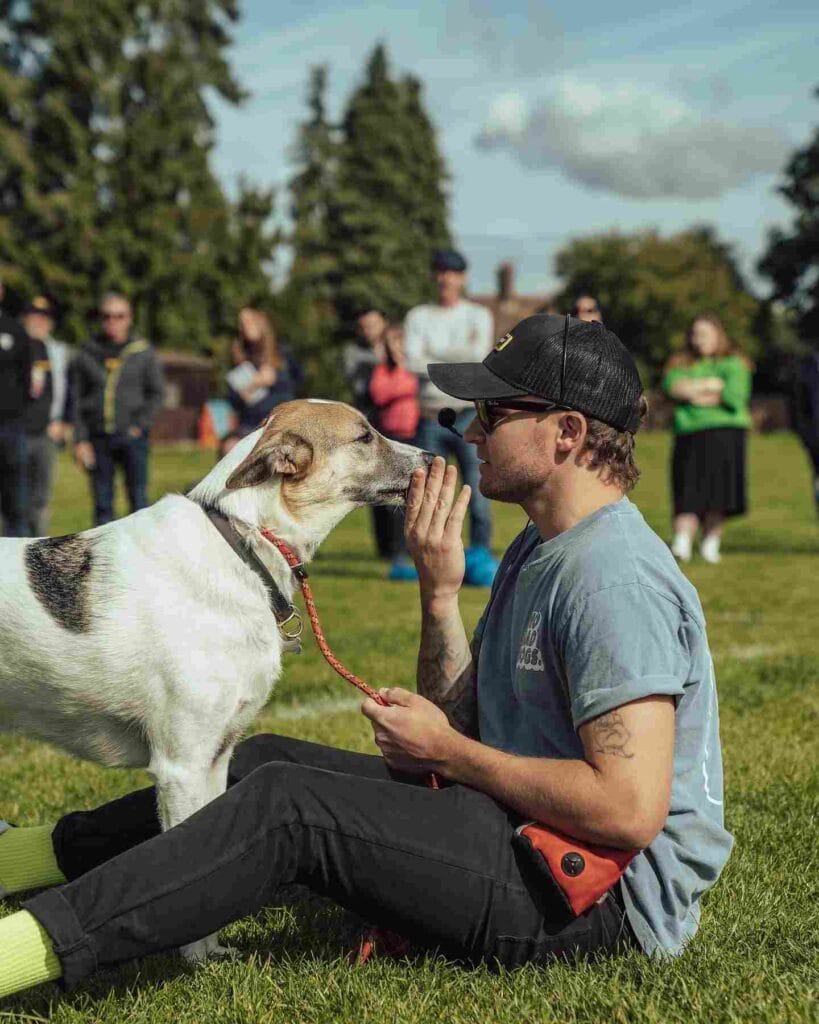
Teaching your dog to come when called, also known as recall, is one of the most crucial obedience skills they can learn. However, the world presents countless fascinating distractions that can make this training a challenge, as you’re essentially asking your dog to disengage from something interesting to return to you. This guide will walk you through effective methods to instill a reliable recall in your canine companion.
What You Need to Teach Recall
To begin teaching your dog to come when called, you’ll need a few simple items:
- High-value treats: Small, delicious treats that your dog loves will serve as powerful motivators.
- A quiet area indoors: Starting in a low-distraction environment is key to building a strong foundation.
Steps for Teaching “Come”
The process of teaching recall should be gradual and rewarding, building on success at each stage.
- Introduction to the Cue: Start by sitting with your puppy in a quiet space. Say their name or the cue word, “come.”
- Positive Association: Immediately after saying “come” or their name, give your puppy a treat. At this initial stage, your puppy doesn’t need to perform any action; the goal is simply to create a positive association with the word. Repeat this several times.
- Treat Toss: Place a treat on the floor near you. Once your puppy finishes eating the treat on the ground, repeat the cue word. When they look up at you, offer another treat.
- Increasing Distance: Repeat step 3 multiple times. Gradually, begin to toss the treat a little further away. Ensure that your dog can still turn to face you when you say their name. Important Note: Avoid repeating your puppy’s name too frequently without a response, as this can teach them to ignore it. If this happens, move closer to your puppy and revert to a step where they can successfully respond to their name on the first try.
- Adding Movement and Fun: Once your puppy reliably turns to face you, introduce movement to make the training more engaging. Toss a treat and take a few quick steps away while calling your puppy’s name. They should be motivated to chase you because the game is enjoyable.
- Reinforcement: When your puppy reaches you, offer enthusiastic praise, extra treats, or engage them with a favorite tug toy. The objective is to make coming to you a highly positive experience.
- Generalization: Continue to build upon these steps in various new locations and with increasing distances. When training outdoors, always do so in a safe, enclosed area. Initially, it can be beneficial to keep your puppy on a long leash.
Key Considerations for Recall Training
When your dog comes to you, resist the urge to immediately reach out and grab them. For some dogs, this action can be confusing or even frightening. If you have a timid puppy, try kneeling down, facing them sideways, and offering treats as you reach for their collar. Crucially, never call your dog if you intend to punish them. This will only teach them to associate coming to you with negative consequences and encourage avoidance. Regardless of any mischief they may have been up to, always reward your dog generously for responding to their name or recall cue.
Kait Hembree, Head of Training at GoodPup, stresses the importance of keeping recall training enjoyable. “It is critical that we work to ensure a positive and highly reinforced connection to our dog’s recall cue by working to balance the fun with allowing them to at times return to what they were doing originally when we called them,” Hembree states. “Always rewarding for their immediate response when cued; and making sure that the value of their reward is worth what they walked away from to come to us.” Making recall training fun can significantly improve your dog’s enthusiasm and reliability.
Fun Games to Reinforce Recall
Incorporating games into your training routine can make practicing recall even more effective and enjoyable.
Can You Catch Me?: While on a walk with your dog on-leash, get their attention. Then, turn around and jog in the opposite direction. As your pup begins to follow, say “come!” After a few steps, stop and reward your pup with a treat or a toy. Note: Before you start running, ensure your dog is already engaged and paying attention to prevent any sudden jerks on the leash.
Hide-and-Seek: This classic game is a delight for both dogs and humans. Find a hiding spot in another room, then call out for your dog to find you. Once they locate you, reward them with abundant praise and treats. This game is best introduced after your dog has a solid grasp of basic recall.
Hot Potato: Gather two or more friends to participate. Equip each person with a high-value treat. Take turns calling your dog between each person, rewarding them each time they successfully come to the person who called them.
Test Your Dog’s Recall Skills
Did you know that “come when called” is one of the ten essential skills required for both puppies and adult dogs to achieve the Virtual Home Manners title? For puppies aged 3 months to 1 year, they must successfully come when called from a distance of 10 feet indoors. Adult dogs, aged 4 months and older, must demonstrate the ability to come when called from 20 feet away or from another room within the house.
