
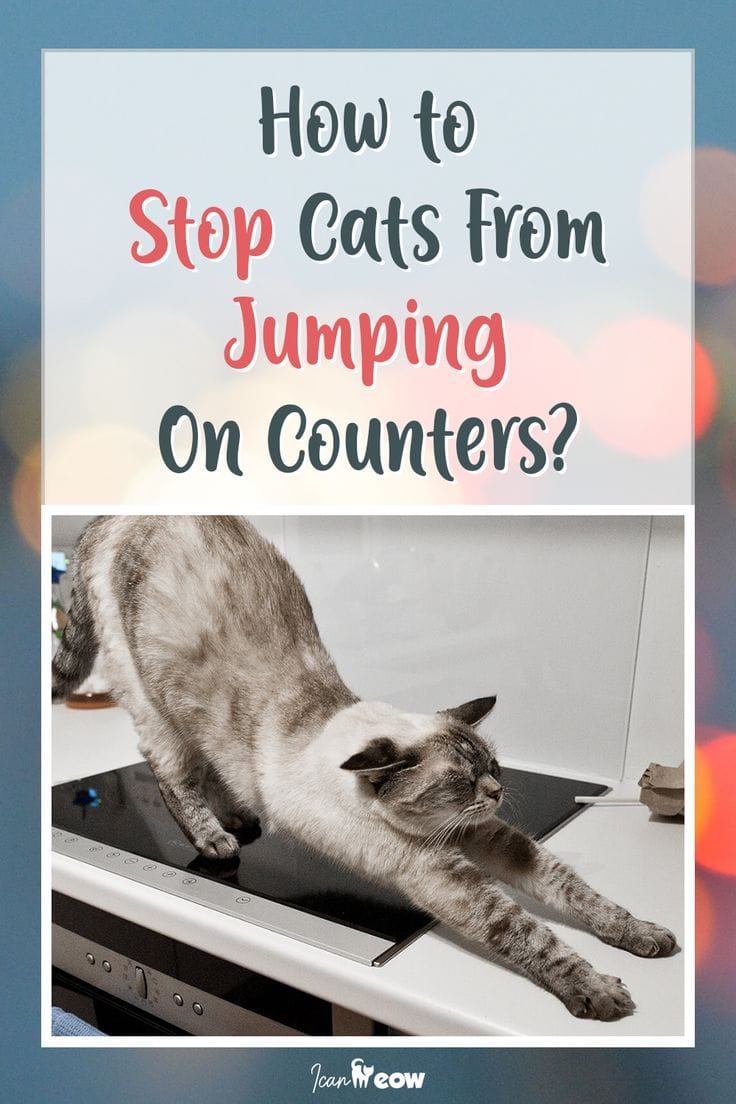
Are you tired of finding your feline friend perched atop your kitchen counters? It’s a common frustration for cat owners, but with patience and the right approach, you can successfully train your cat to keep their paws on the floor. This guide will walk you through effective, positive methods to achieve a counter-free environment for your beloved pet.
Eliminate Temptation
The most crucial step in keeping your cat off the counter is to remove anything that might entice them to jump up in the first place. Food is the biggest lure. Ensure your counters and sink are always clean and free of any food scraps. Rinse dishes immediately after use and store food away, rather than leaving it out, especially in plastic bags. Cats can easily tear through plastic packaging, which poses risks of ingestion and potential suffocation.
Make the Counter Unappealing
You want your cat to find the counter an undesirable place to land. Consider using deterrents that don’t cause harm or distress. Placing crumpled aluminum foil on the counter can startle them with its noise and texture. Another option is to use double-sided pet tape applied to a piece of cardboard, which can then be placed on the counter. This allows you to make the surface unpleasant without directly applying tape to your countertops.
Provide Acceptable Alternatives
Understanding why your cat is drawn to the counter is key to redirecting them. Are they seeking a vantage point to survey their domain, especially if the kitchen is a busy area? Providing a tall cat tree or shelves in the vicinity can offer them a suitable alternative high perch. If hunger is the motivator, ensure your cat’s feeding schedule is appropriate and they aren’t experiencing long gaps between meals. Boredom can also lead to counter-surfing; increasing playtime and providing engaging toys can help.
Discourage Counter Surfing
When you catch your cat in the act of jumping onto the counter, the most effective response is a neutral one. Calmly pick them up and place them on the floor. Avoid talking to them, making eye contact, or any other reaction that could be interpreted as attention. For cats seeking attention, even negative attention can be reinforcing. The goal is for them to learn that jumping on the counter leads to no reward.
Redirect to Appropriate Alternatives
After neutrally removing your cat from the counter, wait about 60 seconds. Then, use a toy or a favorite treat to lure them towards their designated alternative perch. This technique helps them associate positive experiences with using their own special spots and neutral experiences with the counter. Over time, they will begin to prefer the location that offers rewards.
Embrace Positive Reinforcement
Behavings that are rewarded are more likely to be repeated. When your cat chooses to use their cat tree or shelf instead of the counter, be sure to offer praise and a small treat. This positive reinforcement solidifies the desired behavior and encourages them to continue making good choices. You can also look for opportunities to provide Positive Reinforcement whenever you observe them using their appropriate climbing spaces.
What Won’t Work
It’s important to avoid methods that rely on fear, pain, or discomfort. Devices like shock mats or plastic spikes are not recommended as they can cause undue stress and damage your relationship with your cat. Similarly, punishing your cat by yelling or squirting them with water is ineffective and can lead to anxiety. Positive training methods, focusing on rewarding desired behaviors, are always the most effective and humane way to train your cat.
By consistently applying these positive training techniques, you can successfully teach your cat to stay off the counters, creating a safer and more harmonious living environment for both of you.
