
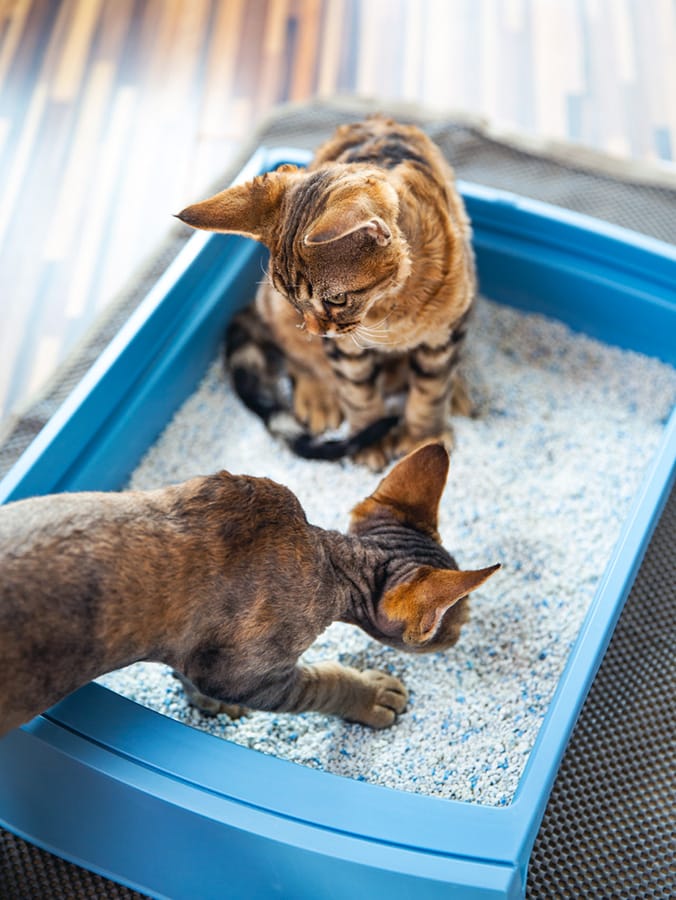
Bringing a new kitten home is an exciting time, but it also comes with the responsibility of teaching them essential life skills. One of the most crucial is litter box training. While adult cats often instinctively know where to go, kittens, especially those under four weeks old, rely on their mothers for guidance. This guide will walk you through the process of litter training kittens, ensuring a clean and happy home for both you and your feline companion.
When to Begin Litter Training
Kittens begin to develop their elimination habits in the first few weeks of life, guided by their mother. Litter training can commence around 4 weeks of age, coinciding with when they start to be weaned from their mother’s milk. If you’ve adopted an older kitten or an adult cat, you can begin litter box training as soon as they settle into their new environment.
Essential Supplies for Litter Box Training
Having the right tools is fundamental to a smooth training process. You’ll need:
- Kitten-Friendly Litter: For kittens under 8-10 weeks old, opt for non-clumping litter. As they grow, you can transition to clumping varieties.
- Low-Sided Litter Box: Young kittens need easy access. A low-sided tray, approximately 13 by 9 inches, is ideal. As your kitten grows, you’ll need to gradually increase the box size.
- Scooper: For daily cleaning.
- Litter Genie: To help manage waste and odors.
- Litter Mat: Placed outside the box to catch stray litter.
Successful Litter Training Steps
Implementing these steps will significantly increase your chances of litter box training success and help you avoid common litter box mistakes.
1. Selecting the Right Litter Box
The litter box itself plays a significant role. Overly large boxes can be intimidating for small kittens. A good rule of thumb for box size is to ensure it’s about 1.5 times your cat’s length. For multi-cat households, the general rule is to have one more litter box than the number of cats. For instance, two cats require at least three litter boxes.
Uncovered vs. Covered Litter Boxes: Many cats feel more comfortable using uncovered litter boxes. This preference stems from a natural instinct to avoid feeling trapped in an enclosed space where a predator might surprise them. However, some cats may prefer the privacy of a covered box. Offering a choice between both types can help you determine your kitten’s individual preference.
2. Choosing the Ideal Litter Type
Most cats are partial to fine-grain litter due to its softer texture. When it comes to clumping versus non-clumping litter, it’s often a matter of feline preference. While clumping litter offers convenience for owners, kittens under 8-10 weeks should exclusively use non-clumping varieties to prevent accidental ingestion and potential blockages. Once your kitten is older, you can introduce clumping litter. Experimenting with different litter types is the best way to discover what your kitten prefers.
3. Strategic Litter Box Placement
The location of litter boxes is critical for successful training. Consider these placement tips:
- Spacing: Distribute litter boxes throughout your home. Placing them too close together can make them function as a single unit, which can be problematic in multi-cat homes.
- Accessibility: Avoid hiding boxes in closets or tight corners. Cats generally prefer not to feel cornered when they need to eliminate.
- Adequate Lighting: Ensure litter boxes are not in pitch-black areas. While cats have excellent low-light vision, a dimly lit space with some ambient light, or even a night-light, can make the box more inviting and easier to find.
- Minimize Distractions: Choose quiet, low-traffic areas for litter boxes to allow your kitten to focus on their business without being startled.
- Multi-Level Homes: Place at least one litter box on each floor of your home to ensure easy access. Cats are less likely to travel long distances or navigate obstacles to reach a litter box.
4. Introducing Your Kitten to the Litter Box
Once your supplies are ready and locations are chosen, it’s time for the introduction.
- Show your kitten each litter box, allowing them to explore and sniff the area.
- Gently place your kitten inside the box. Many kittens will instinctively paw at the litter or begin using it.
- If your kitten doesn’t use the box initially, try placing them in it each time they wake up from a nap, after eating, or after drinking. This consistent routine will help them associate the box with elimination.
5. Reinforcing Positive Habits
Positive reinforcement is key. When your kitten successfully uses the litter box, offer immediate praise and a favorite cat treat. This immediate reward helps them connect the act of using the litter box with a positive outcome.
Crucially, never punish or scold your kitten if they have an accident. Instead, calmly clean the mess using an enzymatic cleaner specifically designed to eliminate pet odors. A calm response prevents your kitten from developing negative associations with elimination. You can learn more about how to get rid of cat pee smell for effective cleanup.
6. Maintaining Cleanliness
Cleanliness is paramount in litter box training. Ideally, scoop the litter box after every use, especially during the initial training phase. This prevents your kitten from developing an aversion to a dirty box. Maintain a litter depth of 2 to 3 inches, allowing ample space for digging. As your kitten becomes more proficient, daily scooping may suffice. A thorough litter box cleaning with soap and water should be done weekly to ensure a hygienic environment. Regular cleaning of the litter box is essential.
Addressing Litter Box Aversion
If your kitten consistently avoids the litter box, try these troubleshooting steps:
- Re-evaluate the Setup: Review your litter box setup. Ensure boxes are easily accessible, in quiet locations, not hidden, and free from territorial guarding by other cats.
- Experiment with Boxes and Litter: Consider introducing a new box (different style or size) or changing the litter type. This helps determine if the issue lies with the box itself or the litter.
- Increase Cleaning Frequency: Scoop and replace litter more often.
- Utilize Pheromone Diffusers: Products like pheromone diffusers can help reduce stress and anxiety, making your kitten feel more secure and comfortable with their litter box.
- Veterinary Consultation: If problems persist, a visit to your veterinarian is crucial. They can rule out underlying medical issues such as intestinal parasites or urinary tract infections, which can sometimes lead to inappropriate elimination. Your vet can also offer personalized advice for persistent litter box challenges.
Litter training requires patience and consistency. With your loving support and attention, your kitten will undoubtedly master these essential habits.
