
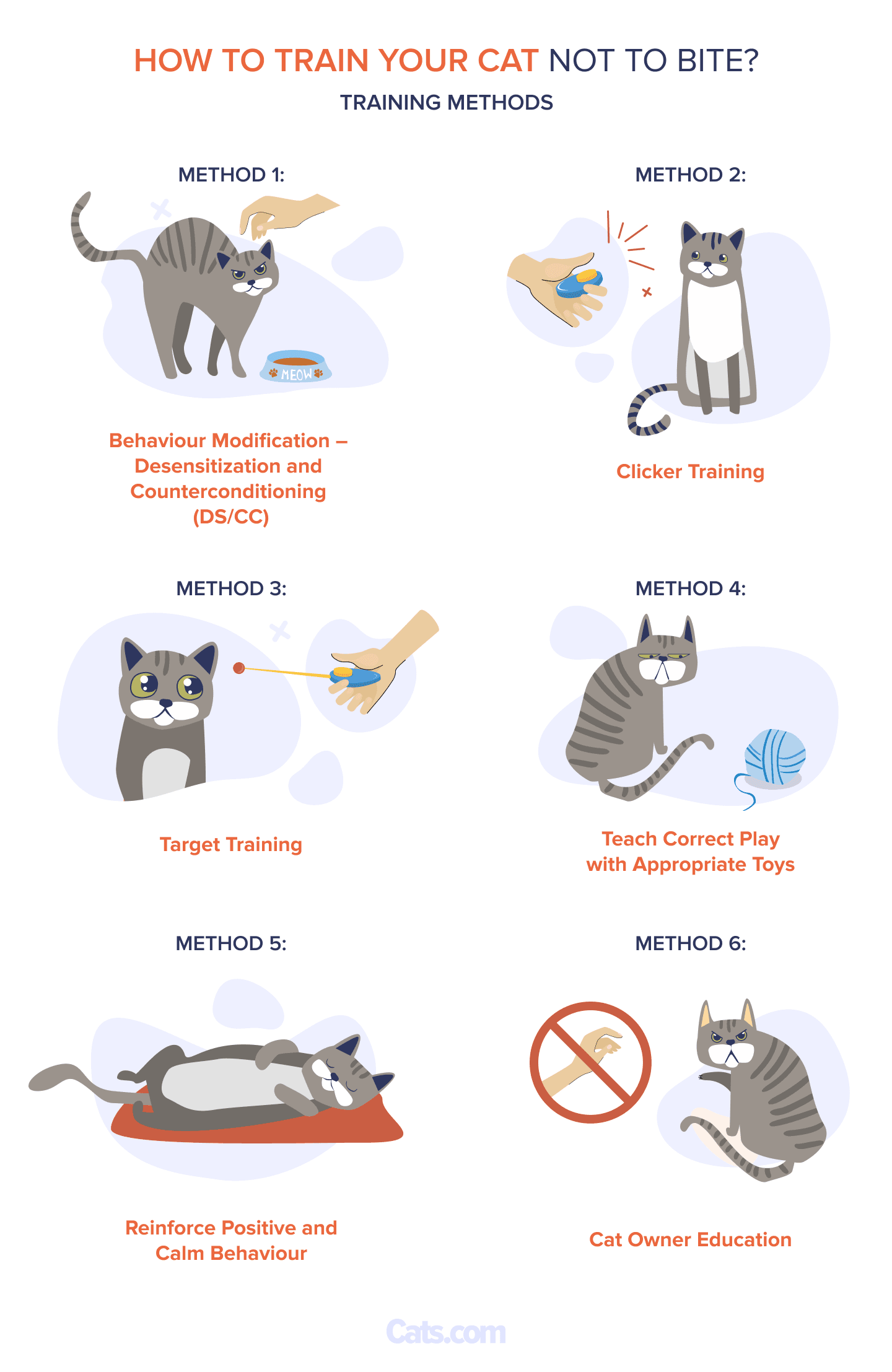
Bringing a new kitten home is an exciting experience, filled with playful antics and adorable moments. However, these playful instincts, while natural and crucial for a kitten’s development, can sometimes lead to unintentional nips and scratches. Owners can also inadvertently encourage rough play by using their hands as toys. Fortunately, teaching your kitten appropriate play behavior is achievable with consistency and patience. This guide will help you understand how to foster gentle play habits, ensuring a safe and enjoyable playtime for both you and your feline companion.
Hands Are Not Toys
A common mistake new kitten owners make is incorporating their hands and fingers into playtime. While it might seem harmless, this can inadvertently teach your kitten that human hands are acceptable targets for biting and scratching. It’s important to remember that your kitten isn’t trying to cause harm; they simply haven’t yet developed the understanding of their own strength and instincts. Observing behaviors like batting, chasing, pouncing, stalking, ambushing, and biting are all part of their natural predatory drive, essential for their mental and physical growth. Keeping them engaged in appropriate play is a key aspect of responsible cat ownership.
Interpreting Your Kitten’s Body Language
During playtime, paying close attention to your kitten’s body language is crucial. Their tail and ears can offer significant clues about their emotional state. Signs of potential aggression or overstimulation include tail flicking or thumping, flattened ears, hissing, growling, or their fur puffing out. Dilated pupils, a crouched stance, a frozen posture, and sudden movements can also indicate that your kitten needs a break or feels uncomfortable. Continuing to play in a way that seems to agitate them might lead to retaliatory bites or scratches.
Managing Rough Play
It’s important to distinguish between playful roughhousing and true feline aggression. If your kitten becomes overly boisterous and starts to bite or scratch you during play, here are some effective strategies to guide their behavior:
- Focus on Toys: Redirect your kitten’s attention to designated toys that help them hone their natural skills. This could include feather wands, laser pointers (used responsibly), or small plush toys.
- Use Verbal Cues: When your kitten attempts to bite or scratch you, use a consistent, firm word like “ouch” or “no.” Immediately stop the play session and, if necessary, leave the room for a short period. This teaches them that such actions have consequences and end the fun.
- Ignore Undesirable Behavior: If your kitten’s play becomes too wild, sometimes the best approach is to withdraw attention. When they learn that rough behavior doesn’t elicit a response, they are less likely to repeat it.
- Redirection is Key: Use interactive toys to redirect your kitten’s predatory energy away from your hands and towards appropriate outlets.
- Provide Proper Scratching Outlets: Invest in a variety of high-quality scratching posts and cat trees. These provide essential outlets for scratching, satisfying their natural urge and protecting your furniture.
- Regular Nail Trims: Keeping your kitten’s claws trimmed can significantly reduce the potential for injury during play.
If you only have one kitten, you may need to dedicate more time to training and socialization. They might take a bit longer to grasp the rules of gentle play compared to kittens in a multi-cat household. Kittens that are under-stimulated may exhibit more behavioral issues, including rough play.
Conversely, be mindful of overstimulation. Excessive play can lead to an irritable, tired, or even aggressive kitten. Always observe their body language and provide them with ample opportunities to rest and decompress.
Positive Kitten Training
Your kitten might occasionally “pretend” to bite or scratch. This can sometimes be a sign of affection, an attempt to get your attention, or simply an expression of their innate instincts. Never scold or punish your kitten for play fighting, as it is a natural behavior. Instead, use these moments as opportunities for positive interaction and to reinforce gentle play.
If you do sustain a bite or scratch, it’s important to clean the wound thoroughly with soap and water.
For further questions regarding kitten training and behavior, please do not hesitate to contact us at (916) 624-PETS (7387). Our dedicated veterinarians at Rocklin Ranch Veterinary Hospital are always ready to assist you in ensuring your kitten grows into a well-behaved companion.
