
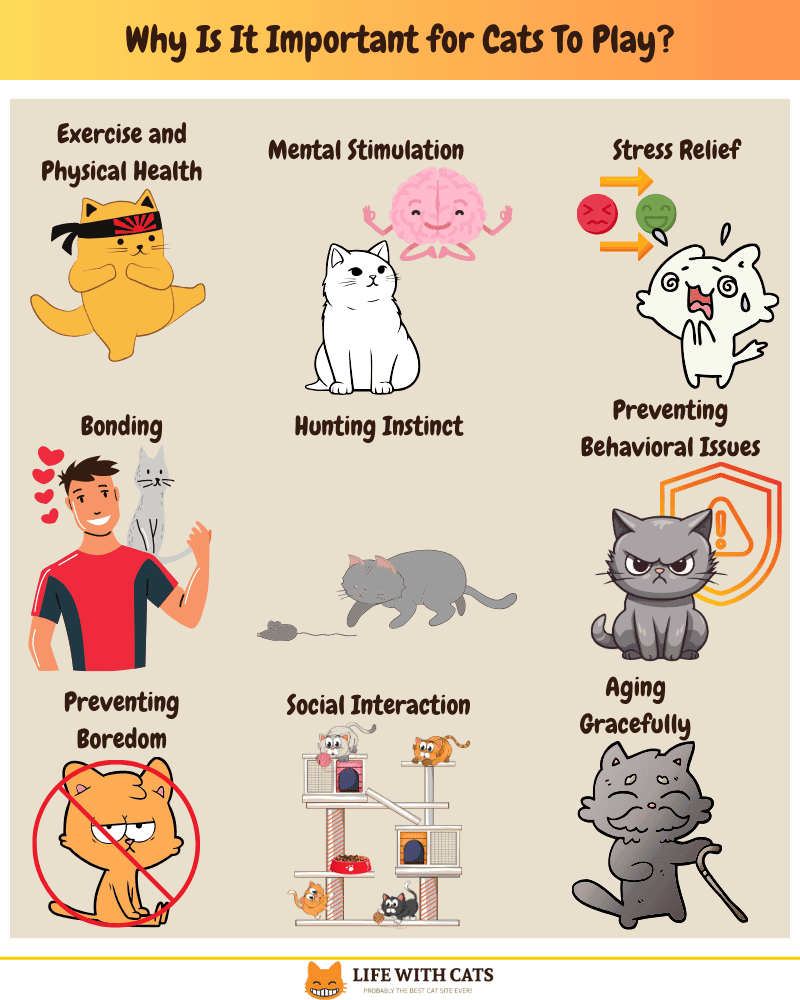
Bringing a new kitten into your home is an exciting experience. Kittens are naturally playful, and their playful antics, filled with pouncing, chasing, and batting, are essential for their mental and physical development. However, these same instincts can sometimes lead to accidental nips and scratches, both for their playmates and for you. It’s a common mistake for owners to inadvertently encourage rough play by using their hands and fingers to entice their kitten. Fortunately, teaching your kitten the rules of playtime is achievable with consistency and patience. This guide will help you navigate playtime to ensure it remains enjoyable and safe for everyone involved.
Hands Are Not Toys: Setting Boundaries Early
A crucial aspect of kitten training is to establish from the outset that hands and fingers are not toys. By avoiding this common pitfall, you can save yourself time and potential injuries. It’s important to remember that your kitten isn’t intentionally trying to harm you; they simply haven’t yet developed the experience or understanding of their own strength and the impact of their actions. Pay close attention to behaviors like batting, chasing, pouncing, stalking, ambushing, and biting. These actions are deeply ingrained in their predatory instincts and are vital for their development. Keeping your kitten active and engaged in appropriate play is a cornerstone of responsible cat ownership. Responsible cat ownership extends beyond just providing food and shelter; it involves understanding and guiding their natural behaviors.
Interpreting Kitten Body Language
During playtime with your kitten, it’s essential to be observant of their body language. Their tails and ears can be significant indicators of their emotional state and potential for aggression. Watch for signs such as a rapidly twitching tail, flattened ears, hissing, vocalizations, or fur standing on end. Dilated pupils, a crouched stance, a frozen posture, and sudden movements can all signal that your kitten needs personal space. If you continue to engage in play that seems to be escalating their agitation, they may resort to biting or scratching in response. Understanding these cues allows you to de-escalate the situation before it becomes problematic.
When Play Gets Rough: Guiding Your Kitten’s Behavior
Playtime can sometimes take on aggressive characteristics, but it’s important to distinguish this from genuine feline aggression. When a kitten bites or scratches during play, owners can provide guidance through several consistent methods:
- Focus on Toys: Ensure all play interactions are directed towards appropriate toys that help your kitten develop their natural skills.
- Verbal Cues: Use a consistent word, such as “no” or “ouch,” when your kitten attempts to bite or scratch you during play. Immediately stop playing and temporarily remove yourself from their vicinity.
- Ignore Undesirable Behavior: When your kitten becomes overly wild, disengage and ignore their behavior. This teaches them that their actions do not elicit the desired response.
- Redirection: Utilize the power of redirection to help your kitten disengage from “attack mode” and shift their focus to a more appropriate activity.
- Provide Scratching Outlets: Invest in high-quality scratching posts and cat trees to provide acceptable outlets for their natural scratching instincts.
- Claw Maintenance: Regularly trim your kitten’s claws to minimize potential harm during play.
If you have only one kitten, be prepared to dedicate more time to teaching and training. Progress may be slower compared to households with multiple kittens, as solitary kittens might require more direct engagement. Kittens that are under-stimulated may exhibit more frequent problematic behaviors. Conversely, overstimulation can be equally detrimental, leading to an irritable, tired, or aggressive cat. It’s vital to observe their body language and provide them with ample space when needed.
Training a Kitten: Understanding Their Affectionate Nips
Your kitten may sometimes pretend to bite or scratch. This behavior can be interpreted as a display of affection, an attempt to communicate, or a bid for attention. It is crucial to never scold or punish your kitten for play-fighting, as this is an innate behavior driven by their genetics. Instead, use these moments as opportunities to engage in interactive play and shower them with affection.
If you do experience a bite or scratch, always clean the wound site thoroughly with soap and water. For further questions regarding kitten training and behavior, please do not hesitate to call us at (916) 624-PETS (7387). Our veterinarians at Rocklin Ranch Veterinary Hospital are always available to provide expert guidance and support.
