
Welcome to the world of feline companionship! If you’re wondering how to house train a cat, you’re in the right place. While cats are often perceived as independent creatures, they are highly intelligent and trainable. This guide will walk you through the process, from understanding their natural instincts to establishing a routine that works for both you and your feline friend. We’ll cover everything you need to know to ensure your cat is comfortable and confident in their designated potty spot.
Understanding Your Cat’s Natural Instincts
Cats are naturally fastidious animals. In the wild, they bury their waste to avoid predators and to keep their living space clean. This instinct is a powerful foundation for house training. The key is to provide an environment that mimics their natural preferences. This means offering a litter box that is clean, accessible, and appealing to them. Factors like the type of litter, the size and location of the box, and even the number of boxes in your home can significantly influence your cat’s willingness to use it.
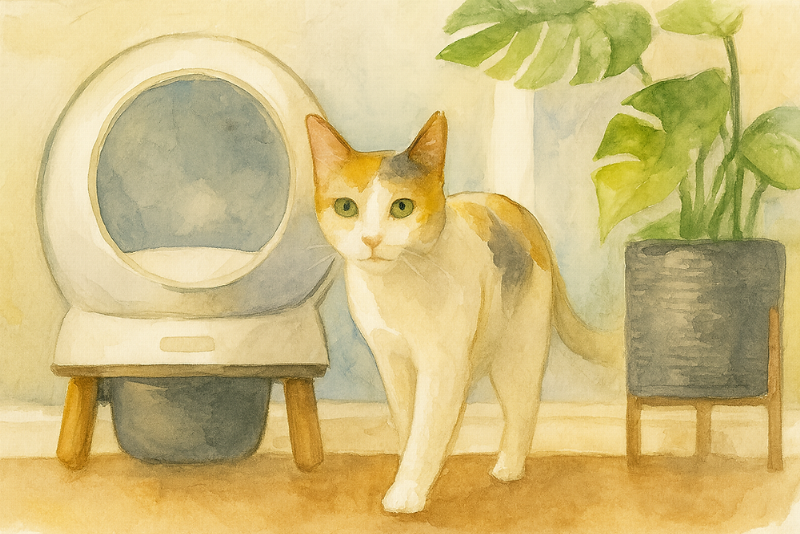 alt-text-cat-using-clean-litter-box
Choosing the Right Litter Box and Litter
The foundation of successful house training lies in selecting the appropriate litter box and litter. Most cats prefer a litter box that is unscented, fine-grained, and has a depth of about 2-3 inches. Avoid boxes with covers or automatic cleaning mechanisms initially, as these can sometimes deter cats. Unscented litter is crucial because strong fragrances can overwhelm a cat’s sensitive nose, making the box unappealing. Opt for clay-based or natural litters. Experimenting with different types might be necessary, as individual cats can have strong preferences.
Litter Box Size and Type
The box should be large enough for your cat to comfortably turn around in. For kittens, a box with lower sides is easier to access. As they grow, you can transition to a larger, standard-sized box. Some cats prefer open-top boxes, while others might tolerate covered ones. It’s often best to start with an open box to see what your cat prefers.
Litter Depth and Texture
Cats generally prefer a soft, sand-like texture. Clumping litter is popular for ease of cleaning, but ensure it’s a fine-grained, unscented variety. The depth of the litter is also important; too little, and they won’t be able to bury their waste effectively; too much, and it might feel unstable.
Establishing a Routine
Consistency is paramount when house training a cat. Establish a regular schedule for placing your cat in their litter box. This is especially important for kittens, who have less bladder control.
Kitten Training Schedule
- After waking up: Take your kitten to the litter box immediately.
- After meals: Kittens often need to eliminate shortly after eating.
- After playtime: Vigorous activity can stimulate the urge to go.
- Before bedtime: A final trip to the box before sleep can prevent accidents.
Gently place your kitten in the box and allow them time to explore and use it. Praise them with a soft voice and a small treat if they are successful. Avoid any force or punishment, as this can create negative associations with the litter box.
Adult Cat Training
If you’re bringing an adult cat into your home, observe their habits. They may already be litter-trained, but a new environment can sometimes cause setbacks. Ensure the litter box is easily accessible and clean. If they have an accident, clean the area thoroughly with an enzymatic cleaner to eliminate odors that might attract them back to the spot.
Litter Box Location
The placement of the litter box is as critical as the box itself. Cats prefer quiet, low-traffic areas where they feel safe and undisturbed.
Ideal Locations
- Quiet corners: Away from busy hallways or noisy appliances.
- Accessible: Easy for your cat to get to, but not in a high-traffic zone.
- Away from food and water: Cats instinctively don’t like to eliminate near their eating areas.
What to Avoid
- Near noisy appliances: Washing machines, dryers, or furnaces can be frightening.
- High-traffic areas: Living rooms or kitchens where there’s constant activity.
- Enclosed or difficult-to-access spots: Basements with steep stairs or closets that are hard to open.
Cleaning and Maintenance
A clean litter box is non-negotiable for successful house training. Cats are meticulous about hygiene, and a dirty box is a common reason for accidents outside the box.
Daily Cleaning
Scoop solid waste and urine clumps at least once a day, preferably twice. This removes odors and keeps the litter appealing.
Weekly Cleaning
Completely empty and wash the litter box with mild soap and water once a week. Avoid harsh chemicals or strong-smelling cleaners, as these can deter your cat. Rinse thoroughly and allow it to dry completely before refilling with fresh litter.
Dealing with Accidents
Accidents happen, especially during the training process. The key is to react calmly and effectively.
Immediate Cleanup
If you witness an accident, gently pick up your cat and place them in the litter box. Clean the soiled area immediately with an enzymatic cleaner. These cleaners break down the odor-causing molecules, preventing your cat from being attracted back to the same spot. Regular household cleaners may mask the smell for humans but not for cats.
Identifying the Cause
Accidents can be a sign of underlying issues:
- Medical problems: Urinary tract infections, kidney issues, or other health concerns can lead to inappropriate elimination. Consult your veterinarian if accidents persist.
- Stress or anxiety: Changes in the household, new pets, or loud noises can cause stress.
- Litter box aversion: The box might be too dirty, too small, in a bad location, or the litter type might be unappealing.
For more detailed guidance on behavioral issues, consider resources on how to litter train an outdoor cat as the principles of creating a positive association with a designated area are similar.
Advanced Litter Training Tips
Multiple Litter Boxes
For multi-cat households, the general rule is one litter box per cat, plus one extra. This reduces competition and ensures each cat has access to a clean box when needed.
Training Aids
Some owners use litter box attractants, but these should be used cautiously and only if recommended by a vet or professional trainer. Natural attractants can sometimes help, but they aren’t a substitute for a clean, well-maintained box. Understanding can u train a cat to use the toilet might seem advanced, but it highlights how adaptable cats can be with the right methods.
Positive Reinforcement
Always reward good behavior. When your cat uses the litter box correctly, offer verbal praise, gentle petting, or a small treat. Positive reinforcement strengthens the desired behavior and builds a positive association with the litter box. This approach is fundamental to understanding how to train cats to use litter box effectively.
Troubleshooting Common Issues
- Cat urinates or defecates near the box but not in it: This could indicate the box is too dirty, too small, or the litter is not to their liking. Try cleaning the box more frequently or changing the litter type.
- Cat avoids the litter box entirely: This is a more serious concern and often points to a medical issue or significant stress. Seek veterinary advice promptly.
- Cat digs or scratches excessively outside the box: This might be a sign they aren’t fully burying their waste and are trying to cover it outside the box, or they may be anxious.
If you’re struggling, remember that patience and consistency are key. Exploring resources like how do i potty train my cat can provide additional strategies.
Conclusion: Building a Harmonious Home
House training a cat is a rewarding process that strengthens the bond between you and your pet. By understanding their natural instincts, providing the right tools, maintaining a consistent routine, and reacting with patience and positive reinforcement, you can ensure your cat becomes a well-adjusted member of your household. Remember, every cat is an individual, and what works for one may require adjustments for another. Embrace the journey, celebrate the successes, and enjoy the companionship of your clean and happy feline friend. Mastering how to train a house cat is about more than just litter box etiquette; it’s about understanding and respecting your cat’s needs.
