
Teaching your horse to stand tied is a fundamental skill, crucial for everything from grooming and tacking up to vet visits and trailering. It’s not just about convenience; it’s about safety for both horse and handler. A well-trained horse that stands patiently tied reduces stress and the risk of accidents. This guide will walk you through the process, emphasizing patience, consistency, and positive reinforcement to build a strong foundation for your horse’s tying etiquette.
Understanding the Importance of Tying
Tying a horse might seem simple, but it involves a complex interplay of trust, communication, and learned behavior. A horse that is comfortable standing tied is one that trusts its handler and understands the expectations. This training is essential for numerous activities:
- Grooming and Bathing: Allows you to thoroughly clean and inspect your horse without them constantly moving.
- Tacking Up: Essential for safely putting on the saddle and bridle.
- Veterinary and Farrier Work: Provides stability for essential health and hoof care.
- Trailering: A prerequisite for safely loading and unloading your horse.
- At Shows or on the Trail: Enables you to leave your horse unattended for short periods with confidence.
Conversely, a horse that struggles with being tied can become a danger. Panic-induced pulling can lead to rope burns, broken equipment, or even serious injury to the horse or anyone nearby. Therefore, proper training is an investment in safety and a cornerstone of good horsemanship.
Preparing for Training
Before you even tie your horse, setting up the right environment and gathering necessary equipment is key. This preparation ensures a smooth and effective training session.
Essential Equipment
- A Sturdy Tie Ring or Post: Ensure it’s securely anchored and at an appropriate height – generally at the horse’s withers level. Avoid using objects that could easily break or pull loose.
- A Strong, Safe Lead Rope: Opt for a rope that is durable but not so heavy that it becomes a hazard if the horse pulls. Avoid ropes with excessive length that could create a dangerous loop.
- A Breakaway Halter or Tie: For initial training, using a halter that is specifically designed to break under extreme pressure can provide an extra layer of safety, especially if you’re concerned about your horse panicking. However, the ultimate goal is for the horse to learn to yield to pressure rather than break free.
- Patience and Positive Reinforcement: This is the most critical component. Understand that this is a learning process, and setbacks are possible.
Choosing the Right Location
Select a quiet, familiar area with minimal distractions. A grooming stall, a quiet corner of the arena, or even a familiar paddock can work well. Avoid areas with high traffic, other animals that might excite your horse, or noisy machinery. The goal is to create a calm environment where your horse can focus on learning.
The Step-by-Step Tying Training Process
This process should be introduced gradually, building confidence and understanding with each step. It’s crucial to work at your horse’s pace and never force them into a situation they find overwhelming.
Step 1: Introducing the Halter and Rope (Groundwork)
- Familiarization: Ensure your horse is comfortable wearing a halter. Practice leading your horse calmly in hand. This builds a foundation of responding to guidance.
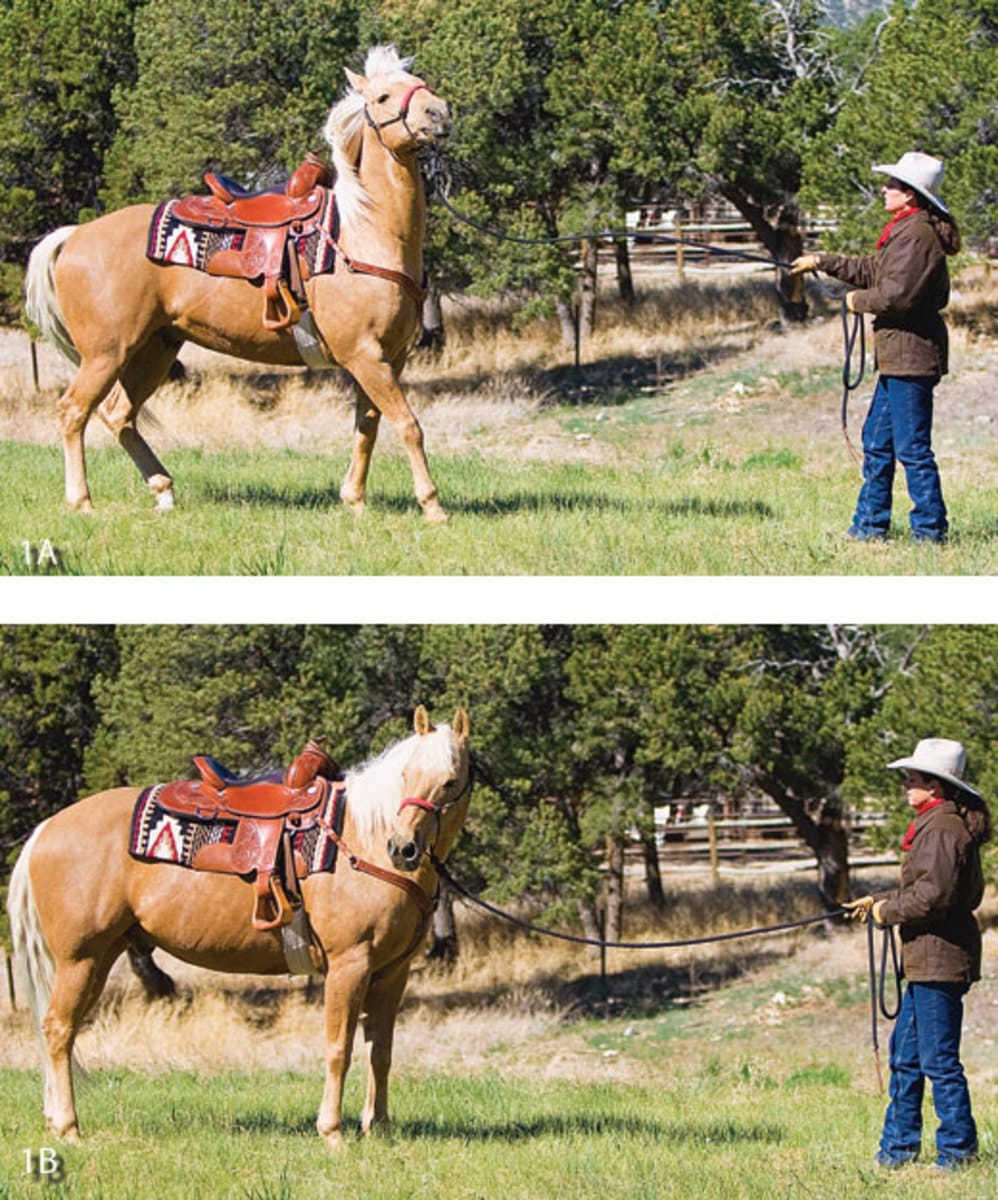
- Gentle Pressure: With the horseɖ, gently take up the slack in the lead rope. Apply slight pressure and then immediately release it when the horse yields even a tiny bit (e.g., takes a step forward, softens their head). This teaches them that yielding to pressure makes the pressure disappear. This principle is foundational for ground work training for horses.
Step 2: Practicing Standing Still (Without Tying)
Before tying, practice having your horse stand still for short periods while you hold the lead rope.
- Short Durations: Ask your horse to stand tied to your hand (holding the lead rope) for just a few seconds.
- Positive Reinforcement: Reward stillness with praise and a gentle scratch. Release the pressure and let them move.
- Gradual Increase: Slowly increase the duration they are asked to stand.
Step 3: The First Tie – Short and Sweet
Now, introduce the actual tie.
- Secure Tie: Tie the lead rope to the sturdy tie ring. Ensure the rope is at a height that prevents the horse from stepping over it or getting tangled. The loop should be short enough that they can’t pull out a foot, but long enough to allow a little natural movement.
- Immediate Release: Ask the horse to stand tied for only a few seconds. Then, untie them.
- Reward: Offer praise and perhaps a treat for standing quietly.
- Repeat: Repeat this process several times in short sessions. The goal is for the horse to associate being tied with a short, positive experience followed by release and reward.
Step 4: Gradually Increasing Duration and Distractions
Once your horse is comfortable with very short ties, you can slowly increase the time they are expected to stand.
- Extended Time: Gradually increase the duration, perhaps to 30 seconds, then a minute, then five minutes. Always aim to untie them before they become agitated or start to pull.
- Introducing Mild Distractions: Once they are reliable in a quiet environment, introduce very mild distractions. This could be you moving around them, dropping a brush, or having another quiet horse nearby.
- Counter-Conditioning: If your horse shows signs of anxiety, go back a step. Make the experience even shorter and more positive. You want them to learn that distractions don’t mean danger or the need to escape. This principle is similar to how one might approach horse trail training where unfamiliar environments require a gradual introduction.
Step 5: Teaching Yielding to Pressure (The Crucial Step)
This is arguably the most important part of tying training. You want your horse to learn to yield to the pressure of the rope rather than panic and pull with all their might.
- Gentle Nudge: While tied, apply a very gentle, steady pressure to the lead rope, as if you were asking them to move forward.
- Wait for Yield: Wait patiently. The moment the horse shifts their weight, takes a step forward, or even softens their head slightly, immediately release the pressure and praise them.
- Consistency is Key: Repeat this many times. The horse will begin to understand that yielding to the pressure (moving forward slightly) makes the pressure disappear. This prevents them from developing a strong pulling habit.
- Avoid Yanking: Never yank or jerk the rope forcefully. This can frighten the horse and make them more resistant. The pressure should be steady and encouraging, not punishing.
Step 6: Practicing with Different Tie Points and Ropes
Once your horse is reliably standing tied in one location, generalize the training.
- Vary Tie Points: Practice tying to different types of sturdy objects – a different post, a hitch rail, or even a trailer tie.
- Different Ropes: Use slightly different lead ropes (of appropriate safety) to ensure they aren’t solely reacting to a specific rope.
- New Environments: Practice in slightly different, but still low-distraction, environments. This helps ensure the training isn’t location-specific. This could be part of preparing for events, much like understanding neverwinter training day equip your horse.
Common Challenges and Solutions
Even with the best intentions, you might encounter some common issues. Here’s how to address them:
- Horse Panics and Pulls Back:
- Solution: Ensure your tie-up is secure but has a safe release mechanism if absolutely necessary (like a baling twine tie). Immediately go back to shorter durations and focus heavily on teaching yielding to pressure. Never punish panic; instead, create positive associations. If the horse breaks free, calmly re-secure them once they’ve settled, and end the session on a positive, simple note. Consider using trained paint horses for sale as they often come with a solid foundation in basic handling.
- Horse Tries to Bite or Strike:
- Solution: This can be a sign of fear or frustration. Ensure you are releasing pressure immediately when they yield. Keep sessions short and positive. If this persists, it might indicate a deeper behavioral issue or a lack of confidence, and professional help may be beneficial.
- Horse Weaves or Rocks:
- Solution: These are often signs of boredom or anxiety. Ensure the horse has adequate turnout and mental stimulation. Keep tying sessions engaging but not overly long. Varying the activities you do while they are tied (grooming, tacking up) can help.
- Horse Tries to Paw:
- Solution: This can also be a sign of impatience or energy. Address it by rewarding stillness. If it becomes a habit, ensure they are not being rewarded for it by inadvertently releasing pressure when they paw.
Safety First: Never Compromise
- Always Use Appropriate Height: Never tie a horse so short they can’t lower their head comfortably, or so long they can get a leg over the rope.
- Secure Tie Points: Ensure your tie rings, posts, or rails are extremely robust and securely anchored.
- Inspect Equipment: Regularly check your halters and lead ropes for wear and tear.
- Supervision: Especially during the initial stages of training, always supervise your horse when tied.
- Know When to Quit: If you or your horse are becoming frustrated, end the session on a positive note and try again later. Pushing a frustrated horse is counterproductive and dangerous.
Conclusion: Building Trust Through Training
Training a horse to stand tied is a journey that requires patience, consistency, and a deep understanding of equine behavior. By breaking down the process into manageable steps, focusing on positive reinforcement, and prioritizing safety, you can build a confident and trustworthy partner. Remember that every horse learns at their own pace. Celebrate small victories, remain calm during challenges, and you’ll soon have a horse that stands quietly and confidently, ready for any task. This foundational skill, much like understanding horse racing hollywood park dynamics, requires careful observation and strategic application.
